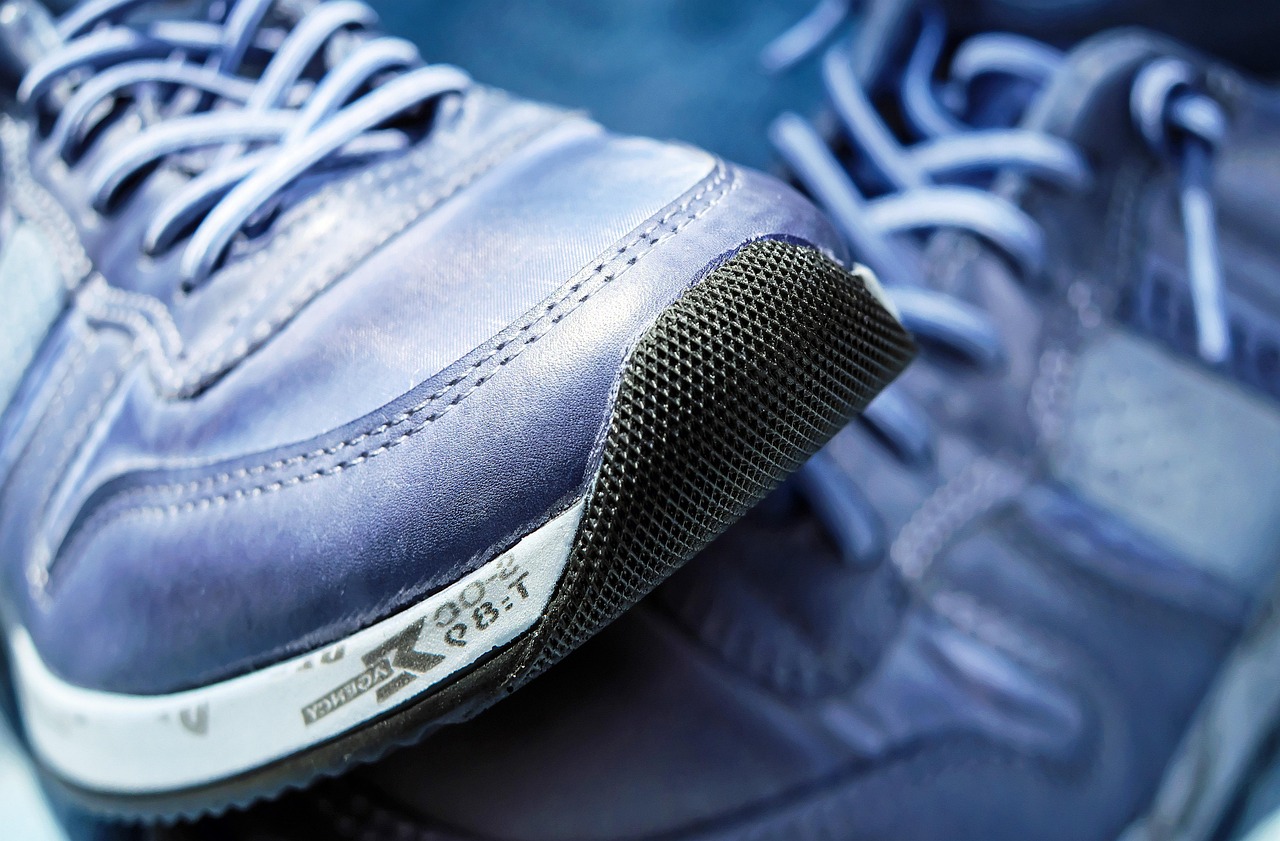

Breathability and Comfort in OCR Shoes
When participating in obstacle course racing (OCR), the importance of proper footwear cannot be overstated. OCR shoes are specifically designed to offer optimal performance across diverse terrains. Breathability in such footwear is essential, as it helps regulate temperature and moisture, allowing athletes to maintain comfort levels during rigorous activities. Breathable materials, such as mesh or specialized synthetic fabrics, promote air circulation, helping to keep feet dry and minimize the risk of blisters or excessive sweating. This factor greatly impacts endurance and overall performance. Additionally, the design of OCR shoes often incorporates lightweight characteristics, ensuring that the shoes do not weigh down racers while navigating various obstacles. Features such as reinforced toe caps and sturdy midsoles provide enhanced protection without compromising comfort. This combination of breathability, lightweight materials, and cushioning ensures that OCR participants can tackle obstacles effectively. Also, shoes with removable insoles can cater to personal preferences for arch support, further enhancing comfort. Therefore, when selecting OCR footwear, considering breathability and comfort can significantly influence performance and overall race experience, ensuring participants can focus on overcoming challenges ahead.
The Role of Material in Comfort
The type of material used in OCR shoes plays a crucial role in determining overall comfort and performance. Soft yet durable fabrics like nylon blends and synthetic leathers are commonly utilized for their lightweight and breathable qualities. These materials allow for quick drying and ventilation, significantly reducing moisture retention. Additionally, the use of 3D-printed materials in the shoe’s structure can provide tailored support that molds to the wearer’s foot shape. This form of customization offers an extraordinary level of comfort compared to traditional manufacturing techniques. Modern OCR shoes often feature EVA (ethylene-vinyl acetate) foam, which provides excellent cushioning while being exceptionally lightweight. The flexibility of this foam ensures that the shoe can adapt to the natural contours of the foot. Moreover, durable outsole designs made with advanced rubber compounds can enhance traction on slippery and uneven surfaces, promoting stability and reducing fatigue during obstacle navigation. Effective traction is essential in OCR to prevent slipping while climbing or running through mud and water. Therefore, the combination of effective material choice in shoes significantly impacts the racer’s comfort and performance.
A significant aspect of OCR footwear involves not just comfort but also the fit of the shoe. A well-fitted shoe prevents movement of the foot within the shoe, which is crucial during rigorous activities. Proper fit ensures that the shoe’s design contours to the shape of the foot, accounting for various widths and heights. For optimal performance, racers should consider options like half sizes or wide fits. This allows athletes to select shoes that offer the best support for their foot shape. Integrated lacing systems can also contribute to achieving a snug fit, allowing adjustment based on personal preferences. Unrestricted movement leads to improved foot stability and reduces the inclination to sustain injuries during competition. If the shoe is too loose, it can lead to blisters, while a shoe that’s too tight can cause discomfort and impede blood circulation. Many brands offer guides to help find the perfect size. Overall, accurate fitting combined with appropriate materials leads to heightened performance, allowing racers to navigate obstacles smoothly without distractions from uncomfortable footwear.
Advanced technologies are increasingly being incorporated into OCR shoe design, further enhancing breathability and comfort. Reflective materials for safety during low-light conditions, integrate seamlessly with breathable fabrics, ensuring both visibility and ventilation. Computational fluid dynamics are also utilized to design better airflow paths within the shoe, enhancing breathability even further. Multi-layer mesh uppers not only allow for excellent air circulation but also provide additional support and stability. Coupled with cushioning systems that absorb impact, these technologies empower runners to tackle rough terrain without discomfort. Specialty insoles like gel or memory foam can be integrated to support unique foot profiles, catering to arch requirements that vary from person to person. Furthermore, innovations like temperature-regulating materials that respond to environmental fluctuations, ensuring that foot temperature remains consistent regardless of external conditions, have gained popularity. These advancements highlight a future where OCR footwear continues to evolve with the latest technology, further enhancing performance and comfort. As athletes push their limits on the course, technologically advanced shoes provide the crucial edge needed for success in OCR.
Importance of Testing and Feedback
Continuous testing and gathering feedback from OCR athletes are vital for the development of effective footwear. Prototypes should be subjected to real-life conditions, allowing athletes to assess comfort, traction, and durability on various surfaces. Feedback helps identify potential issues early, allowing designers to make necessary adjustments to improve overall performance. Collaborations between brands and athletics communities foster a continuous cycle of innovation and improvement. Feedback collections from different types of racers can highlight varying needs, such as those requiring additional ankle support or improved grip for muddy terrains. Focus groups can also analyze various features, ensuring that shoes meet the specific requirements of racers. Performance data recorded during trials can show which features resonate well with the target audience. By keeping athlete input at the forefront of design, brands remain relevant in a highly competitive market. Ensuring that OCR shoes are continuously refined based on athlete experiences allows manufacturers to produce footwear that effectively meets the dynamic needs of competitors. Ultimately, the athlete’s voice is crucial for ensuring comfortable and well-performing footwear options.
The future of footwear technology in obstacle course racing looks promising, with innovations expected to redefine comfort and performance standards. Emerging technologies preview shoes with self-adjusting laces, which adapt to foot shape and movement patterns. This feature optimizes fit over varied terrains and is expected to enhance overall experiences for many racers. Additionally, eco-friendly materials sourced from recycled products are gaining traction, allowing for sustainability within the industry. This trend not only appeals to environmentally-conscious consumers but also contributes to reducing waste traditionally associated with footwear manufacturing. Moreover, research into biomechanical enhancements focuses on integrating features that could further reduce the risk of injury during intensive sports. Shoes equipped with shock-absorbing systems may soon become commonplace, protecting the athlete’s feet and joints. Innovations in outsole design will aim to increase responsiveness and grip, ensuring that participants can navigate obstacles efficiently. As OCR gains popularity, the evolution of footwear technology will enhance not just performance, but also safety and comfort, cementing the significance of well-designed OCR shoes in the sporting community.
In summary, when considering footwear technology in obstacle course racing, focus on breathability and comfort is paramount. With innovative materials and designs that enhance performance, racers can expect improved experiences during competitions. The attributes of suitable OCR shoes go beyond aesthetics, intertwining practical applications of technology and athlete feedback. Effectively combining lightweight materials with breathable designs allows racers to maintain optimum foot temperature and moisture levels—key for comfort during extended periods of activity. The importance of fit, incorporating advancements in design, and continuous testing driven by practical athlete input will shape the future of OCR footwear. This will create shoes that not only meet the performance demands of rigorous race conditions but also address the growing need for comfort and durability. As this sector continues to develop, it is essential for footwear manufacturers to remain in tune with advancements in technology and racer needs. Only then can they produce the next generation of OCR footwear that inspires confidence and elevates performance for every competitor.