
How Sports Massage Can Help Overcome Flexibility Plateaus
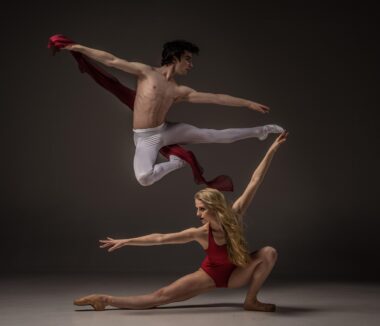
Flexibility is a crucial element of athletic performance and overall physical health. It involves the range of motion available at a joint or group of joints, and improving this can lead to enhanced performance in sports. Athletes often strive to increase their flexibility to avoid injury and enhance their body’s efficiency. One effective method for achieving improved flexibility is through massage therapy, specifically sports massage. This form of bodywork focuses on areas of the body that are overused and stressed from repetitive and often aggressive physical activity. Sports massage promotes flexibility by improving circulation, relaxing tight muscles, and increasing elasticity in the connective tissues, all of which assist in a broader range of motion. Additionally, sports massage techniques may help to identify and alleviate muscular tension, which is essential for overcoming flexibility plateaus that athletes might experience. Integrating sports massage with stretching routines can yield considerable benefits, maximizing the body’s adaptive response to training and competition. This helps athletes in various sports unlock their full potential and maintain a competitive edge.
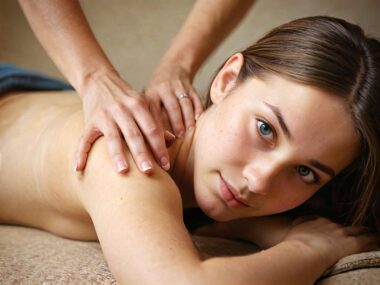
Regular sports massage treatments can play a vital role in enhancing flexibility for both professional athletes and recreational fitness enthusiasts. By working on muscles that are particularly tight or stiff, massage can help to restore a more balanced state to the muscles, making them more pliable. A well-trained sports massage therapist can pinpoint the areas that need attention and apply specific techniques to enhance blood flow. This increased circulation delivers essential nutrients to the muscles, facilitating recovery and flexibility. Furthermore, massage can also activate the body’s relaxation response, which further aids in reducing muscle tension. When the body is relaxed, it can more easily enter into stretched positions without strain. This leads to a more efficient practice of stretching routines, allowing for greater progress in increasing one’s flexibility. Athletes who incorporate massage therapy into their training regimens often notice improvements quite rapidly. Improvements in flexibility not only aid physical performance but also can lead to enhanced recovery post-exercise, ensuring that athletes remain in peak condition and can effectively continue their training without delay.
Understanding the Benefits of Sports Massage
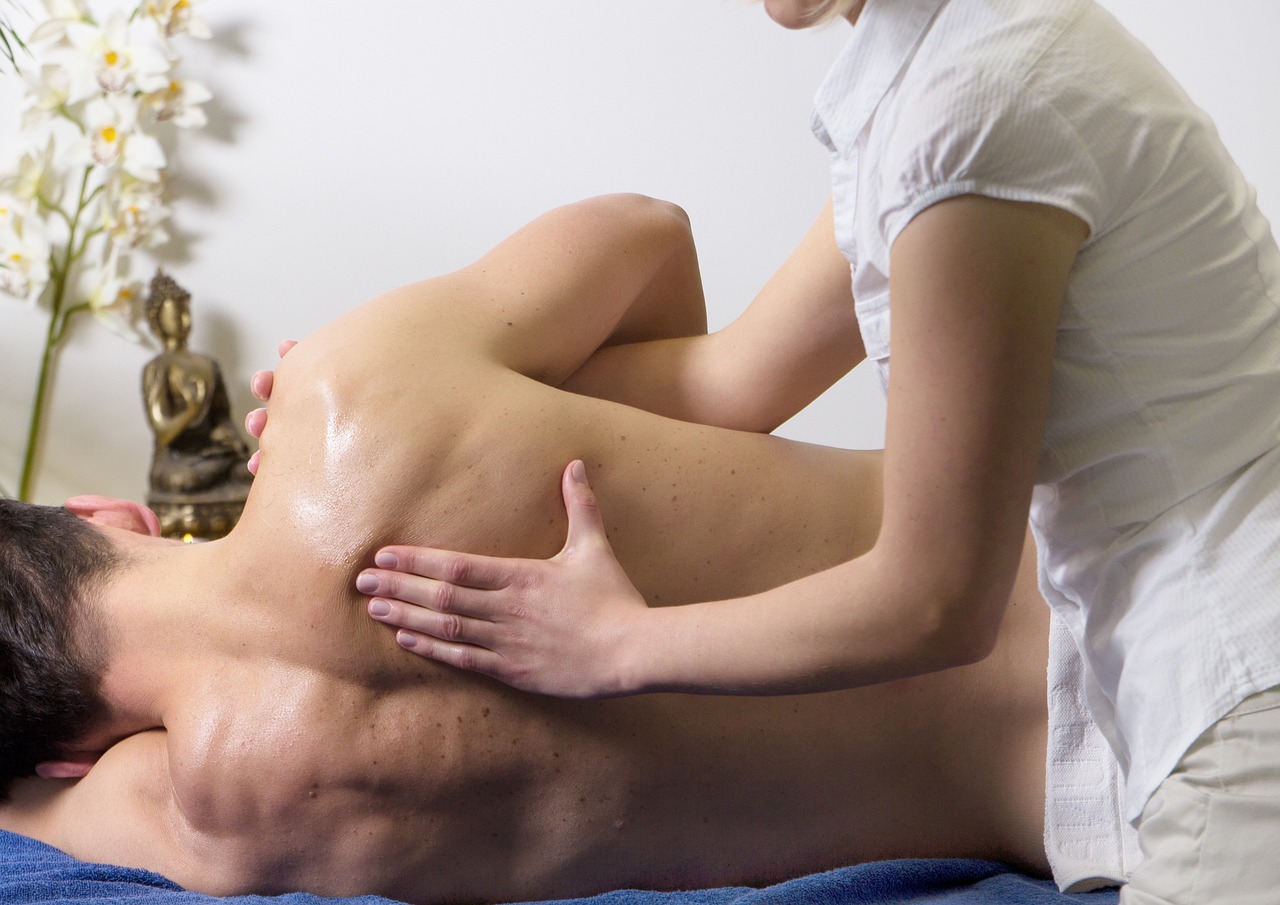
Sports massage therapy utilizes a combination of various techniques tailored to the athlete’s specific needs. These techniques include deep tissue massage, trigger point therapy, and myofascial release, each designed to target specific muscle groups and release tension. A targeted approach during treatment can also accelerate the elimination of metabolic waste and facilitate recovery from micro-injuries sustained during physical activity. When muscles are functioning optimally, flexibility increases as the body can comfortably perform a wider range of motions. Regular sessions can encourage long-term flexibility gains as well. Enhanced flexibility translates to better performance, reducing the risk of injuries, which can often impede an athlete’s progress. By focusing on tight muscle groups, athletes may experience improved posture and alignment as a result. These improvements can create a more fluid body mechanics during sport, allowing for enhanced efficiency and effectiveness. Sports massage, therefore, acts as a preventative measure against injuries, and many athletes turn to this form of therapy not only for recovery but also as a means of preparing their bodies for the demands of their chosen sport.
Proactive athletes often prioritize sports massage to set the stage for improved flexibility. Many engage in sessions before and after significant training sessions or competition to optimize muscle performance. Pre-event sports massages warm up the muscles and prepare them for action, helping to enhance their overall function and flexibility. The increased blood flow during pre-event massages leads to a more elastic muscle state, which directly relates to better performance outcomes. Post-event sessions are equally essential, as they help alleviate muscle soreness and stiffness by flushing out the toxins built up during intense activity. This process not only speeds recovery but also lays the groundwork for a more flexible state moving forward. By ensuring that the muscles remain healthy and responsive, athletes can prevent injuries and maintain high levels of agility and strength. Focusing on improving flexibility allows athletes to maintain a competitive edge while minimizing rehabilitation time due to injuries. This emphasis on recovery and flexibility is becoming increasingly popular among athletes who understand the interconnectedness of these aspects in maximizing sports performance.
Integrating Stretching and Sports Massage
For athletes, a comprehensive approach to enhancing flexibility should also include a structured stretching routine. Stretching is essential for maintaining muscle elasticity and can be further beneficial when combined with sports massage. A well-designed pre-workout stretching regime helps to prepare the muscles for the upcoming physical exertion, while post-workout stretching can aid in muscle recovery. However, when paired with sports massage, these benefits are amplified. As the therapist works to release tightness in the muscles, incorporating stretching techniques after a massage can lead to even greater gains in flexibility. This integrated approach addresses both the immediate and longer-term needs of the muscles, enhancing performance overall. Athletes often find that after receiving massage, their bodies are more willing to engage in deeper stretches that may have previously felt restricted. This can feel liberating and may lead to considerable improvements in range of motion. Ultimately, athletes should view sports massage as a valuable part of their overall flexibility training plan, supporting their physical activity in a holistic manner.
Another significant aspect of flexibility training through sports massage is the psychological benefit that accompanies physical relaxation. Flexibility is not solely a physical challenge; it also requires mental concentration and commitment. The relaxation induced by sports massage can enhance an athlete’s mental state, fostering a more positive attitude toward stretching and training. Many athletes report feeling more connected to their bodies after a massage, promoting mindfulness that leads to better stretching practices. This mental clarity gained through relaxation increases the effectiveness of their training sessions. The combination of enhanced physical flexibility and improved mental focus can provide athletes with a holistic boost in their performance. It’s essential to recognize that physical and mental states impact each other profoundly, and focusing on both will yield better results in training. Worrying about potential injuries often hinders an athlete’s willingness to push their limits. Therefore, addressing both the body’s tension and the mind’s apprehension through sports massage can lead to breaking through flexibility plateaus. This allows athletes to explore their full potential and achieve new personal records.
Conclusion
In conclusion, sports massage provides a multitude of benefits that help mitigate flexibility plateaus for athletes. By relieving muscular tension, improving circulation, and promoting a greater range of motion, sports massage acts as a tool necessary for enhancement in an athlete’s capabilities. With regular incorporation into their routines, athletes can experience significant gains not only in flexibility but also in overall performance. As the body becomes more accustomed to physical demands and retains functionality optimally, the risk of injury decreases drastically. Moreover, the mental and emotional benefits that arise from relaxation transformations cannot be overlooked, as they foster a more committed approach to training. The interconnected action between physical and mental readiness showcases how important a holistic view of flexibility and mobility truly is. Therefore, combining sports massage with a disciplined stretching regimen will yield the best outcomes in achieving remarkable advancements in flexibility. Athletes aiming for peak performance should consider making sports massage an integral part of their training programs as they seek to overcome barriers and continuously improve their performance. Ultimately, flexibility plays a pivotal role in an athletic journey, where sports massage becomes a powerful ally.
In summary, sports massage represents a valuable intervention in enhancing flexibility and overcoming plateaus. Through targeted techniques that alleviate muscle tension and promote recovery, athletes can significantly enhance their performance. This holistic approach encourages not only the body’s physical well-being but also the athlete’s mental engagement with their training objectives. By integrating sports massage into regular training routines and complementing it with stretching, athletes can achieve outstanding results in flexibility and overall athletic capabilities. Enhanced flexibility results in a more agile body, positioning athletes for success in their respective sports. The partnership between massage therapy and traditional training creates a balanced approach that enhances mobility. With the rise of awareness around the benefits of sports massage, athletes are embracing this as essential support for their training regimens. As performance expectations continue to rise, so too does the knowledge about factors fueling success. An athlete’s journey is thus enriched through these practical applications which bridge recovery, flexibility, and mental readiness. For those encountering flexibility plateaus, embracing massage therapy paves the way to achieving new heights and continued excellence.