
Exercise and Gut-Immune Axis Connections
The gut microbiome plays a significant role in regulating immune functions, and exercise has emerged as an important modulator of this relationship. Recent studies suggest that regular physical activity can encourage the growth of beneficial gut bacteria. These bacteria can influence immune responses, enhancing gut barrier integrity and reducing inflammation. Furthermore, the interaction between exercise and the gut microbiome serves as a vital area of research. Exercise has shown to alter the composition of gut microbiota positively, which may impact host health and disease resistance. Factors such as exercise intensity, frequency, and duration can significantly influence these changes within the gut microbiome. For example, moderate aerobic exercise is linked to an increase in microbial diversity. This diversity is crucial for a robust immune system. Additionally, individuals engaging in regular exercise demonstrate improved gut health markers, which have potential implications for overall systemic health. By optimizing gut health through exercise, we can potentially reduce the incidence of various diseases. In this context, understanding the intricate gut-immune axis becomes paramount to promoting health through tailored exercise interventions.
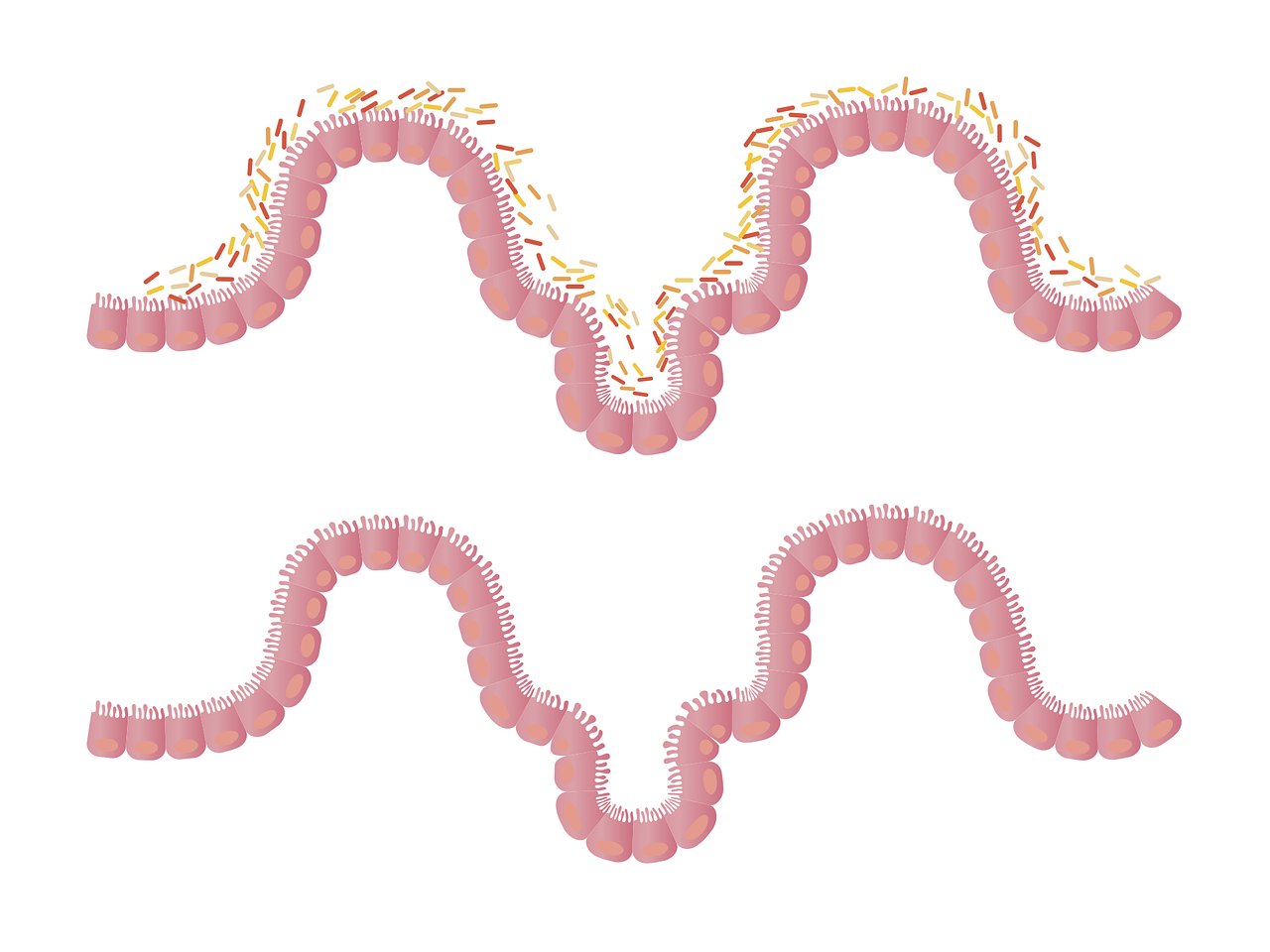
Several mechanisms explain how exercise enhances gut health and immune function. One key factor is the release of certain metabolites produced by gut bacteria during and after exercise. For instance, short-chain fatty acids (SCFAs) have been shown to exert anti-inflammatory effects and strengthen the gut barrier. Moreover, exercise evokes a transient increase in immune cell circulation, aiding in rapid immune response. Regular exercise can lead to more stabilized and diverse gut microbiota composition. This stabilization leads to the prevention of dysbiosis, a condition where harmful bacteria outnumber beneficial strains. Dysbiosis can negatively impact immune function and promote chronic inflammation. Furthermore, physical activity contributes to enhanced gut motility, aiding in overall digestive health and nutrient absorption. The combination of these effects creates an optimal environment for beneficial bacteria to thrive, supporting both local gut immunity and systemic immune health. It’s important to note that the positive outcomes of exercise on gut-immune health may vary among different populations. Tailoring exercise programs according to individual needs will ensure effective and lasting health benefits, making it a crucial consideration in health promotions.
Exercise Types and Their Impact
The type of exercise performed can significantly affect gut health and immune system interactions. Aerobic exercise, such as running or cycling, has been linked with greater improvements in gut microbiota diversity compared to anaerobic exercises like weightlifting. Engaging in moderate-intensity aerobic activities consistently has shown positive changes in gut bacteria profiles. Studies highlight that non-exercisers can see significant improvements in their gut microbiome with a routine addition of aerobic exercise. High-Intensity Interval Training (HIIT) is another form that has neglected but important implications on gut health. HIIT sessions may lead to beneficial bacterial growth, enhancing the gut-immune axis. Additionally, prolonged sedentary behaviors can counteract these positive outcomes, highlighting the need for regular movement. Integrating different forms of exercise into a weekly routine can maximize the benefits for gut health. Individual preferences and health conditions should be considered when recommending exercise programs. Understanding each exercise’s unique benefits helps frame effective lifestyle interventions promoting gut health. Robust knowledge about this area can lead to better health recommendations and public health policies supporting an active lifestyle.
In addition to physical activity, nutrition plays a pivotal role in the gut-immune axis. Diet and exercise intersect to enhance immune function synergistically. Consuming a diet rich in prebiotics and probiotics alongside regular exercise may further enhance gut microbiota. Foods like yogurt, kefir, fiber-rich fruits, and vegetables provide essential nutrients and substrates that gut bacteria thrive on. Polyphenol-rich foods are also essential, as they can reduce inflammation and promote microbial growth. Together, diet and exercise interventions show promise in establishing a favorable gut environment supportive of the immune system. Regular consumption of such foods can amplify the benefits of exercise on gut health. Research indicates that combining these two health strategies may provide a greater protective effect against infections and chronic illnesses. Moreover, addressing dietary habits is critical for those beginning an exercise regimen, as this combination can significantly boost immune resilience. Future research should further explore the synergistic effects of diet and exercise on gut health and immunity. This area may yield groundbreaking findings that could inform health guidelines and recommendations.
Implications for Public Health
Understanding the connections between exercise, gut health, and immune function has significant implications for public health initiatives. Encouraging an active lifestyle alongside healthy eating practices could reduce healthcare burdens due to lifestyle diseases. Programs promoting regular exercise routines can lead to improved gastrointestinal health outcomes and minimize the risk of chronic inflammatory diseases. Schools, workplaces, and community programs can leverage this knowledge to structure their wellness initiatives effectively. Integrative approaches encompassing both exercise and nutritional education could yield an empowered population armed with tools for healthier living. Health professionals should also advocate for these connections while treating patients with various health conditions. Strategies like these can foster healthier communities, lead to lower healthcare costs, and improve quality of life. Further research will be necessary to quantify these benefits and develop evidence-based guidelines. Community outreach programs will greatly benefit from emphasizing the importance of the gut-immune axis connectivity when addressing public health challenges. As we continue to advocate for physical activity, we should also highlight the need for comprehensive lifestyle modifications that include diet.
In conclusion, the relationship between exercise and the gut-immune axis is multifaceted. Regular physical activity enhances gut microbiota diversity, which positively influences the immune system. As we better understand this connection, it becomes apparent that emphasizing physical activity alone may be insufficient. A holistic approach incorporating both exercise and nutrition is crucial for achieving optimal health outcomes. Researchers and health practitioners must focus on this dynamic interplay to guide future interventions. Engaging in a variety of exercises tailored to individual needs and preferences can foster adherence and enjoyment, ultimately enhancing gut health. The growing body of evidence illuminating this relationship signifies the importance of addressing fitness in conjunction with dietary habits. Participation in community fitness programs and dietary workshops can prepare individuals to embrace a healthier lifestyle. Addressing these factors collectively may yield significant advancements in public health. Encouraging regular exercise alongside a balanced diet presents a viable strategy for improving resilience against diseases. As these connections are uncovered, ongoing education and accessibility to resources will ensure populations can take advantage of the benefits that arise from motivated lifestyle changes.
The future of exercise physiology and its relationship with gut health holds tremendous potential. As more evidence emerges, we can explore personalized exercise interventions that consider individual microbiota profiles. This tailored approach could enhance efficacy and satisfaction, leading to sustained lifestyle changes. Such advancements in exercise prescriptions could elevate public health strategies, establishing new standards in preventive care. The integration of microbiome research into exercise science may also pave the way for future clinical applications. Additionally, exploring the interactions between various types of exercises and unique dietary patterns will enrich our understanding. Gathering data on these connections will facilitate the development of innovative health products and services. By fostering a culture of health awareness rooted in the gut-immune axis, both individuals and communities can thrive. The implications of these findings extend past individual health; they can influence global health patterns. Continuous research in this field may illuminate new frontiers in health and performance. In striving for improved health outcomes, it’s critical to adapt our understanding of exercise physiology, embracing the innovations that link lifestyle to our gut and immune systems.
By promoting exercise as a fundamental component of wellness, we can significantly impact gut health and immune function. In doing so, we create a comprehensive approach to health that prioritizes both physical activity and nutrition. This dual focus can cultivate healthier communities, ultimately reducing chronic diseases tied to lifestyles. Understanding the science behind exercise physiology will empower individuals to make informed choices. As this field evolves, regular education on the gut-immune axis and its significance will be indispensable. Community health initiatives that incorporate exercise and nutritional strategies will likely yield the best long-term results. Therefore, public health officials and researchers should collaboratively design programs that address these interconnected aspects of health. As we embrace a more holistic perspective, we will promote better health outcomes across populations. Celebrating the links between our lifestyle choices and optimal health will motivate others toward change. In essence, the synergy between exercise and gut health paves the way for innovative preventive measures. Individuals taking charge of their fitness and nutrition can foster well-being, resilience, and healthier living for future generations.