
The Connection Between Hydration and Immune Function in Athletes
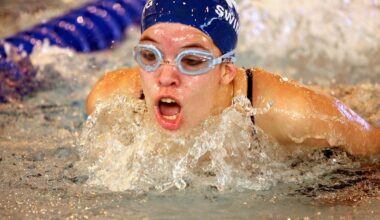
Hydration plays a vital role in supporting the immune function of athletes, ensuring optimal performance and recovery. Athletes often experience increased stress and physical demand, making adequate hydration even more critical. When the body is well-hydrated, it facilitates better circulation, enabling immune cells to travel effectively throughout the system. Furthermore, hydration impacts the production of lymph, which is necessary for transporting nutrients and removing waste. In contrast, dehydration can lead to reduced immune function, increasing the risk of illness and infection. Staying hydrated helps maintain effective cellular function, crucial during high-intensity training sessions. Additionally, electrolytes lost through sweat must be replenished to remain hydrated and bolster immune response. Therefore, a robust hydration strategy, ensuring athletes consume appropriate fluids and electrolytes, is essential. They should always monitor their hydration levels, especially in extreme environments or during extensive physical activities. Consuming fluids before, during, and after exercise can significantly influence health outcomes. Overall, hydration isn’t just about quenching thirst; it is a crucial pillar for athletes aiming to enhance both performance and immune health.
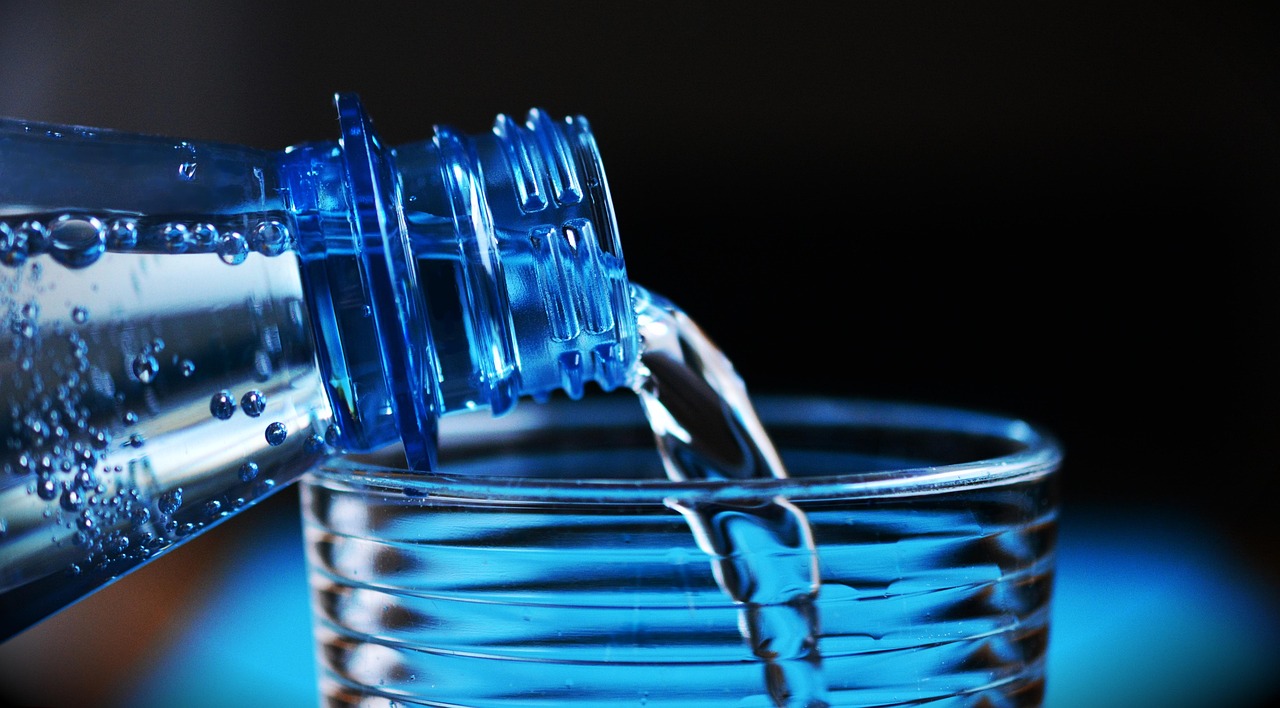
Several factors influence how much water athletes should consume daily. Factors such as climate, the type and intensity of exercise, and individual body needs must all be considered. During intense workouts, increased perspiration can lead to significant fluid loss, affecting hydration levels. Hydration needs can also vary based on the environment, with hot and humid conditions necessitating higher water intake to compensate for sweat loss. Moreover, individual differences in metabolism and physical characteristics, such as weight, can influence hydration requirements. To assess hydration status effectively, athletes can monitor the color of their urine. Pale yellow indicates proper hydration levels, while dark urine is a signal for increased fluid consumption. In addition to plain water, athletes can incorporate other hydrating options such as electrolyte drinks and sports beverages to replenish lost minerals. This approach not only promotes hydration but also enhances endurance, ultimately supporting immune function. Proper hydration combined with adequate nutrition and sleep can optimize overall health and athletic performance. Thus, paying attention to hydration is essential for every athlete seeking to maximize their physical capabilities.
Hydration Strategies for Athletes
Implementing effective hydration strategies is crucial for athletes aiming to maintain their health and performance. One approach involves creating a personalized hydration plan tailored to individual needs and activity levels. Athletes should calculate their sweat rates during training sessions to determine how much fluid they lose in various conditions. Knowing this rate enables them to develop a drinking schedule that aligns with their needs. Additionally, hydration monitoring should occur before, during, and after exercise, ensuring that athletes replenish lost fluids consistently. Consuming small amounts of fluids regularly instead of larger volumes less frequently proves more effective. Moreover, incorporating a variety of fluid sources, such as water, natural juices, and electrolyte sports drinks, can help maintain hydration levels. Maintaining balance is also important, as excessive fluid intake may lead to hyponatremia, a dangerous condition caused by diluted sodium levels in the blood. Athletes should pay special attention to pre- and post-exercise hydration, as this significantly impacts recovery and immune functioning. Staying hydrated not only prevents performance decline but also safeguards the immune system during intense training sessions and competitions.
The Impact of Dehydration on Performance
Understanding the detrimental effect of dehydration on athletic performance is essential for any athlete. Dehydration not only leads to a decline in physical capabilities but can also hinder immune response, further complicating an athlete’s health. Even a small reduction in body water can impair endurance, strength, and overall performance. Symptoms of dehydration may include fatigue, dizziness, and confusion, compromising focus and reaction time. This is particularly concerning during competitions, where peak performance is critical. Moreover, dehydration can lead to increased core body temperature, elevating the risk of heat-related illnesses which directly affect athletic performance. Impaired immune function due to dehydration can also lead to increased susceptibility to infections and illnesses, potentially sidelining athletes during crucial training periods. Athletes who experience repeated bouts of dehydration are more likely to suffer from chronic health issues, affecting both short-term and long-term performance capabilities. Therefore, managing hydration levels effectively is paramount for athletes. Regularly assessing fluid needs and implementing hydration strategies can significantly enhance both performance outcomes and overall health.
In conclusion, the connection between hydration and immune function in athletes is clear and significant. Staying adequately hydrated is essential not only for optimal athletic performance but also for maintaining a well-functioning immune system. Proper hydration supports cellular functions, circulation, and nutrient transportation, all crucial elements in keeping athletes healthy and performing at their best. Given the demands athletes face in their training and competition environments, prioritizing hydration cannot be overlooked. The strategies mentioned above provide a roadmap for athletes to follow, ensuring they meet their individual hydration needs effectively. By incorporating proper hydration practices along with a nutrient-rich diet, athletes set themselves up for success in their performance endeavors. It’s crucial that athletes remain aware of their hydration status and make adjustments as necessary, particularly during periods of rigorous training. By doing so, they can not only safeguard against dehydration-related performance declines but also promote a stronger immune response. Ultimately, adopting a proactive approach to hydration and wellness will empower athletes to achieve their goals and enjoy long-lasting health benefits.
Overall, the emphasis on hydration and immune function should be a central theme for all athletes, regardless of their level or sport. Education on the importance of fluid intake, coupled with actionable hydration strategies, can help athletes enhance their performance and safeguard their health. Coaches and trainers play a vital role in promoting these practices, ensuring that athletes are informed and motivated to prioritize hydration in their routines. By fostering a culture of awareness around hydration, athletic organizations can significantly contribute to enhancing the longevity and success of their athletes. Future research in this area is essential to identify additional hydration strategies and their direct impact on immune functioning. Given that hydration needs may vary widely among individuals, understanding these differences can help develop more effective guidelines tailored to specific sports and training conditions. Therefore, collaboration among sports nutritionists, coaches, and athletes will be vital in advancing hydration strategies. To conclude, hydration stands as a pillar of health and performance; thus, athletes must continually evaluate their fluid intake to ensure optimal functioning.