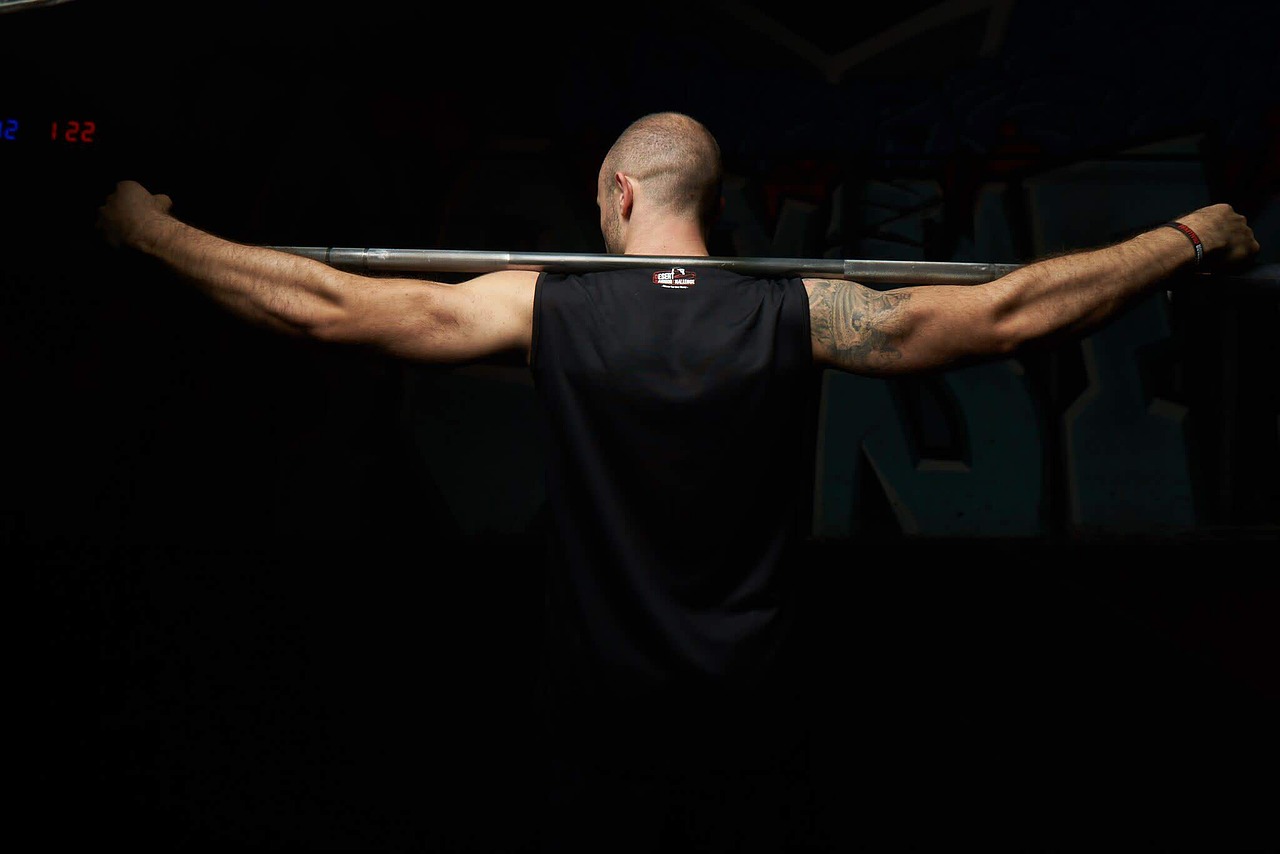

Supersets for Powerlifting Moves to Save Time at Home
In the world of strength training, supersets are an excellent strategy to optimize your workout efficiency, especially for powerlifting. When time is limited, incorporating supersets allows you to combine two exercises performed back-to-back without rest, enhancing your workout volume and intensity. This method not only saves time but also contributes to muscle endurance and growth. When targeting powerlifting moves, it’s crucial to formulate supersets that complement each other effectively. For instance, pairing bench press and bent-over rows can be beneficial. The former primarily develops the chest while using the shoulders and triceps. In contrast, the latter targets the back muscles, creating a balanced approach that helps engage multiple muscle groups efficiently. When planning your workouts, it’s essential to consider the order of exercises, recovery time, and the maximum effort needed for each lift. This way, it’s possible to maintain high performance across all sets. Additionally, focusing on form without sacrificing weight can enhance strength gains, crucial for competitive powerlifters. Consider adding variety to your routine to keep workouts engaging and to test your limits regularly.
Incorporating supersets in powerlifting routines can greatly improve overall training outcomes. Many lifters often struggle with time constraints, leaving them unable to complete a full workout. Supersets can help alleviate this problem by minimizing rest periods between exercises. Therefore, incorporating intelligent pairings that emphasize both push and pull movements can be highly effective. For example, performing squats followed by deadlifts can challenge the body while ensuring an adequate recovery for each lift. The key is to manage fatigue levels efficiently while still allowing time for muscle recovery between sets. It’s a balancing act that requires awareness of your limits and strength levels. Many lifters have found success with circuits that alternate between varying intensities and rep ranges. This method not only emphasizes muscle growth but also aids cardiovascular conditioning. Remember, as powerlifting is focused on strength, maintaining that strength during supersets is critical. To get the most from your workouts, think about also incorporating core exercises that can serve as stabilizers during major lifts, enhancing overall performance.
When implementing supersets in your powerlifting workouts, be mindful of your warm-up. It’s essential to prepare your muscles, joints, and mind for the heavy lifts involved in powerlifting. Warming up effectively not only primes the body but also reduces the risk of injury during intense sessions. Dynamic stretches, foam rolling, and lighter sets of the main lifts should comprise your warm-up. Once you’re ready to begin performing supersets, consider the order of muscle engagement. For instance, alternating between a heavy lift like the deadlift and a lighter assistance exercise, such as hip thrusts, can be immensely beneficial. This approach not only allows an overall workout in less time but also ensures you’re hitting multiple muscle groups effectively. Additionally, incorporating adequate nutrition before and after workouts is crucial for optimal performance and recovery. Fueling your body with nutrient-dense foods can replenish your energy stores and promote muscle repair. Along with proper warm-up and nutrition, staying consistent with your workout regimen will yield the best results and significant strength enhancements.
Balancing Strength and Endurance
An essential aspect of integrating supersets into powerlifting is understanding the balance between strength and endurance. As powerlifters, focusing primarily on maximum strength can lead to imbalances and decreased muscular endurance. By adding supersets that challenge both aspects, you can build a more well-rounded physique. A prime example is to pair a heavy squat with lighter dumbbell lunges, focusing on form and adding endurance to the legs. Doing so increases your overall volume while allowing for necessary strength development. Additionally, targeting opposing muscle groups while engaging in supersets enables your body to recover partially while the other side is working. This principle allows you to work harder for longer periods without extending your time in the gym significantly. Super-setting also lends itself well to skill adaptation. As you push through fatigue, you adapt faster to heavy weights and improve your lifting techniques by increasing your training frequency. Finding the right superset combination can be challenging, but experimentation will yield the best results over time.
Another important factor in implementing supersets into your routines is to keep track of your progress. Powerlifting relies on measured results and tracking your gains is essential for improvement. Recording the weights, reps, and sets in a workout journal allows for better planning in subsequent sessions. Since supersets can complicate your traditional set patterns, staying organized helps you avoid burnout and overtraining. One strategy is to utilize off days or lighter workout days to assess your progress and adjust your lifts accordingly. Data-driven tracking can also help determine when it’s time to update your program or incorporate new moves. Along with progress tracking, consider incorporating a deload week periodically to better facilitate recovery while staying dedicated to your goals. Remember that rest is as vital as the lifting itself, allowing your muscles adequate time to repair and grow stronger. Deloads are distinct periods of reduced volume or intensity, allowing the body to reset while maintaining momentum. By using supersets smartly and tracking progress appropriately, your powerlifting journey will achieve more sustainable long-term results.
Your last key to successful powerlifting workouts using supersets is the art of recovery. While on the journey to increased strength, focusing on post-workout recovery is vital. Emphasizing proper hydration, nutrition, and rest days will directly influence muscle growth and performance. Immediately after workouts, refuel with a mix of protein and carbohydrates, aiding muscle repair and growth. Additionally, staying hydrated during and post-exercise ensures effective nutrient transport and recovery. Furthermore, incorporating mobility work, stretching, and foam rolling can minimize DOMS (Delayed Onset Muscle Soreness) post-training. These practices facilitate blood flow to recover faster and allow for more intense future sessions. Also, consider integrating active recovery sessions into your weekly practice. Rest days do not mean total inactivity; light activities such as walking, yoga, or swimming can enhance recovery. Just a few sessions a week of active recovery can significantly influence your performance and perception during heavy lifting days. In combining all these strategies, supersets can fit into your powerlifting program seamlessly while providing great results, leading you closer to your lifting ambitions.
In summation, supersets are a powerful tool for anyone looking to maximize their powerlifting workouts while saving time at home. By incorporating them effectively, you can optimize your strength training regimen to yield impressive results. Remember to pair exercises smartly, allowing for balanced muscle engagement while managing fatigue. Along with the right nutrition and hydration, recovery should not be overlooked as it directly supports your lifting goals. As you build your knowledge and experience with supersets in powerlifting, exploring new combinations will keep your regimen fresh and exciting. Lastly, always listen to your body, adapting your approach based on individual needs and capacities. Emphasis on adaptability throughout this process will boost your performance. Whether you are training for competitions or pursuing personal fitness goals, this approach can pave the way to significant strength improvements. The journey ahead will be challenging, but embracing supersets can make your time efficient, enjoyable, and effective. Now, it’s time to rise up, challenge yourself, and embody the spirit of powerlifting while achieving your goals!