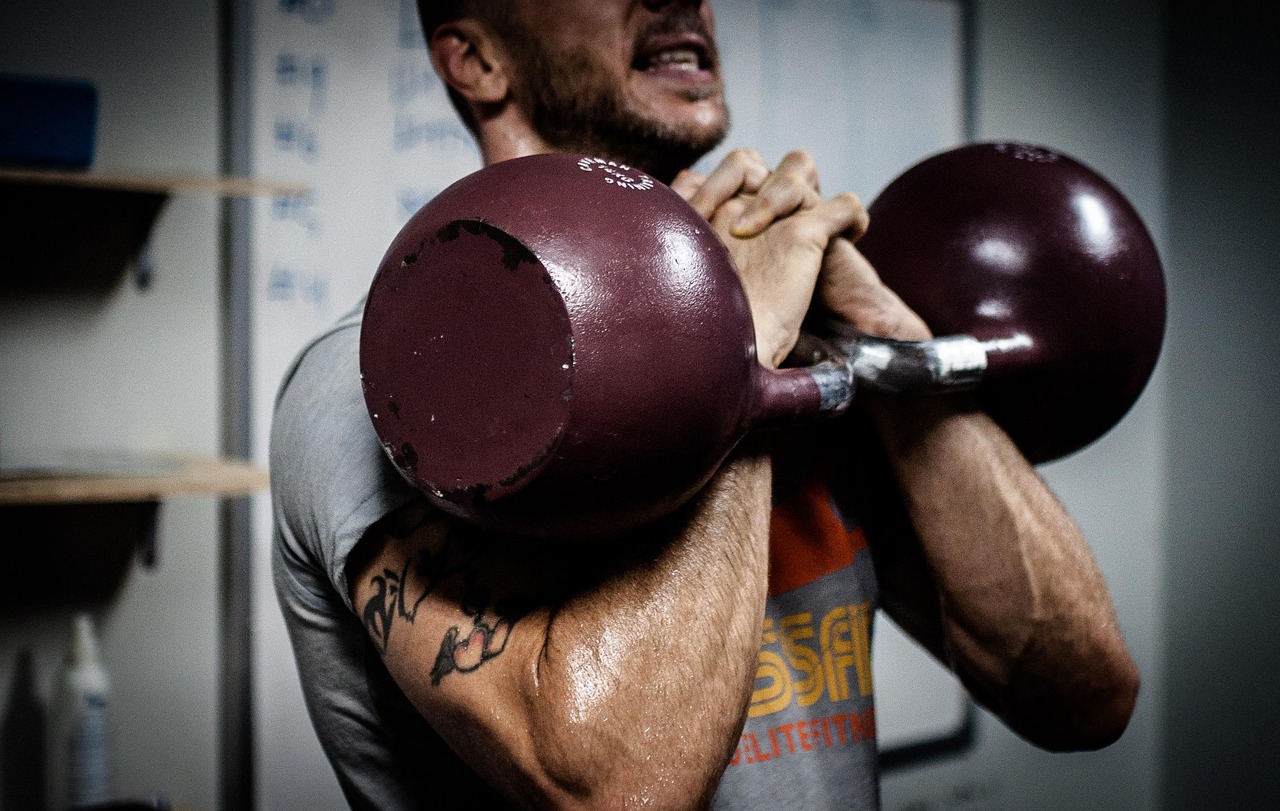

Kettlebell Workouts for Explosive Power in Boxing
Kettlebell workouts have gained popularity in boxing fitness due to their effectiveness in developing explosive power. Boxers need to generate force quickly to land powerful punches, and the dynamic movements constructed with kettlebells can mirror this need. One excellent exercise is the kettlebell swing, which engages the hips, glutes, and core. When performed correctly, it can enhance the boxer’s ability to deliver powerful blows while maintaining balance. Kettlebell cleans and snatches also work the same muscle groups, promoting shoulder stability and coordination essential for boxing. Additionally, kettlebell workouts improve grip strength, a crucial factor in maintaining control during fights. Incorporating various kettlebell exercises can not only build strength but also improve endurance. Flexibility is important in boxing as well, and kettlebell movements that involve lunges and squats can contribute to improved mobility, allowing for greater range of motion. The versatility of kettlebells provides boxers with an extensive array of workouts to incorporate into their training regimen. This diversity keeps training engaging while effectively targeting the necessary muscle groups for optimal performance in the ring. Lastly, commitment to a consistent kettlebell routine benefits both fitness and boxing skills.
Completing kettlebell workouts specifically designed for boxing can significantly enhance your performance. Each movement mimics the explosive muscle contractions you use in a fight. For instance, by performing kettlebell push presses, you engage the shoulders, core, and legs in a unified motion, helping you generate more punch power. The programming frequency for these workouts can vary, but integrating them three times weekly ensures ample recovery while maintaining intensity. Prioritizing movement quality over quantity is crucial; proper form minimizes the risk of injuries while maximizing strength gains. Beginners may start with lighter weights to master the technique before progressing to heavier kettlebells. Incorporating supersets can also increase the workout’s intensity, allowing for greater challenges in less time. For example, pairing kettlebell swings with push-ups can enhance cardiovascular endurance alongside strength gains. It’s also beneficial to track your progress by logging the weights used and the number of reps completed. Employing visual aids, such as instructional videos, can ensure you perform each kettlebell movement correctly. Remember to incorporate adequate warm-up and cooldown sessions to prevent injuries. Overall, kettlebell training compliments boxing perfectly, making it a popular cross-training choice.
Kettlebell workouts not only enhance power but also improve your conditioning. The combination of weight training with cardiovascular conditioning is crucial for boxers aiming to maintain stamina throughout rounds. High-Intensity Interval Training (HIIT) is an effective method when integrating kettlebell exercises. For instance, performing alternating swings followed by high knees creates an effective circuit burning calories while building strength. This workout keeps the heart rate elevated, mimicking the pacing of an actual bout. Pairing strength exercises with more explosive movements helps develop fast-twitch muscle fibers, which are vital for explosive movements like punching. Also, workouts can be tailored to personal goals; lighter kettlebells can focus on speed and agility, while heavier weights emphasize strength building. Furthermore, participating in kettlebell classes either online or at local gyms can provide a structured approach to implementing these exercises safely. A certified trainer can guide proper form while also integrating boxing techniques into workouts. Additionally, the community aspect of group classes adds motivation, encouraging deeper commitment. If finding a class is challenging, consider pairing with a workout buddy to hold each other accountable. Overall, the versatility of kettlebell workouts makes them a powerful tool for any boxer.
The Benefits of Kettlebell Workouts for Boxers
There are numerous benefits to incorporating kettlebell training into boxing routines. First and foremost, kettlebell workouts are known for improving overall strength while enhancing core stability, which is crucial for any boxer. A strong core allows for better punch delivery and can even help prevent injuries during fights. Additionally, kettlebell exercises frequently incorporate multi-joint movements that simulate the full-body effort exerted while boxing. This adaptability makes kettlebells practical for replicating the physical demands of the sport. Furthermore, the portable nature of kettlebells enables boxers to execute workouts virtually anywhere. Whether at home, outdoors, or in the gym, kettlebells provide an efficient solution to ensure training happens regularly. Efficiency is also important; many kettlebell workouts can be completed in under thirty minutes without sacrificing intensity or results. This efficiency particularly caters to the busy schedules of professional and amateur boxers alike. Plus, the appeal of kettlebell workouts extends to fitness enthusiasts outside of boxing. Those seeking improved fitness can also benefit from these workouts, enhancing their overall athleticism and physical performance. Ultimately, integrating kettlebell training into boxing provides multifaceted advantages.
To maximize the effectiveness of kettlebell workouts, emphasize proper technique during exercises. It is imperative to warm up effectively, preparing your body for the high-intensity movements. Engaging in dynamic stretching and mobility drills prior to lifting helps prevent injuries. Begin with foundational exercises such as goblet squats, deadlifts, and swings, gradually increasing complexity as proficiency develops. High-volume training with kettlebells can foster a sense of motor skills necessary for boxing. This improvement heightens reaction times and increases hand-eye coordination. Form and functionality should never be sacrificed for weight; focusing on technique ensures longevity in training while yielding better outcomes. Periodizing your kettlebell training can help prevent plateauing, keeping workouts fresh and challenging. Deliberately varying volume and intensity over weeks or months promotes continuous improvement. Alongside kettlebell training, establishing good nutritional habits can support your boxing performances. Diet plays a vital role in recovery and energy levels, thus affecting workout efficacy. Consuming adequate protein and carbohydrates ensures you recover properly between training sessions. Remember to balance your kettlebell routines with traditional boxing training; ensuring skills are practiced alongside strength development.
Integrating Kettlebell Workouts into Your Boxing Routine
Successful integration of kettlebell workouts into a boxing training program can transmute performance dramatically. Establish a weekly schedule where kettlebell sessions complement existing boxing drills, focusing on different muscle groups. Incorporating kettlebells on alternate days allows the body recovery time while still maintaining the intensity of training. When designing your routine, consider pairing kettlebell exercises that focus on compound movements alongside traditional boxing workouts. For example, utilize kettlebell swings before shadowboxing or footwork drills. This sequencing primes your body for boxing execution while simultaneously building explosive strength. Exploring kettlebell circuits that emphasize conditioning can replace traditional cardio sessions. Integrating kettlebell snatches or cleans into a circuit with jumping jacks or burpees can enhance aerobic capacity and expenditure. Cycling through various exercise formats, such as AMRAP (As Many Rounds As Possible) or EMOM (Every Minute On the Minute) can increase variety and keep motivation high. As you adapt to your training, make necessary adjustments based on experience and feedback. Ultimately, effective implementation of kettlebell workouts leads to improved overall athletic performance, keeping boxers competitive in their training classes.
The journey of mastering kettlebell workouts benefits from trackable progress. Monitoring lifts routinely allows boxers to observe strength gains which serve as motivation. Additionally, maintaining a training journal where you document the weights used, repetitions completed, and new workouts can provide clarity on effective routines. Beyond numerical progression, incorporating flexibility and mobility assessments can shape your practice. As you advance in your kettlebell workouts, recognizing areas that require more focus such as mobility, can help guide your subsequent sessions. Form-testing with a mirror or recording yourself can help maintain quality throughout your training. As you find your rhythm, periodically re-evaluate your goals, ensuring alignment with your boxing aspirations. Moreover, consider competing in kettlebell competitions to challenge yourself and connect with others in the community. These events increase accountability and motivation, driving even further improvement. As you progress, connecting with experienced kettlebell practitioners or coaches can provide valuable insights. Alongside mental resilience gained from challenging routines, the combination of physical power and cardio endurance gained through kettlebells ensures well-rounded fitness for boxing. Dedication to such training will undoubtedly lead to enhanced power output within the boxing ring.
Conclusion: Embrace Kettlebell Training
In conclusion, kettlebell workouts prove invaluable for boxing fitness and explosive power development. Their diverse functional application, ability to enhance strength, speed, agility, and overall fitness provides a strong foundation for any boxing program. Boxers who commit to kettlebell training ultimately gain an edge over opponents, enriching their training experience while improving their skills. The versatility of kettlebells makes them an outstanding addition to a boxer’s toolkit, catering to individuals at all performance levels. The community aspect of kettlebell training further fosters motivation, leading participants to push the limits of their fitness. So, if you are seeking to amplify your boxing performance and find an effective training modality, kettlebell workouts are well worth exploring. Make a point to integrate them into your routine while also being mindful of proper technique for sustained progress. Consistent, focused kettlebell training yields immense benefits not only for power but also overall well-being. Remember, boxing and kettlebell conditioning can work synergistically to create a formidable athlete. Embrace kettlebell workouts, challenge yourself, and watch as your explosive power soars within the boxing ring. Your journey towards enhanced performance starts with a single swing.