
Integrating Mental Exercises with Balance Training for Seniors
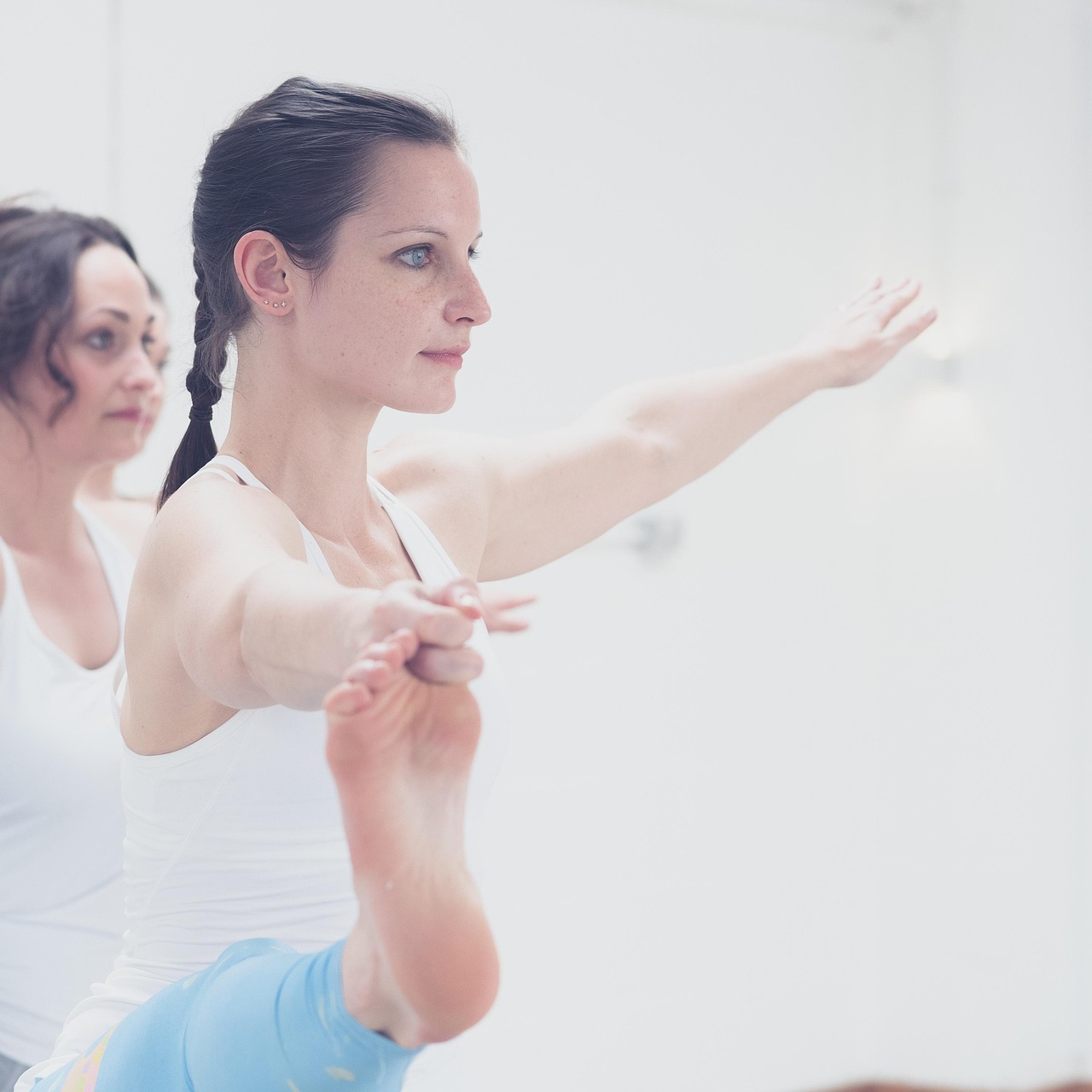
As seniors age, ensuring physical and mental wellness becomes increasingly important. One effective way to achieve this is by integrating mental exercises with balance training. This holistic approach not only enhances physical stability but also boosts cognitive functions. Balance training helps improve coordination, posture, and mobility which are crucial for preventing falls. Mental exercises, such as puzzles or memory games, stimulate the brain, fostering sharper thinking and memory retention. By combining these elements, seniors can enjoy a more well-rounded wellness routine. Incorporating activities like Tai Chi or yoga, known for their focus on balance, helps develop physical stability. Moreover, cognitive tasks can include reading or problem-solving while performing movements, effectively enhancing multi-tasking skills. To get started, choose specific balance exercises tailored to individual needs and preferences. Consider consulting with a professional to customize a program that fits best. This integrated routine can significantly enrich the daily lives of seniors by promoting independence, confidence, and overall well-being. Ultimately, blending physical activity with cognitive challenges offers immense benefits in maintaining an active and fulfilling lifestyle as one ages.
Engaging in balance training alone can be beneficial; however, melding it with mental exercises elevates the experience significantly. Studies suggest that combining physical and mental activities not only improves balance but also increases brain health. Cognitive engagement during physical activity provides the brain with the necessary stimulation it needs to flourish. For instance, seniors can practice balance while participating in a memory game, which demands both focus and physical coordination. Simple activities like walking while recalling a poem or solving riddles during simple stretches can provide both mental and physical workout. By pushing the body to move while the brain works, seniors enhance their overall cognitive abilities. Regularly incorporating such practices into daily routines fosters a sense of accomplishment and encourages consistency. It assists in sustaining motivation and commitment to their health goals, ensuring seniors remain active and engaged. As balance training becomes seamlessly intertwined with mental exercises, seniors enjoy a unique blend of benefits that challenge both the body and mind. Consequently, this leads to improved mental sharpness alongside enhanced physical skills.
Creating an Integrated Routine
Developing a structured routine that combines balance training and mental exercises can seem daunting, but it can be incredibly rewarding. Start by assessing the individual’s current fitness level, ensuring the exercises are suitable and safe. It’s essential to select both physical and mental activities that align with seniors’ interests and abilities. For instance, a simple balance exercise like standing on one foot can be performed while reciting a favorite story or song. Gradually incorporating more complex movements that challenge balance, such as heel-to-toe walking, while engaging the mind can yield excellent results. The key is consistency; try to allocate a specific time each day for practice. Additionally, it can be beneficial to engage in groups. Group activities provide socialization, enhancing collective memory appreciation. Furthermore, by fostering connection through shared experiences, seniors can encourage one another, boosting overall motivation. To maximize benefits, tracking progress can serve as an encouragement tool, allowing seniors to celebrate their achievements, be they physical or mental. Maintaining this integrated approach will foster a sense of accomplishment that leads to greater satisfaction in their routines.
It’s crucial to recognize the types of mental exercises that best complement balance training. Various activities offer substantial cognitive engagement, and selecting diversified options can enhance the overall experience. Consider incorporating word puzzles, sudoku, or card games which necessitate strategic thinking and memory recall. These activities can be done before or after the physical component of the workout. Moreover, engaging in mindfulness activities can cultivate mental clarity while performing balance exercises. Practices such as deep breathing or guided imagery, when incorporated into exercise routines, can significantly enhance focus and calmness. In addition, utilizing apps or online resources can provide entertaining and educational options for challenging the brain. As seniors engage in these activities, they can establish a meaningful routine that not only promotes physical health but also enriches mental sharpness. Regularly given options to exercise their cognitive skills while focusing on balance will create excitement, making the process enjoyable. Therefore, building a repertoire of mental exercises alongside physical training is essential for sustaining motivation and ensuring a comprehensive fitness regimen.
The Broader Benefits of Integration
Beyond the improvements in balance and cognitive function, integrating mental exercises with balance training yields additional benefits. Seniors will experience enhanced social connections through group exercises, fostering friendships and providing a crucial support network. Engaging with peers allows participants to share insights or challenges, creating an environment of encouragement. Moreover, physical activity releases endorphins, known as the “feel-good” hormones, leading to elevated mood and reduced feelings of anxiety or depression. This psychological uplift is vital as mental health plays a significant role in the overall well-being of seniors. Furthermore, this dual approach enhances resilience and adaptability, equipping seniors to handle life’s uncertainties better. The blend of mind and body empowers them to manage daily challenges with more confidence. Notably, as mobility and cognitive abilities improve, seniors grow more independent and capable in their daily living activities. By establishing a routine that includes both physical balance training and mental exercises, seniors are proactively investing in their quality of life. The holistic approach not only aims to prolong their life span but enhances the quality of those years.
Adapting exercises to suit individual preferences and limitations is vital for success in any routine. Understanding the unique needs of each senior is essential when designing this integrated training regime. Open discussions about their physical challenges and mental preferences can lead to suitable modifications that help maintain interest and enthusiasm. Flexibility in this approach can ensure seniors also enjoy engaging in diverse activities that cultivate their interests. By having options means being mindful of their social connections; they can participate in group classes or online communities focused on balance and cognitive skills. These avenues promote regular engagement and encourage seniors to remain committed. Moreover, introducing gamified elements during the workout can spark excitement. Resistance bands or balance beams can transform simple exercises into engaging challenges. Incorporating new technologies such as VR games that require physical movement and cognitive involvement can serve to stimulate both mind and body. Over time, actively involving seniors in shaping their fitness journeys ensures they feel a sense of ownership and motivation toward achieving their health goals.
Conclusion: Lasting Impact
The lasting impact of integrating mental exercises with balance training for seniors cannot be overstated. Such routines foster significant improvements not only in physical stability and movement skills but also enhance long-term cognitive health. The consistent engagement in both types of training promotes a more fulfilling life, enriching relationships, mental fortitude, and emotional resilience. As seniors find joy in their activities, the potential for overall wellness grows. The ability to foster balance and cognitive function simultaneously presents a unique opportunity to encourage lifelong learning and improvement. The beauty of this approach lies in its simplicity yet profound effectiveness. Encouraging regular physical activity alongside stimulating mental engagement is key to fostering a healthier, happier senior community. With increased focus on safety and precaution, seniors can enjoy these activities safely while reaping their many benefits. Ultimately, creating a culture where holistic fitness becomes the norm allows for brighter, healthier futures. Continuing on this path will significantly empower seniors to not only age gracefully but thrive at every stage in life, instilling a sense of hope, achievement, and satisfaction.
In the ever-evolving pursuit of wellness for seniors, integrating mental exercises with balance training has emerged as a transformative method. The positive impacts of engaging both the body and mind in activities tailored for seniors cannot be overlooked. By embracing this comprehensive fitness paradigm, seniors can experience a remarkable improvement in their overall well-being. Research continues to affirm that physical stability and cognitive functions are interlinked, creating an imperative for adopting an inclusive strategy. Through continued engagement in such dual-focused routines, older adults can live enriched lives filled with participation, joy, and the vitality to tackle the challenges of aging. By weaving together the strands of body and mind, we open new doors toward opportunities for lifelong health and happiness.