
Using Visual Charts and Graphs to Motivate Kids
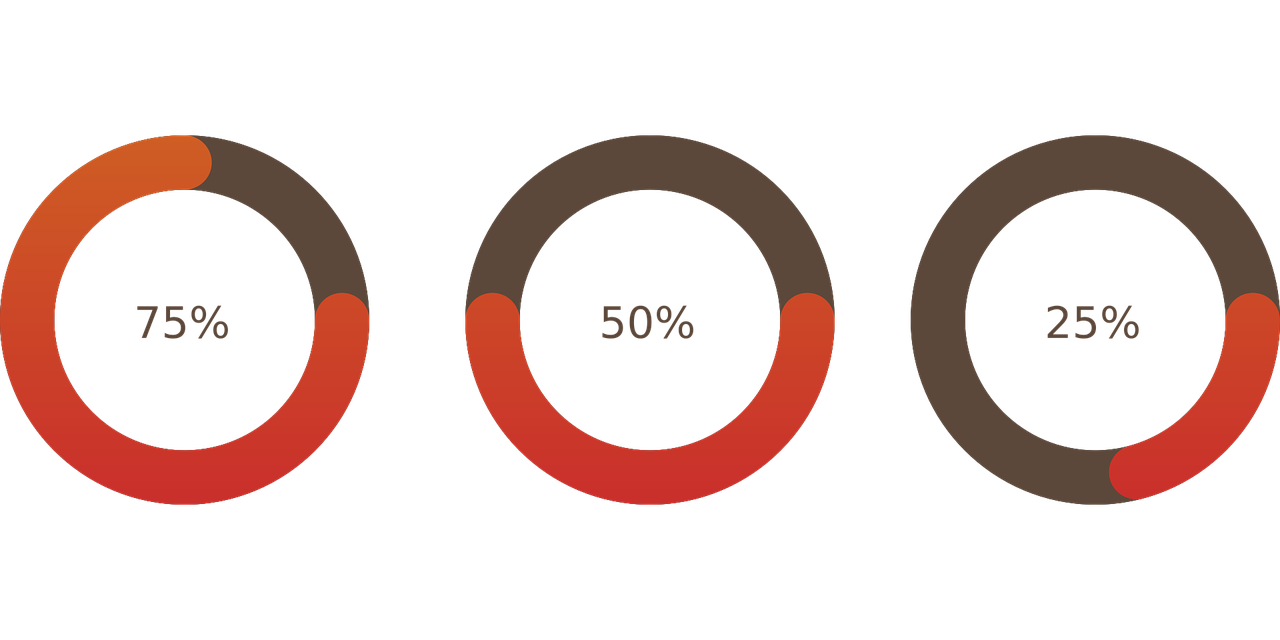
Tracking fitness progress in kids is essential for building healthy habits early in life. Visual representation through charts and graphs is an effective tool that can significantly enhance motivation. Kids naturally respond well to visual stimuli; by incorporating colorful, engaging charts, parents and teachers can make tracking progress a fun activity. For instance, reward systems, such as stickers or points on a graph, can encourage children to participate more actively. When they see their progress visually represented, it creates a sense of accomplishment. Parents can create simple line graphs showing daily activity hours; the upward trend toward a fitness goal can spark excitement. Additionally, bar charts can help compare weekly activities. These visual aids not only serve to motivate children but also encourage them to set and achieve fitness goals. Involving kids in the process can increase their interest, like letting them choose colors for their charts or deciding on their fitness targets. Overall, visual tracking not only promotes fitness awareness but also becomes a bonding activity between kids and their guardians. The combination of visual elements with supportive feedback can lead to healthy lifestyle choices.
Building a strong connection between fitness and fun is essential. Kids will inherently engage better when fitness activities are presented as exciting challenges rather than obligatory tasks. One effective method to do this is through visual competition. For instance, consider setting a monthly challenge where kids can track activities like biking or swimming. Each week, they can visually compare their activity levels displayed on a vibrant graph, fostering a sense of friendly rivalry. This technique not only motivates them to achieve more but also instills teamwork values, as they occasionally partner with friends. Kids can celebrate small victories, like reaching a certain number of activities. Additionally, including images of their favorite activities, like playing soccer or dancing, can make their graphs more personalized. Programs aimed at fitness awareness can incorporate creative graphics that appeal to kids’ interests. Educational workshops that explain the importance of fitness visually can also capture attention. When children actively participate in creating and updating their fitness charts, it reinforces ownership of their health journey, leading to consistent involvement in fitness. Ultimately, this engaging approach cultivates a positive relationship with physical activity, laying the foundation for lifelong fitness habits.
Furthermore, visual tracking can significantly enhance goal-setting capabilities among kids. By using graphs and charts to define their fitness targets, children can visualize their aspirations, like running a certain distance or completing a specific number of exercises. A clear roadmap displayed visually can help them better understand what they need to achieve. In practice, kids can use a progress chart to identify how close they are to their goals. This representation can include milestones marked with fun icons, like stars or smiley faces, to celebrate each achievement. Integrating color codes for different fitness activities can also simplify progress tracking. For example, having different colors for swimming, cycling, and running can make it clear which activities contribute towards their goals. The more personalized the chart, the more appealing it becomes for children. Parents and educators can encourage kids to reflect on their performances regularly, using the graphs as discussion points to strategize improvements. This reflection aids in developing resilience and adaptability in the face of challenges. In this way, visual charts not only motivate but equip children with critical life skills they will nurture as they grow.
Building Resilience Through Visualization
Including a regular review of fitness charts helps cultivate a mindset of resilience and persistence among kids. As they assess their graphs, discussing setbacks is vital to understand that challenges are a part of growth. Parents or coaches can guide conversations about why a particular week’s effort might not reflect their usual progress, reinforcing the idea that fitness journeys have ups and downs. Using charts during these discussions allows kids to focus on observable patterns rather than emotional responses. This shift towards data-oriented reflections can promote a healthier attitude towards failures. Kids may learn to formulate actionable strategies based on data interpretations. When setbacks happen, kids can physically alter their charts, switching gears towards different activities or increasing their efforts. By doing this, they visually experience change and improvement over time. Integrating storytelling around their fitness journeys can further enhance motivation. Sharing tales of athletes who faced hurdles to achieve success can inspire kids. Combining visuals with relatable narratives can help foster emotional investment in fitness goals. This comprehensive approach nurtures an understanding of personal growth, shaping their identities as proactive, resilient individuals committed to their health.
Moreover, technology can supplement the traditional methods of using charts and graphs. Numerous applications and devices designed for children can visually track fitness data, making the process even more interactive and engaging. For example, fitness bands that monitor steps can connect to a child’s digital dashboard displaying colorful graphs and progress reports. Many of these devices gamify the experience, integrating rewards for hitting certain targets or completing challenges. Parents can encourage children to review their digital charts weekly, fostering a routine of self-assessment. The interactive element of technology appeals to many kids, who are naturally drawn to screens and games. Digital charts can also include achievements that are shareable with friends, boosting motivation through social engagement. Kids can create friendly competitions with peers, resulting in greater participation and enjoyment in fitness endeavors. Furthermore, incorporating technological tools can enhance their understanding of fitness data, teaching them valuable analytical skills. Parents should ensure that the use of technology is balanced with traditional charting methods to reinforce the importance of tracking in various formats. Embracing both traditional and modern techniques can ensure a comprehensive approach to motivating kids towards active lifestyles.
Engaging Parents in the Journey
Parental involvement is crucial to effectively implement fitness tracking for kids. When parents engage with their children in tracking progress visually, it fosters a supportive environment that encourages active participation. Parents can work alongside their kids to create personalized fitness charts that depict family-focused fitness goals. For instance, they could organize family fitness days, where everyone’s progress is tracked together on a shared graph. This not only motivates kids but also builds a sense of belonging as they feel part of a team. Moreover, discussing fitness progress can lead to more profound conversations about health, wellness, and lifestyle choices. Parents should demonstrate enthusiasm when reviewing fitness charts, celebrating victories, and addressing challenges alike. This forms a supportive bridge of communication around health. The act of jointly tracking encourages accountability among family members—when kids see their parents engaging, they’re more likely to stay motivated. Furthermore, using technology to share progress with extended family can cultivate an environment of recognition and support from relatives. When grandparents or cousins commend a child’s achievements, it solidifies that child’s dedication and motivation to maintain their fitness journey.
Ultimately, maintaining the momentum of tracking fitness progress requires creativity and ongoing encouragement. Kids thrive on fresh ideas, so parents and educators should continually introduce innovative ways to represent their fitness journeys. Adding themes to their charts or integrating seasonal activities can infuse excitement into the tracking process. For example, a holiday-themed chart could showcase festive fitness challenges, like decorating the holiday tree with steps walked or laps run. Similarly, setting trendy goals such as biking to school can infuse energy into their daily activities. By embracing changing trends, kids will stay engaged and excited about monitoring their progress. Regular updates to the charts, perhaps with artwork or stickers, can also help keep motivation levels high. Establishing a routine to review progress and adjust goals regularly fosters an ongoing commitment to fitness. Establishing an engaging environment around fitness tracking transforms the process into an enjoyable routine rather than a chore. Most importantly, the essential skills of tracking progress, embracing challenges, and setting goals will instill lifelong habits that contribute to overall wellness. Visual tracking can indeed serve as an empowering tool in shaping healthy, active children well into adulthood.
In conclusion, leveraging visual charts and graphs presents a dynamic strategy to motivate kids towards fitness. Through various methods, engaging children in visual tracking allows them to visually experience their fitness journey, enhancing their motivation and encouraging active participation. Creative and personalized approaches to visual fitness progress can significantly increase enthusiasm. The integration of family and technology plays essential roles in creating balanced tracking experiences, influencing children’s attitudes towards health and well-being positively. By making fitness enjoyable and engaging, children are more likely to internalize these values, shaping their lifelong relationship with physical activity. As they learn to navigate challenges through resilience and goal-setting, kids develop crucial skills that extend beyond fitness into everyday life. As guardians, educators, and mentors, nurturing a supportive environment around fitness tracking can harbor healthier generations. The goal should always be to inspire children through excitement, creativity, and encouragement. Providing them with the right tools and support means empowering them to take charge of their health journeys. Ultimately, by embracing these visual techniques, we can lead children towards a healthier future, ensuring they enjoy the benefits of active living and lifelong wellness.