
Advances in Imaging for Biomechanical Studies of Pediatric Athletes
In recent years, advances in imaging techniques have transformed our understanding of biomechanics, particularly in pediatric athletes. As young athletes participate in various sports, understanding the mechanical stresses on their developing bodies has become crucial. Traditional methods often fell short, leading researchers to seek innovative imaging approaches like MRI and 3D motion analysis. These advancements allow for a deeper understanding of the interactions between bone, muscle, and connective tissue. Furthermore, imaging techniques now focus on obtaining accurate and reproducible results, essential for evaluating growth and performance. This increased precision not only aids in research but also enhances clinical practice, enabling sports physicians to develop more effective training and rehabilitation programs specifically tailored for young athletes. Understanding how these technologies work together can lead to enhanced performance and reduced injury risk.
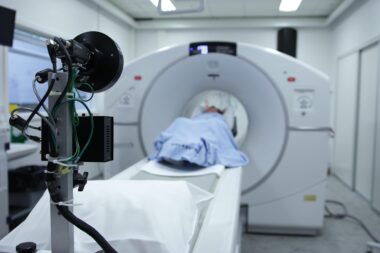
Among the cutting-edge imaging modalities, MRI has gained prominence for its ability to provide detailed soft tissue images without exposure to harmful radiation. This feature is crucial for pediatric athletes, whose tissues are still developing and may be more sensitive to damage. High-resolution MRI can effectively capture the fine details of muscle development and growth plates, facilitating safer sports practices. By analyzing these images, clinicians gain insights into the biomechanical differences between younger and older athletes. Consequently, sports scientists can leverage this data to develop better training regimens tailored to each athlete’s unique physiological stage. Moreover, the benefits of MRI extend beyond injury prevention; they provide essential data for post-injury recovery assessments, ensuring that young athletes return to sports only when safe. Understanding the intricacies of soft tissue behavior through imaging not only enhances athletic performance but also promotes long-term health and well-being.
3D Motion Analysis
3D motion analysis stands out as another essential imaging technique used in biomechanics research for pediatric athletes. Utilizing advanced sensor technology, this technique accurately captures an athlete’s movements in three dimensions, producing valuable data about mechanics during performance. By tracking parameters like speed, force, and joint angles, researchers can identify potential performance limitations and areas prone to injury. The data collected from 3D motion analysis can be used to create tailored strength and conditioning programs aimed at addressing weaknesses while improving performance. Furthermore, this analysis helps coaches and trainers develop better training strategies that consider an athlete’s unique biomechanical profile. It also plays a vital role in pre-participation physical examinations, where understanding an athlete’s movement patterns can prevent injuries before they occur. Overall, 3D motion analysis has the potential to significantly enhance our understanding of how pediatric athletes move and perform, leading to safer and more effective participation in sports.
Ultrasound imaging has emerged as a powerful tool for evaluating musculoskeletal conditions in pediatric athletes. It allows for dynamic assessment of tissues in real-time, helping clinicians visualize soft-tissue structures during functional activities. This capability is particularly beneficial in monitoring muscle strain and tendon injuries, which frequently occur in young athletes. Studies have shown that ultrasound can detect abnormalities and changes in tissue properties earlier than other imaging methods, thus enabling timely intervention and treatment. This proactive approach can help athletes avoid complications and ensure a swift return to their sports activities. In addition, ultrasound is portable and relatively inexpensive, making it accessible for sports teams and clinics working with young athletes. The integration of ultrasound into routine assessments emphasizes the importance of regular monitoring of pediatric athletes to maintain their well-being and optimize performance. Thus, ultrasound imaging adds significant value in the field of sports medicine, particularly concerning the health of young athletes.
Impact on Training and Rehabilitation
The insights gained from these advanced imaging techniques have profound implications for the training and rehabilitation of pediatric athletes. By utilizing data from imaging studies, trainers and physiotherapists can create customized rehabilitation protocols tailored specifically for the young athlete’s current condition and growth stage. Understanding biomechanical differences allows practitioners to promote safe training practices while enhancing athletic performance. Additionally, these imaging technologies facilitate ongoing monitoring during recovery, ensuring athletes do not return to play prematurely. The data informs adjustments to their training loads and recovery strategies, improving overall outcomes. In light of this, sports organizations increasingly recognize the need for interdisciplinary teams, combining expertise from biomechanics, medical staff, and coaches. This collaboration ensures that training is not only performance-oriented but also prioritizes athlete welfare. As more practices and methodologies incorporate these imaging advancements, there will be a noticeable reduction in injury rates among pediatric athletes. Comprehensive approaches that integrate biomechanical data can also foster long-term athletic careers for young sports participants.
Furthermore, the integration of these imaging techniques leads to improved communication among stakeholders involved in a young athlete’s training and rehabilitation process. Coaches, trainers, and healthcare professionals can utilize the same set of data to formulate a cohesive strategy, aligning everyone’s goals for the athlete. This facilitates a holistic approach to training and recovery, where everyone is informed and on the same page. Enhanced communication ensures that all parties account for growth and development variations among young athletes, minimizing the risk of burnout and injuries. Thus, when children participate in sports, having not just the right training but also the right support system becomes essential. This support ensures that young athletes maximize their potential while minimizing risks. Improved imaging techniques empower all involved, creating a structured environment for developmental sport training. Future research in biomechanics may further refine these approaches, promoting continual evolution in training methodologies that prioritize athletes’ long-term health and performance. In conclusion, advances in imaging technologies significantly reshape our understanding and support of young athletes in the realm of sports.
Conclusion
The advancement of imaging techniques in biomechanics plays a pivotal role in the study and support of pediatric athletes. From MRI and ultrasound to 3D motion analysis, these technologies enhance our understanding of the body’s mechanics and how children interact with various sports activities. With continued research and technological innovation, we will likely see even more sophisticated imaging techniques emerge, providing deeper insights into athlete health. Such advancements will ultimately contribute to developing safer sports practices that cater specifically to young athletes, promoting their physical and mental well-being. As the landscape of youth sports continues to evolve, incorporating contemporary imaging techniques will be essential in addressing health challenges and optimizing athletic potential. It is a promising time for biomechanics, with the prospect of positively impacting many young athletes’ lives. Their future in sports should prioritize not only performance but also health, encouraging sustainable participation in sports. A collective commitment from researchers, practitioners, coaches, and parents will amplify this endeavor, ensuring that the best practices remain at the forefront of development.
Moving forward, enhancing educational pathways for coaches and sports practitioners concerning the implications of biomechanics will be vital. Understanding how to interpret imaging data effectively can empower those responsible for training young athletes to make informed decisions. Continuous education programs must emphasize the importance of these imaging modalities, integrating them into coaching curricula. As emerging professionals in the field become aware of the advancements in imaging technology, they can better support their athletes. This knowledge is foundational for fostering a sports culture that prioritizes health, safety, and effective performance. Innovations in imaging techniques are important for academic and clinical settings alike and should be carefully examined by all parties involved in youth sports. Ultimately, a commitment to ongoing education and awareness is paramount, ensuring future generations of athletes benefit from the intuitive collaboration of biomechanics, health, and sports science. This future holds promise, as advancements unfold for a comprehensive understanding of pediatric athletes and the necessary conditions for their growth and performance. Aligning our collective efforts will surely yield a brighter and healthier sporting environment for our children.