
Must-Have OCR Training Apps for Competitive Athletes
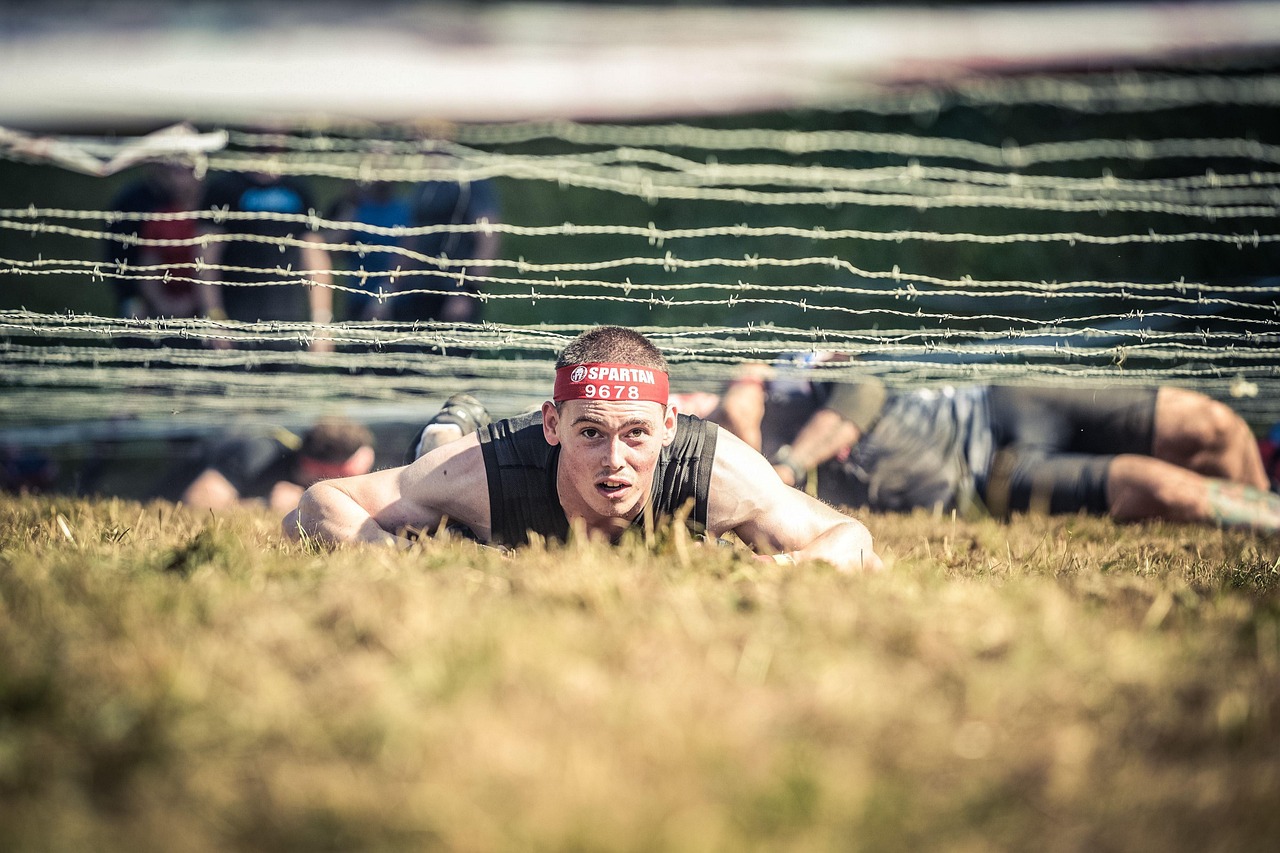
Obstacle Course Racing (OCR) is gaining massive popularity as an exhilarating sport that mixes athleticism and adventure. However, to excel in OCR, athletes must embrace effective training methodologies. The advent of technology has given rise to specialized Obstacle Course Race Training Apps designed to enhance performance and boost training efficiency. These apps provide personalized workout plans, instructional videos, and nutrition tracking, vital for athletes. Selecting the right app is essential, as these resources can help train specific muscle groups used in OCR competitions. Features like time tracking, distance measurements, and customized workouts allow athletes to fine-tune their training. Creating a community environment through social features also adds motivation and accountability. Moreover, these apps often offer challenges to keep users engaged. Athletes can also seek coaching tips or engage with seasoned OCR participants, fostering a supportive community. To ensure optimal performance, dedicating time to research and choosing the right app based on personal needs is crucial. In this article, we will explore various options and discuss their features to help athletes make informed choices for enhancing their training regimens.
Top Features to Look for in OCR Training Apps
When selecting an OCR training app, there are key features you should prioritize to maximize your training outcomes. First, strong workout customization capabilities are essential. Athletes should be able to tailor workouts to their specific strengths and weaknesses. This ensures that all aspects of OCR training, from endurance to obstacle navigation skills, are covered. Secondly, instructional videos are invaluable, providing visual demonstrations of techniques crucial for success in various obstacles. An app that includes a library of such videos promotes effective learning. Additionally, nutritional support is vital; top apps offer meal planning and calorie tracking features. These assist athletes in fueling their bodies appropriately for rigorous training and competition days. The community features are also fundamental in providing motivation. Interaction with fellow OCR enthusiasts can inspire athletes to push their boundaries and share experiences. Social features often include shared challenges, leaderboards, and a platform to ask questions from more experienced athletes. Finally, robust tracking options for metrics, such as distance, heart rate, and progress over time, are essential. Monitoring these data points helps athletes assess their improvement and adjust their training as needed.
One popular OCR training app that showcases many of these desirable features is My OCR Coach. This app offers a comprehensive workout and nutrition plan tailored specifically for obstacle course racers. Users can access a library filled with instructional videos that break down each obstacle and how to conquer it. Each workout is designed by professionals who understand the demands of the sport. Additionally, My OCR Coach emphasizes the importance of recovery and nutrition, helping athletes develop sustainable eating habits to support both training and recovery. Users appreciate the sense of community fostered within the app, as they can connect with fellow users and share their successes. Regular updates keep the content fresh, ensuring that athletes remain engaged and inspired. Many users report significant improvements in their performance levels after utilizing the structured training regimens. For those interested in data tracking, the app features progress graphs to visualize improvements over time. Testimonials frequently highlight the motivational features, including badges earned for completing specific challenges. Overall, My OCR Coach stands out as a favorite among competitive athletes looking to elevate their OCR game.
Another notable app worth mentioning is Warrior Training, designed specifically for OCR enthusiasts looking for a dedicated training platform. Warrior Training focuses on functional fitness, providing tailored workouts that integrate various physical skills crucial for OCR success. Users benefit from a seamless interface where they can choose their workout intensity based on current fitness levels. The app features obstacle-specific routines, allowing athletes to train directly for the challenges they anticipate facing. Moreover, Warrior Training includes a camaraderie aspect, enabling users to join challenges with friends or other athletes. The inclusion of a calendar function helps athletes organize and schedule their workouts effectively while setting goals for skills they want to enhance. Nutrition tracking is also included, guiding users in their dietary choices to fuel performance. Users rave about the step-by-step tutorials which illustrate proper techniques for various exercises. Community forums foster ongoing discussions among participants, providing a platform for exchanging tips and success stories. With its unique focus on practical training tailored to OCR demands, Warrior Training has carved a niche within the OCR app landscape for dedicated athletes.
The Benefits of Using OCR Training Apps
Utilizing OCR training apps can dramatically enhance an athlete’s performance by providing structured training regimens tailored to the sport’s unique demands. These apps allow users to train at their own pace, providing flexibility to fit workouts into their busy schedules. Having access to professional knowledge through a digital format democratizes training, making effective training accessible to individuals regardless of location. Moreover, many of these apps facilitate accountability through goal-setting features. Users can set specific targets, whether they relate to distance, speed, or specific obstacles they want to master. Tracking progress helps reinforce commitment to these goals. Additionally, the ability to communicate with a community of like-minded individuals creates a support system that encourages perseverance. Engaging with others offers motivation and camaraderie, especially during challenging training periods. Data accuracy is another layer these apps provide, as metrics can be closely monitored and analyzed. This data-driven approach helps athletes understand their strengths and weaknesses, allowing for focused improvements. Ultimately, using OCR training apps fosters a comprehensive approach to training that enhances both physical and mental performance in competitive circumstances.
One of the increasingly popular platforms is Fitbod, known for its data-driven workouts that adapt based on user feedback. Fitbod restructures its algorithms to consider individual user performances, making each workout more tailored. By analyzing past workouts, this app intelligently suggests the next session to ensure balance and progression in strength training movements. Moreover, it encompasses a range of exercises that incorporate grip strength, agility, and endurance, crucial components of any successful OCR athlete’s training. Beyond workouts, Fitbod integrates a nutrition calculator, providing macros and meal suggestions to enhance recovery. As athletes pursue various OCR competitions throughout the year, Fitbod helps cultivate a routine that prepares them mentally and physically. Users highlight the user-friendly interface that simplifies navigation, making it efficient to access personalized workouts quickly. Visual graphs tracking progress over time can motivate athletes to push themselves further, celebrating their achievements along the way. Overall, Fitbod’s adaptability and focus on personalized training strategies elevate it as a top choice among OCR enthusiasts looking for comprehensive training aids in their journey.
In conclusion, embracing technology through training apps can transform an athlete’s approach to Obstacle Course Racing. The right OCR training app provides a plethora of features that not only enhance training routines but also offer valuable insights into personal fitness journeys. With customized workouts, nutritional advice, community support, and tracking capabilities, these apps guide athletes in honing their skills systematically. Each athlete may find different features appealing, from community interactions on Warrior Training to advanced monitoring on Fitbod. By diligently researching options and exploring testimonials, athletes are more likely to select an app that aligns with their personal objectives. Remember to continually reassess these tools, as their usability and effectiveness may evolve over time. As the landscape of OCR continues to grow, so will the offerings from these apps. Athletes can seize this opportunity to gain a competitive edge through well-structured training and collaboration with peers. Ultimately, the right app can catalyze enhanced performance, turning potential into success on the OCR course.
Every competitive athlete understands that preparing for the rugged terrain of obstacle races requires commitment, discipline, and the right tools. Training apps designed for OCR take the guesswork out of training, providing structured routines that are easy to follow. In addition, they reduce the time spent planning workouts and allow athletes to focus on skill development. As the popularity of OCR continues to expand, so do the resources available for aspiring athletes. This means new and innovative training programs are always emerging. Athletes should regularly review their training methodologies and adapt their strategies based on evolving skills and fitness levels. Relying solely on physical preparation is not enough; mental preparation through visualization techniques and community support can dramatically affect performance. Therefore, incorporating mental strategies into training regimens alongside the physical training offered by these apps can lead to optimal results. Take time to engage with your community—share your training milestones, successes, or challenges faced along the way. In doing so, you’ll build connections that not only motivate but inspire others in their OCR journey. Remember, the race is not just a test of physical endurance but a testament to mental resilience.