
Adjusting Your Bicycle Gears for Optimal Performance
When it comes to enjoying a smooth ride on your bicycle, one of the most crucial aspects is the gear system. Properly adjusted gears not only enhance the performance of your bike but also improve your overall riding experience. The adjustment process can seem daunting for some, but breaking it down into manageable steps makes it easier for any cyclist. Start by ensuring your bike is clean, as dirt and grime can prevent proper gear shifting. Cleaning the chain, derailleur, and cogs minimizes friction, thus improving efficiency. After cleaning, check the cable tension; it should not be too tight or too loose. Shift through the gears to locate any trouble spots. If shifting is not smooth, the derailleur might need realignment or adjustment. It is key to remember that minor adjustments go a long way. Using the barrel adjuster can help fine-tune the tension of the cables without the need for tools. Familiarizing yourself with these elements of your bike will empower you to maintain it better and increase lifespan.
Understanding Gear Mechanics
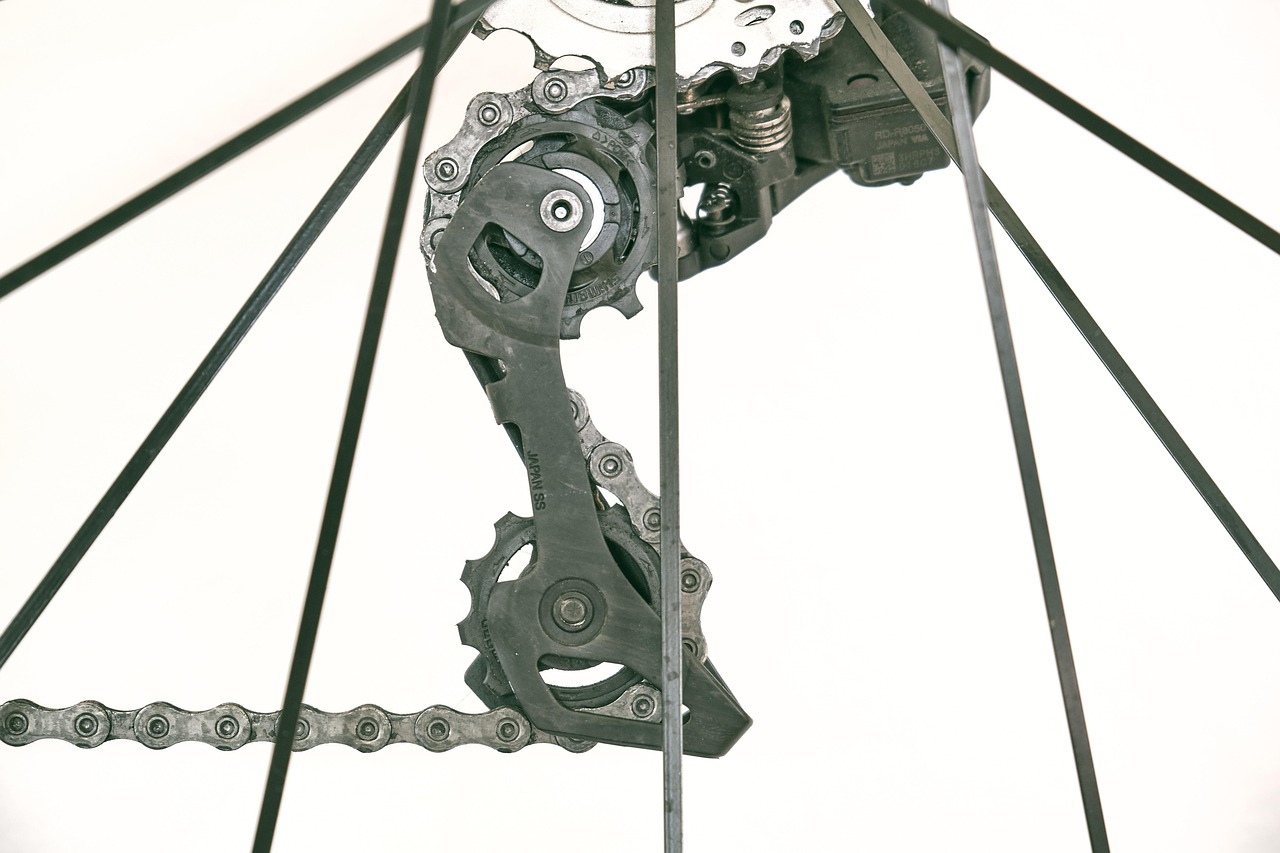
Bicycle gears consist of several components, including the derailleur, the cogs, and the shifters. Each of these parts must work in harmony for optimal performance. Understanding how they interact helps to diagnose issues quickly and effectively. The derailleur’s role is to move the chain across the cogs when you change gears. The shifter communicates with the derailleur through cables, while the cogs determine the resistance you feel while pedaling. Regularly inspect these parts for wear and ensure that they are functioning correctly. If shifting feels sluggish or imprecise, it can indicate an issue with any component in the system. Make sure to check that the derailleur hanger is straight and not bent. Sometimes, a simple adjustment can resolve a myriad of issues. Keeping an eye on cable wear is essential, as frayed cables can impede performance significantly. Remember to replace them periodically for maximum efficiency. Additionally, using the right lubricant on the chain can keep your shifting smooth and responsive. Each of these harmonious interactions contributes to a more enjoyable cycling experience.
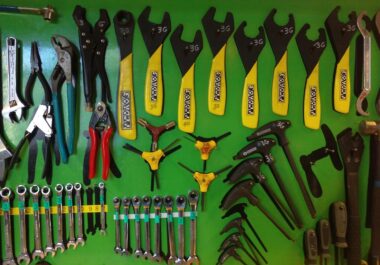
Before performing any adjustments, it is essential to have the right tools at hand. Key tools include a screwdriver, allen wrench set, and chain lubricant. Having these tools ready ensures a seamless process during maintenance. Additionally, keep your bike on a flat surface for stability while you perform adjustments. If you are new to bike maintenance, it may be beneficial to consult with a more experienced cyclist or refer to online tutorials. There is a wealth of information available that can guide you through the adjustment processes step by step. Furthermore, consider checking the bike’s owner manual, as it may contain specific instructions tailored to your bike model. Another handy tip is to document any adjustments you make. This record can be a helpful reference for future maintenance sessions. Over time, you will become more familiar with your bike’s behavior in respect to gear shifting. Each ride will teach you subtle cues that inform you when maintenance is needed. Monitoring your bike’s performance closely can prolong its lifespan and enhance your riding experience.
Fine-Tuning Your Gear Shifting
As you familiarize yourself with your bike, fine-tuning gear shifts becomes essential for ensuring optimal performance. Start by adjusting the limit screws on the derailleur. The high limit screw controls how far the derailleur can move in the upward direction, while the low limit screw does the same for the downward movement. This ensures that the chain does not overshift into unintended gears. Adjusting them properly prevents the chain from slipping off, maintaining a smooth ride. Following limit adjustment, use the barrel adjuster to fine-tune cable tension. If you find that your bike is slow to shift into a higher gear, you might need to increase tension. Conversely, if it doesn’t shift into a lower gear, a loosening of the cable may be necessary. These minor tweaks can significantly affect your cycling experience. Regularly testing the bike’s shifting through its entire range while making these adjustments aids in finding the sweet spot for smooth gear shifts. Finally, remember that patience is key. Reaching optimal performance is often trial and error, which leads to improved skills and knowledge.
Another important aspect to consider is the rear derailleur’s angle. Proper alignment allows for more effective gear changes, reducing the likelihood of noisy shifts. If you notice that the bike is noisy or struggling to shift, inspect the alignment first. Small misalignments can have big effects. You may also want to ensure the chain is the appropriate length; an overly long or short chain can cause issues with shifting and hamper performance. If replacing the chain, spend some time ensuring the new chain matches your bike’s specifications. Likewise, inspect the cogs for wear and tear. Worn cogs can make it harder for the chain to shift smoothly. Consider installing a new cassette if you find significant wear. It’s worth mentioning that knowledgeable local bike shops can provide insights. Don’t hesitate to ask for help if you feel unsure about adjusting gears yourself. They can guide you through challenging tasks or even offer classes on bike maintenance. External resources can greatly enhance your understanding, enabling you to perform gear adjustments with confidence.
Testing and Final Adjustments
After making adjustments, testing the bike is essential to ensure everything works correctly. Take your bicycle for a short spin around the block, shifting through all the gears. This practical test provides real-time feedback on how effective your adjustments were. Pay attention to any unusual sounds or feelings while shifting. If you experience slipping or delays, further fine-tuning may be necessary. Sometimes a small additional tweak can make a huge difference in overall performance. Take note of your bike’s behavior and document any remaining issues you identify. After completing several rounds of testing, you should find your gear shifts to be smoother and more responsive. This is a great sign that your adjustments are working. Remember that maintaining your bike is an ongoing process, so don’t forget to check regularly. Consistent checks will help you catch potential problems early on before they escalate. Engage with fellow cyclists in your cycling community for shared experiences and advice, as this can provide valuable insights into maintaining gear systems effectively. Enjoy the improvements in your cycling experience from a well-maintained bicycle gear system.
By adhering to these practical steps for adjusting your bicycle gears, you can dramatically enhance your cycling experience. Understanding the importance of each component will make you a more skilled cyclist, able to troubleshoot issues as they arise. Being proactive in maintenance will not only prolong the life of your bike but also ensure that you consistently enjoy the thrill of each ride. Cycling is a rewarding and healthy activity, and having your gear system function optimally contributes to both comfort and performance. Whether you’re commuting daily or exploring trails on weekends, smooth gear shifts improve efficiency and enjoyment. Regular maintenance doesn’t just save you time and money; it also fuels your passion for cycling. Join local cycling groups and workshops to continuously learn from experienced cyclists. Engaging with the cycling community can provide support and inspiration, enriching your overall cycling journey. Embrace the learning process; every small adjustment you make cultivates a deeper relationship with your bicycle. Moreover, this attention to detail will translate into improved confidence on the road. Optimize your cycling experience by becoming a knowledgeable, engaged cyclist.
In conclusion, maintaining and adjusting your bicycle gears can seem challenging but becomes manageable with practice and knowledge. Each adjustment you master unlocks a new level of cycling proficiency and enjoyment. The ability to shift gears smoothly plays a crucial role in your bike’s performance and your comfort level while riding. Do not forget the importance of riding regularly, as each ride provides unique insights into what your bike needs. Foster a habit of checking your gear system, allowing you to remain responsive to any issues that may arise. With each successful adjustment, your confidence will increase, empowering you to tackle greater challenges in your cycling endeavors. Celebrate these small victories! Your relationship with your bike will deepen as you learn to appreciate the finer details of its mechanics. In time, you will not only become more proficient in gear adjustments but well-rounded in all aspects of bike maintenance. Ultimately, your enthusiasm for cycling will flourish as the joy of riding develops into a fluid experience. Happy cycling, and may your journeys be filled with smooth gears and exhilarating rides.