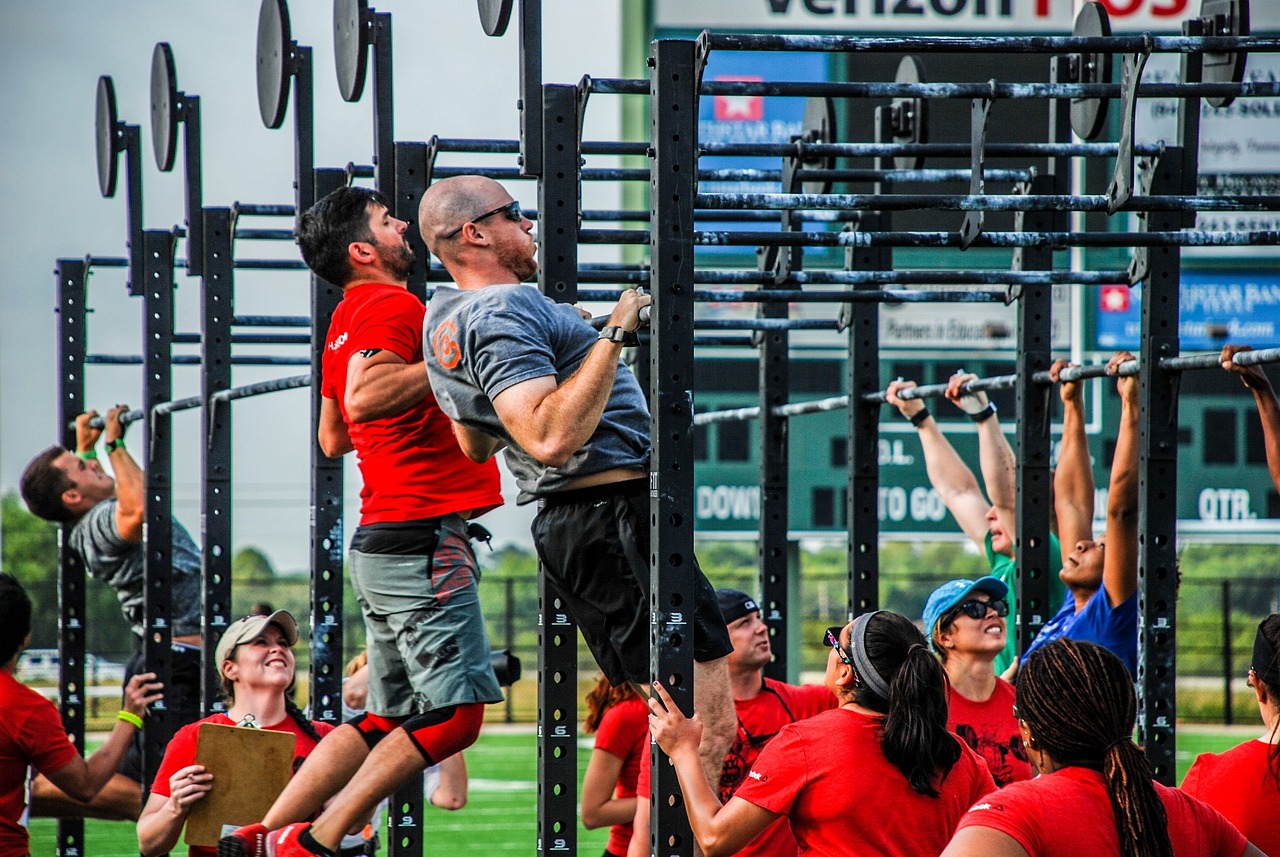

Common Mistakes Endurance Athletes Make in CrossFit Training
Endurance athletes often transition to CrossFit seeking improved strength and conditioning; however, they face specific challenges. One common mistake is neglecting strength training fundamentals, assuming their cardiovascular fitness is sufficient. This neglect can lead to imbalances, risking injury or burnout. Endurance athletes must prioritize strength components in their regimen to improve overall performance. Another mistake is poor scaling during workouts. Many athletes try to complete advanced movements without proper progression, leading to frustration. Learning to scale effectively ensures safe and sustainable improvements. Additionally, a lack of focus on technique tends to hurt performance. Endurance athletes often prioritize speed over form, which can lead to inefficient movements. Developing a strong, efficient technique is essential for maximizing any CrossFit workout. Moreover, poor nutrition habits can accompany training changes. Endurance athletes accustomed to high-carb diets may not adapt their nutritional intake to meet their increased caloric needs in CrossFit. Maintaining proper macronutrient ratios is vital for enhanced performance. Lastly, inadequate recovery strategies often lead to fatigue. Athletes should incorporate active recovery days and prioritize quality sleep for optimal results.
Endurance athletes also often mistake the purpose of workouts in CrossFit. Unlike traditional endurance training focused on long, slow distances, CrossFit emphasizes intensity and varied movements. This could create confusion about when to push hard versus when to focus on skills or endurance. Athletes might push their limits too soon, leading to overtraining or injury. Understanding the balance of intensity during workouts is essential. Another oversight comes from overly focusing on WODs (Workouts of the Day) at the expense of skill work. While WODs are great for conditioning, dedicating time to developing skills like Olympic lifts ensures safety and performance improvements. Prioritizing skills, such as proper lifting techniques, benefits overall strength progression. Additionally, endurance athletes often have preconceived notions about rest intervals, thinking they must always keep moving. However, incorporating intentional rest intervals can enhance overall performance and allow for better recovery between high-intensity efforts. This is essential in a sport with varied demands like CrossFit. Furthermore, athletes neglect assessing their progress outside of competition, which matters in long-term improvement. Setting benchmark workouts and tracking improvements enhances motivation and shows success.
Ignoring Supplementation Needs
Another prevalent mistake is ignoring the necessity of supplementation. While a well-rounded diet is foundational, endurance athletes in CrossFit may require extra nutrients. Many overlook the importance of protein intake, which is essential for muscle recovery and growth. Athletes need to focus on getting enough protein during their training cycles to enhance performance. Adequate hydration is crucial as well, as many underappreciate water intake’s significance in performance. Dehydration can seriously impact both physical and mental performance in CrossFit, leading to slower times and diminished power output. Also, recovery supplements can help enhance performance after intense WODs. Many might be unfamiliar with proper supplementation dosages, which adds to the confusion. Educating oneself about the types of supplements available can aid in making informed choices. Another misstep is neglecting flexibility and mobility work. Endurance athletes often think they only need to run longer and lift heavier. However, dedicating time to flexibility increases performance and decreases injury risks. Neglecting this vital component can lead to muscle tightness and joint pain. Athletes should integrate mobility routines into their warm-ups and cool-downs to ensure a balanced approach to training.
Moreover, endurance athletes may struggle with defining their long-term goals in CrossFit. While they may often set goals around running times, they might not know how to measure strength progress, such as their 1-rep maxes. Setting quantifiable goals across different modalities is crucial for those wanting to find a balance between endurance and strength gains. This often leads to a lack of motivation when results seem sparse. Developing a structured goal-setting approach can help guide an athlete’s training path effectively. Athletes also might not value the importance of community in CrossFit. Joining a CrossFit community offers camaraderie and motivation, encouraging better performance. Training alone can demotivate and hinder progress. Finding a supportive environment can enhance commitment and performance, resulting in better results over numerous workouts. Many endurance athletes ignore the psychological impact of training changes, resulting in increased stress levels. Adjusting to the demands of CrossFit can bring about mental hurdles that experienced endurance athletes might not anticipate. Incorporating mental conditioning techniques can significantly improve performance and coping strategies during tough training phases.
Neglecting Proper Warm-up and Cool-down
Another common mistake is neglecting proper warm-up and cool-down routines before and after workouts. Athletes often jump straight into high-intensity exercises without adequately preparing their muscles for the demands ahead. A good warm-up enhances blood flow and activates muscle groups that are crucial for their workout. Skipping this can lead to injuries, affecting overall training efficiency and enjoyment. Proper cool-down strategies are equally critical as they facilitate recovery and prevent soreness after workouts. Many athletes rush out post-training, missing opportunities to stretch and relax their muscles. Incorporating cool-down routines, including light stretching or foam rolling, helps muscles recover more effectively. Lastly, endurance athletes may overlook the need for cross-training. While CrossFit is already a form of cross-training, incorporating other fitness modalities can enhance diversity in movement patterns and muscle engagement. This approach prevents burnout and overuse injuries, fostering overall physical health. Including other sports or activities can rejuvenate passion for training, ultimately improving performance in CrossFit. Embracing a more holistic training routine becomes key to avoiding risk and achieving long-term success and rewards in this unique training system.
Finally, many endurance athletes fail to recognize the importance of listening to their body during CrossFit training. The high-intensity environment can sometimes inhibit the natural cues of fatigue, leading to pushing through pain and overexertion. Endurance athletes must regain the ability to tune into their bodies to prevent injuries. This self-awareness should influence training decisions regarding intensity and volume, crucial for staying injury-free in the long run. Another oversight occurs when athletes compare their progress to others, often feeling inadequate or discouraged. Each athlete has a unique journey with individualized strengths, and persistent comparison can erode self-confidence. Focusing on personal progress staves off negative feelings, fostering sustained motivation and consistent improvement. Additionally, athletes might overlook the significance of personalizing their training in CrossFit. A program that isn’t tailored to meet their endurance needs can prevent optimal adaptation and benefits. Customizing workouts can help balance strength and endurance. Importantly, athletes frequently forget the exciting part of the journey is enjoying it. Endurance athletes engaging in CrossFit should celebrate their love for fitness while experiencing growth. Finding joy in the process cultivates a positive training mindset.
In summary, endurance athletes often encounter challenges and common mistakes when integrating CrossFit into their training. Neglecting strength training, scaling workouts, or lacking technique can all impede progress and lead to injuries. Awareness of nutritional needs, including proper hydration and supplementation, is fundamental to performing effectively. Setting defined goals and the importance of community engagement can enhance both motivation and results. Furthermore, ensuring proper warm-up and cool-down routines creates a foundation for lasting success and injury prevention. Listening to the body’s signals and personalizing training routines builds the foundation for efficient progress. Finally, the emphasis should always be on enjoying the fitness journey itself. Finding joy in workouts creates motivation while minimizing frustrations. By addressing these common pitfalls, endurance athletes can significantly improve their CrossFit training experience and performance outcomes for countless workouts to come. Embracing the balance between endurance and strength presents a pathway toward achieving overall wellness and fitness. Thus, applying these considerations allows athletes to thrive in their CrossFit endeavors while enjoying the journey. Growth in both strength and endurance opens the door to exciting challenges and achievements as athletes progress.
Conclusion and Future Considerations
As endurance athletes continue exploring CrossFit, understanding these common pitfalls becomes essential. Fostering awareness of the unique challenges involved greatly enhances overall training and performance outcomes. By recognizing and addressing their weakest points, athletes can build a more durable and capable foundation. Engaging the support of a knowledgeable coach can offer guidance, accountability, and insight into effective training strategies. Moreover, athletes should keep learning about recovery techniques and incorporate these methodologies into their routines. Viewing CrossFit as a sport that can complement their endurance training will position athletes to adapt effectively. Their journey will be enriched by ongoing education and continuous improvement. This progressive mindset leads to long-lasting changes that benefit both physical and mental states. For athletes striving for their best, error correction can become an essential part of their training philosophy. Ultimately, embracing adaptability in their CrossFit regimen empowers athletes to achieve personal records and enhance their overall fitness. Navigating the journey ahead with open-mindedness creates the opportunity for exciting milestones. As the fitness landscape continues to evolve, endurance athletes must stay attuned to their needs and expectations.