
Building a Successful Women’s Field Hockey Program
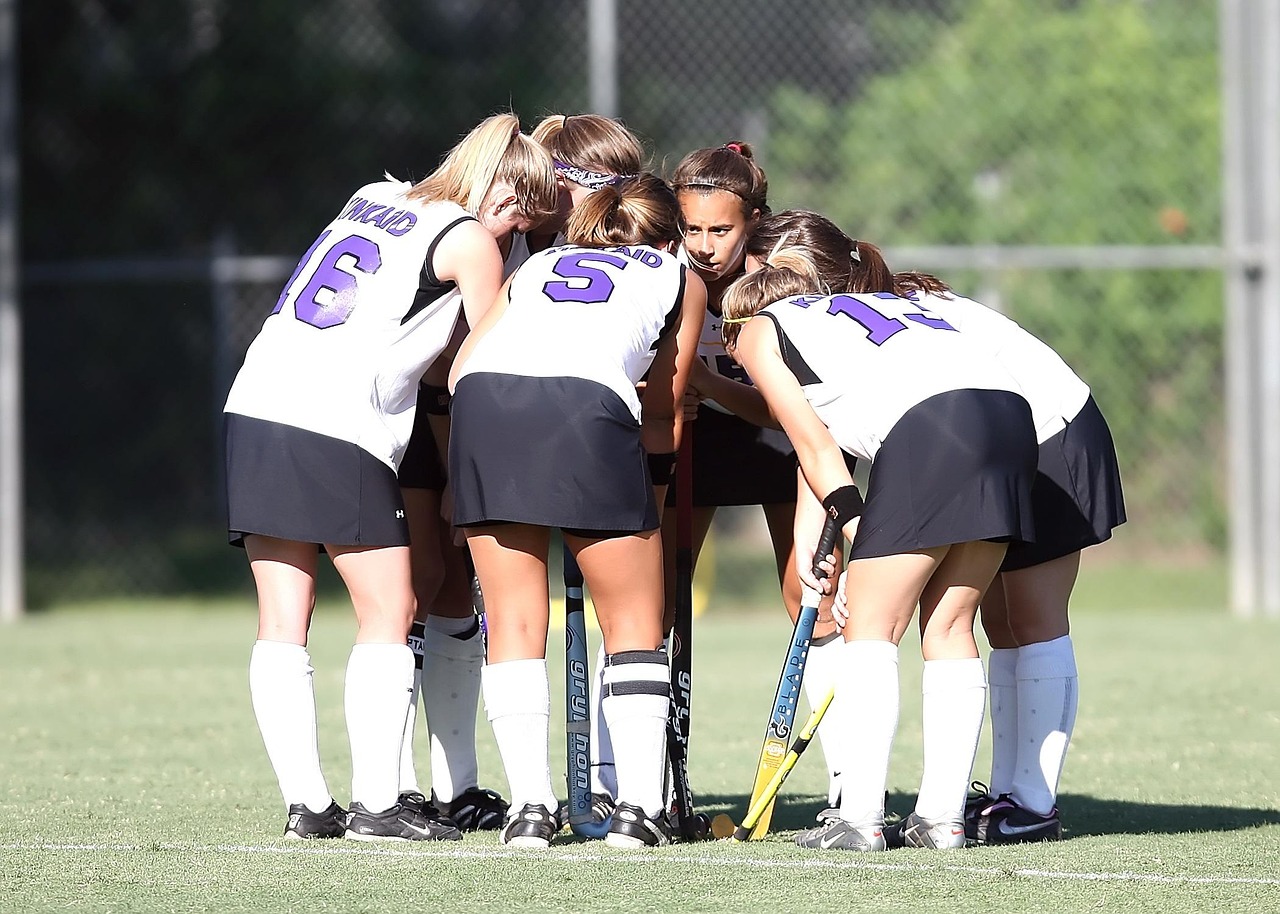
Creating a thriving women’s field hockey program requires strategic planning, commitment, and systematic execution. It is fundamental to establish a vision that resonates with all team members and stakeholders involved. Coaches must passionately communicate the objectives and foster a culture of inclusivity and teamwork. Strong leadership is vital as well, ensuring that athletes are motivated and united toward shared goals. Establishing a foundational framework also entails selecting dedicated coaching staff who understand the nuances of women’s sports and the unique challenges faced during competition. Coaches should consistently pursue professional development, subsequent training, and workshops to stay updated on best practices. Collaborative efforts with experienced coaches can provide insights into effective drills and game strategies. Moreover, actively involving parents, local communities, and former players will create a supportive environment that encourages growth and enthusiasm. Regular evaluations of team performance, player feedback, and adjusting strategies based on competitive analysis will enhance overall effectiveness. A sustained commitment to fostering an exceptional organizational culture will ultimately lead to success on the field during games and tournaments. By prioritizing these elements, coaches and administrators can build a successful women’s field hockey program that excels.
In setting structured training schedules, effective practice sessions help players hone their skills and strengthen teamwork. Establishing daily or weekly practices should balance developing individual technical skills and team cohesion. It’s crucial to incorporate physical conditioning exercises that develop stamina, agility, and strength specific to field hockey. Additionally, including competitive yet fun drills can boost morale and foster bond among team members. Listening to the athletes’ feedback on practice formats encourages ownership and underlines a culture of collaboration. Meanwhile, players should also be trained in the tactical aspects of the game, including positioning, offensive and defensive strategies, and field awareness. Organizing friendly matches and participating in local tournaments provides an excellent opportunity to implement learned strategies against other teams. Networking with other programs ensures diversity in competition style and cultivates adaptability in athletes, crucial for thriving in high-pressure situations. Furthermore, emphasizing sportsmanship and fair play at all stages nurtures respect for opponents and promotes positive competition. By prioritizing skill development through rigorous and engaging practice schedules, coaches can forge a more formidable and cohesive women’s field hockey team.
Competing at a Higher Level
To enhance the competitiveness of a women’s field hockey program, targeting higher-level competition is essential. Competing against stronger teams sharpens skills and exposes players to advanced game-play dynamics, elevating their overall performance. Constructing a schedule that includes well-organized tournaments or leagues promotes regular high-stakes situations that test preparation strategies. It’s also important to create connections with similar programs across regions to facilitate matches and share resources. These opportunities allow for assessing players’ abilities and adapting game plans against diverse playing styles. Moreover, investing in video analysis can help identify individual and team weaknesses that need improvement, while also evaluating tactical success. By reviewing game footage, coaches enable athletes to critically analyze their performance, developing a deeper understanding of their responsibilities during matches. Supporting athletes during these learning moments fosters resilience and goal-oriented attitudes, essential traits for achieving success. Additionally, integrating technology such as performance tracking apps can motivate players to take ownership of their training. This competitive structure fosters ambitious, dedicated athletes committed to personal growth and success within the field hockey program.
Establishing a recruiting pipeline is instrumental in sustaining a successful women’s field hockey program. This initiative focuses on attracting young talent through school outreach, community events, and sports camps. Engaging with local youth sports organizations can aid in discovering aspiring players who demonstrate promise in their field hockey skills. Inviting high school coaches to recommend athletes helps build relationships within the community, facilitating trust and acknowledgment of the program’s commitment to excellence. In addition, organizing open tryouts provides a transparent way for athletes to showcase their skills while earning selection to the program. Highlighting scholarships, financial aid options, or development opportunities can entice talented players from diverse backgrounds. Scholarships demonstrate the program’s commitment to nurturing talent, while providing athletes with a pathway to excel in academics and sport. Furthermore, creating a mentorship system allows seasoned players to guide newcomers, enhancing their transition into the program. This approach builds lasting relationships and reinforces an inclusive culture. By prioritizing recruitment through various initiatives, teams secure a sustainable future with depth in talent, which ultimately contributes to program success.
Creating a Supportive Environment
To ensure long-term success in women’s field hockey programs, fostering a supportive environment is paramount. Coaches should prioritize emotional well-being alongside athletic development. Establishing open lines of communication promotes trust and transparency among players. Athletes must feel safe discussing challenges, whether personal or sport-related. Implementing team-building exercises enhances relationships and cultivates a sense of belonging for each team member. Regularly scheduled meetings can provide opportunities to reflect on personal and team goals, along with discussing strategies for improvement. Inviting guest speakers, including former players or successful coaches, can offer inspiration and valuable insights into overcoming obstacles. Overall wellness programs, including workshops on nutrition and mental health, can significantly boost athletes’ performance and resilience. Furthermore, involving families in the team’s activities provides them with an understanding of the program’s objectives, fostering a spirit of collaboration. Engaging families can enhance community buy-in and support attendance at games. Additionally, recognizing player milestones and achievements fosters positive reinforcement, motivating individuals to contribute actively to the team. A well-rounded and supportive environment cultivates strong athletes, encouraging them to achieve their goals.
Effective fundraising initiatives are essential for the growth and sustainability of women’s field hockey programs. Securing financial resources enables teams to access quality equipment, uniforms, and facilities. Creating a well-structured plan encompassing various fundraising activities, including community events, sponsorship proposals, and merchandise sales can be beneficial. Hosting events like charity matches or fun runs encourages community involvement while raising funds for the program. Engaging local businesses to become sponsors offers financial support, while also building mutually beneficial relationships. Providing publicity for sponsors through team events and promotions can encourage ongoing financial backing. Furthermore, integrating athletes into fundraising efforts motivates them to take ownership and develop essential skills, such as marketing and organization. Highlighting the impact of donations on individual athlete’s success can also underscore the importance of financial support. Sharing success stories and updates on the team’s progression can encourage ongoing community engagement, creating a loyal supporter base. Ultimately, effective fundraising strategies allow women’s field hockey programs to thrive, creating opportunities for athletes and contributing to overall growth.
Conclusion: Building a Legacy
In conclusion, building a successful women’s field hockey program requires dedication, strategic planning, and community support. By establishing clearly defined objectives and cultivating a healthy team culture, coaches can guide players toward achieving their goals. Competing at higher levels fosters resilience and adaptability, while focused recruitment protects a sustainable future filled with talent. Moreover, creating a supportive environment encourages individual growth among athletes, enhancing their emotional well-being and overall performance. Furthermore, effective fundraising initiatives can help procure essential resources, driving the program forward. Engaging with families and local communities can strengthen bonds and generate passion for the sport. Consistently evaluating player and team performances drives continued success and improvement. Documenting these achievements and sharing experiences fosters pride and encourages future generations of athletes to participate in field hockey. By embracing these principles and strategies, teams can transform aspirations into reality, ultimately creating a legacy that inspires others. Women’s field hockey continues to grow, and nurturing supportive environments for aspiring athletes ensures that the future remains bright.