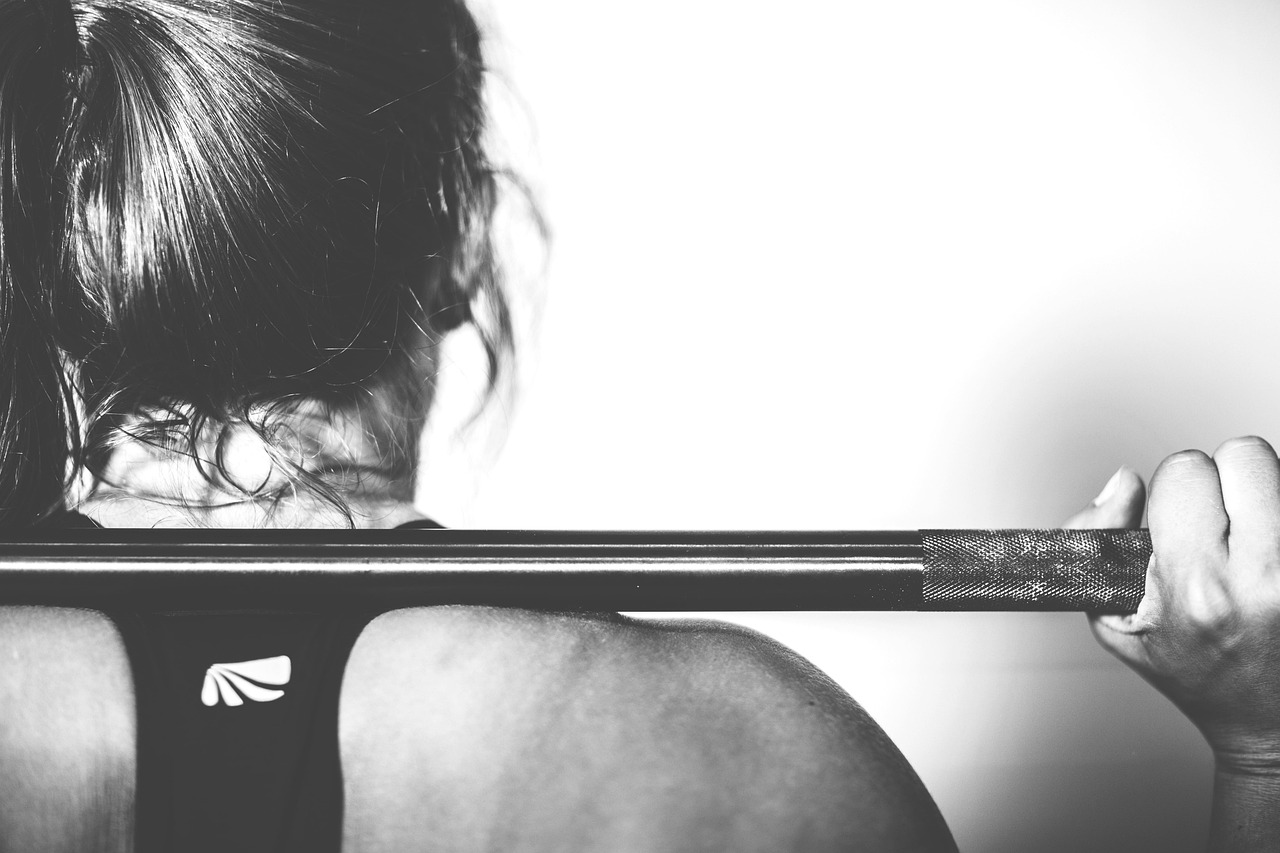

Customizing Your CrossFit Plan Based on Your Body Type for Weight Loss
Creating a successful weight loss plan with CrossFit demands understanding your body type. Typically, individuals fall into three primary categories: ectomorph, mesomorph, and endomorph. Each body type responds differently to exercise, and recognizing these differences is crucial for effective weight loss. Ectomorphs, for instance, are often lean and may struggle to gain muscle. Therefore, their CrossFit programs should focus on compound movements that enhance strength while maintaining a caloric deficit. Mesomorphs generally have a muscular build and can achieve higher intensity workouts with ease. Their plans should incorporate a mix of strength and conditioning to maximize fat loss. Endomorphs tend to store more fat and may find it harder to lose weight. Their routine should emphasize higher reps and cardio, while also being mindful of dietary choices. Knowing how your body responds to training enables you to tailor your CrossFit plan. Consulting a trainer who understands your body type can also yield significant improvements in your results and keep you motivated as you embark on your weight loss journey.
Both nutrition and workout frequency play a significant role in achieving your weight loss goals with CrossFit. A balance of macronutrients is essential, as different body types require various dietary adjustments. Ectomorphs may require higher carbohydrate intakes combined with proteins to fuel their workouts and the metabolism, while mesomorphs thrive on moderate carbs and balanced proteins and fats. Endomorphs, on the other hand, should focus on high-protein, low-carbohydrate diets to optimize fat loss while engaging in metabolic conditioning during their workouts. Furthermore, meal timing can also influence results during your weight loss journey. Incorporating smaller, more frequent meals can keep the metabolism active and prevent hunger. Hitting workouts multiple times per week can stimulate fat loss as well, but it’s essential to listen to your body and schedule rest days to recover. Each workout should vary in intensity and focus to prevent burnouts and enhance results. Therefore, achieving significant results in CrossFit for weight loss also requires proper nutrition and an understanding of workout frequency.
Integrating Recovery Strategies
Another paramount aspect of customizing your CrossFit plan relates to recovery strategies. These strategies can greatly enhance your performance and overall results. Rest and recovery help muscles repair and grow while reducing the risk of injuries that could impede your weight loss progress. For any body type, including active stretching, foam rolling, and mobility work into your routine will significantly improve muscle recovery. CrossFit often involves high-intensity workouts that can create stress on the body; hence, having adequate rest days becomes a non-negotiable component to ensure optimal performance. Additionally, sleep quality cannot be overlooked. Adequate sleep improves muscle recovery and metabolic health, making it essential in your CrossFit journey. Different recovery methods, such as yoga or meditation, contribute to mental health too, which is equally necessary for sustained weight loss. Adopting these recovery strategies not only lessens fatigue but also optimizes physical output during workouts. Therefore, ensuring a combination of training, recovery, and nutrition can yield long-lasting results.
Moreover, motivation and accountability play influential roles in sticking to a CrossFit weight loss program based on your body type. Finding a supportive community or workout buddy can significantly impact your commitment to the program. Surrounding yourself with individuals who share similar goals allows for sharing successes, tips, and encouragement during challenging times. Participating in group classes is also a beneficial way to stay motivated, as the group dynamic often pushes individuals to perform better. Tracking your progress by keeping a log can further enhance motivation. Recording achievements, such as lifting heavier weights or completing workouts with better efficiency, helps maintain focus on your goals. Utilizing technology, such as fitness apps, can also provide instant feedback about your progress. Setting smaller, achievable goals can help maintain interest and spark inspiration as you work through your fitness journey. Regularly celebrating those achievements is essential in maintaining a positive mindset towards your weight loss pursuits, allowing you to enjoy the process as much as reaching your target.
Importance of Goal Setting
Setting clear and realistic goals is essential for effectively customizing your CrossFit plan to achieve weight loss. Start by identifying what you aim to achieve within a specific timeframe, whether improving strength, losing a certain amount of weight, or enhancing your overall fitness level. Documenting these goals can provide motivation and create a roadmap for your training. Utilize the SMART criteria when setting your goals: Specific, Measurable, Achievable, Relevant, and Time-bound. This framework helps ensure that your goals are realistic and trackable. Sharing your goals with your CrossFit coach can also lead to personalized adjustments and support tailored to your objectives. Engaging in goal-setting not only enhances the focus on workouts but also helps in assessing your progress throughout the fitness journey. Regularly reviewing and revising your goals keeps the excitement alive and can allow you to adapt your plan to suit evolving needs. Celebrating the completion of goals, no matter their size, reinforces positive behavior and inspires further success in your ongoing fitness journey.
In addition, taking advantage of various CrossFit techniques aids in customizing your program significantly. Each workout can be tailored to specific goals and can benefit from adjustments such as varying the weight and reps according to your body type. For instance, if you’re an endomorph, focusing on higher repetitions with lighter weights during metabolic conditioning can enhance fat loss. Ectomorphs, who may struggle to gain muscle mass, should include less volume and more rest between sets to maximize weight training effectively. Mesomorphs often benefit from a balanced approach that incorporates both high-intensity lifts and endurance training. Experimenting with workout modifications, including different timings and techniques such as EMOM (every minute on the minute,) AMRAP (as many rounds as possible), or specialized programming can deliver diverse challenges. This continual adjustment helps in keeping your routine engaging and aligned with your workout goals. Remember, what works for one individual may not resonate with another, so researching and discovering what feels best for your body is key.
Conclusion and Encouragement
In conclusion, customizing your CrossFit plan based on body type for weight loss is an intricate process requiring a multifaceted approach. By understanding your body type, incorporating an appropriate nutrition plan, adhering to a regular workout frequency, prioritizing recovery, and setting solid goals, you ensure a well-rounded and effective strategy for achieving your weight loss objectives. Engaging with supportive communities and using various CrossFit techniques can further amplify your results. The journey towards weight loss can be challenging, but also immensely rewarding. Remaining flexible and open to change as you progress is vital for long-term success. Each person’s journey is unique, and adapting your plan will help you overcome obstacles. Remain patient and committed, acknowledge small victories, and remember to celebrate each step towards achieving your goals. As you customize your CrossFit plan, keep your ultimate weight loss aspirations in sight while enjoying the journey. Commit fully, and you will see improvements that may change not only your fitness but also your life!
Both nutrition and workout frequency play a significant role in achieving your weight loss goals with CrossFit. A balance of macronutrients is essential, as different body types require various dietary adjustments. Ectomorphs may require higher carbohydrate intakes combined with proteins to fuel their workouts and the metabolism, while mesomorphs thrive on moderate carbs and balanced proteins and fats. Endomorphs, on the other hand, should focus on high-protein, low-carbohydrate diets to optimize fat loss while engaging in metabolic conditioning during their workouts. Furthermore, meal timing can also influence results during your weight loss journey. Incorporating smaller, more frequent meals can keep the metabolism active and prevent hunger. Hitting workouts multiple times per week can stimulate fat loss as well, but it’s essential to listen to your body and schedule rest days to recover. Each workout should vary in intensity and focus to prevent burnouts and enhance results. Therefore, achieving significant results in CrossFit for weight loss also requires proper nutrition and an understanding of workout frequency.