
Best Practices for Implementing Video Analysis in Training Sessions
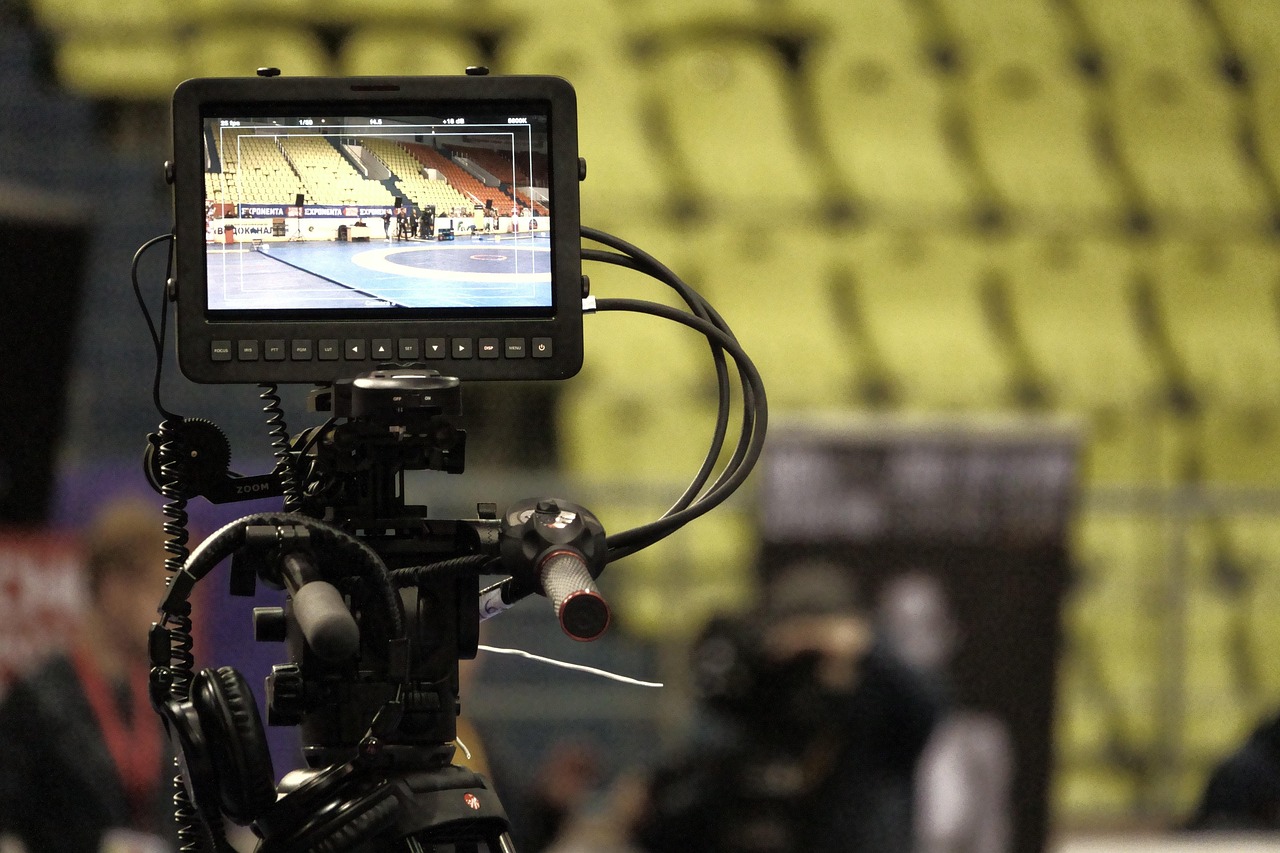
Video analysis has become invaluable in modern sports training, enabling coaches to offer tailored feedback. To implement video analysis effectively, start by selecting the right technology and tools. Choose high-quality cameras and editing software that suit your budget and needs. Understanding how to use this technology is essential; training sessions should include familiarization with both hardware and software. Furthermore, set clear objectives before recording footage to align with specific training goals. This approach ensures that the video content gathered is relevant and useful. Post-analysis, coaches must provide constructive criticism, making sure to highlight areas for improvement along with positive feedback to motivate athletes. In addition, involving athletes in the analysis, encouraging them to self-evaluate their performances, leads to better learning and self-awareness. Regularly scheduled review sessions can keep athletes engaged and help them track their progress over time. Also, storing video data securely ensures easy access for future reference, making it easier to observe long-term improvement in performance.
Establishing Effective Communication Channels
Effective communication is crucial when implementing video analysis into training. Coaches should establish clear, open channels for discussion regarding video content both before and after sessions. Athletes should feel comfortable sharing their thoughts on the recordings, which can promote a collaborative learning atmosphere. Utilize team meetings to discuss insights gathered from the video sessions, ensuring everyone understands the objectives and expected outcomes. As discussions ensue, focus on fostering a supportive environment where constructive feedback is welcomed. Additionally, using visual aids can help in explaining complex movements or strategies noticed in the footage. Encourage athletes to ask questions and voice their concerns, ensuring that they are fully engaged during the analysis process. This also fosters a sense of ownership over their training. It could be beneficial to create a shared digital platform or app that allows athletes to access their videos easily. This flexibility encourages continuous self-assessment and personal growth outside conventional training hours, promoting a more in-depth understanding of their sports techniques and strategies.
To maximize the benefits of video analysis, it’s essential to formulate a structured approach to sessions. Start with an organized plan that outlines what specific aspects of performance will be analyzed. This focus can range from technical skills, such as shooting and passing, to tactical understanding during plays and formations. Having a checklist can help coaches decide what content to capture and analyze. When reviewing footage, dissect the recordings into smaller segments, concentrating on individual components rather than assessing everything at once. This segmented approach allows for a deeper understanding of each area and ensures targeted feedback. Essential to this method is consistency in recording; keeping the environment and conditions as similar as possible prevents outside factors from skewing results. Coaches should also keep notes during each analysis session, which can then be converted into development plans for athletes. Allowing athletes to visualize their improvements through these tailored plans maximizes their engagement. Consequently, video analysis can transform from an observational tool to a dynamic instrument for personalized development in sports training.
Integrating Video Analysis with Alternatives
While video analysis is powerful, integrating it with other training methods enhances overall effectiveness. Coaches should combine video footage with live feedback during practice sessions to reinforce learning. For instance, guiding athletes in real-time as they view their recorded plays can cement the lessons learned from their analyses. This hybrid approach makes it easier for athletes to remember and implement feedback on the spot. Additionally, utilizing other technologies, such as wearables that provide performance data, can offer a comprehensive understanding of an athlete’s development. Recording heart rates and other metrics alongside video analysis can lead to more personalized training regimens. Always remember to complement video sessions with physical drills that reinforce skills analyzed. If a specific skill needs improvement, incorporating focused drills into practice allows athletes to apply the feedback from their video analysis. Moreover, using athlete feedback to guide updates in practice focuses efforts on what truly impacts their learning and development while utilizing various methods of engagement tailored to diverse learning styles.
Incorporating video analysis may not be without challenges. Some athletes might feel uneasy about seeing themselves perform, which can cause anxiety and resistance. Coaches should address these feelings empathetically, assuring athletes of the constructive intent behind such reviews. Setting a positive tone during sessions can help alleviate stress; focusing on progress rather than perfection should be emphasized. Additionally, ensuring that the video analysis sessions are not overly frequent can help maintain athletes’ enthusiasm. Allow time between sessions for athletes to incorporate feedback into their training before the next review. This balance also permits them to showcase improvements and reduces the feeling of constant evaluation. When presenting information, be sensitive to the athletes’ emotional states and readiness to receive feedback. It may also be helpful to celebrate small victories seen through video analysis. Celebrating every improvement encourages positive reinforcement, motivating athletes to approach future sessions with eagerness rather than apprehension, transforming challenges into opportunities for growth and improvement within their sports training journey.
Measuring Outcomes and Progress
Tracking performance data over time is essential to gauge the effectiveness of video analysis in training. Coaches should develop clear metrics to measure the outcomes tied to video sessions, such as skill improvement rates or tactical understanding. Regular reviews of this data will provide insights into areas of progress and those which may require additional focus. These metrics should align with the overall goals set at the beginning of the training cycle. By doing so, adjustments can easily be made to training regimens to better serve athlete needs. Regular feedback loops provide opportunities for both coaches and athletes to refine their approaches based on actionable data. Additionally, utilizing visual graphs or charts during discussions can facilitate comprehension of trends and patterns in performance. In doing so, athletes can easily identify their strengths and weaknesses, enabling targeted self-improvement efforts. Celebrating milestone achievements linked to video analysis also reinforces its importance and motivates athletes to invest in the process continually. Knowing they are progressing will inspire athletes to remain engaged and committed to their training and growth.
Finally, it’s important to emphasize the long-term benefits of implementing video analysis in training. Recognizing that progress might not be immediately visible encourages a patient approach among athletes and coaches alike. Building a culture of consistent review enhances adaptability and resilience, crucial qualities in the competitive sports environment. Over time, athletes will develop not only their technical skills but also improved cognitive abilities, empowering them to make better decisions in high-pressure situations. Furthermore, as athletes become proficient in self-analysis, they will take greater ownership of their development journey. They’ll become proactive in seeking feedback and solutions to challenges they face, fostering a culture of continuous improvement. Coaches should make concerted efforts to highlight these long-term benefits consistently throughout the training cycles. Ultimately, the incorporation of video analysis lays the groundwork for nurturing a dynamic, engaging training environment where athletes can thrive. This not only leads to improved individual performances but can also contribute to a cohesive team dynamic, ultimately driving collective success in competitive settings.