
High-Elevation Trail Runs: Event Reviews and Runner Experiences
Trail running at high elevations offers an exhilarating experience that combines stunning scenery with physical challenges. Participants in these events often report feeling more connected to nature as they ascend rugged terrains and navigate winding trails. With events held in locations such as the Rockies and the Sierra Nevada, athletes experience breathtaking views and unique ecosystems. Runners have shared their thoughts on the importance of preparation for these races, particularly regarding acclimatization to altitude. It has been emphasized that investing time in training at altitude can yield positive results on race day. Some runners recommend including hill workouts and strength training focused on leg endurance. Moreover, nutrition plays a crucial role in conquering high-elevation trails, where easy digestion of food and hydration become priorities. Many recommend that participants consume energy gels and electrolyte drinks throughout the race. Sharing experiences of recent high-elevation races, such as the speed of fellow competitors and the adrenaline rush of downhill segments, many find the thrill of trail running addicting. Insightful tips from veterans frequently highlight the importance of a supportive running community in tackling these grueling courses. The camaraderie shared during these events fosters lifelong friendships.
Runner Experiences at Elevated Venues
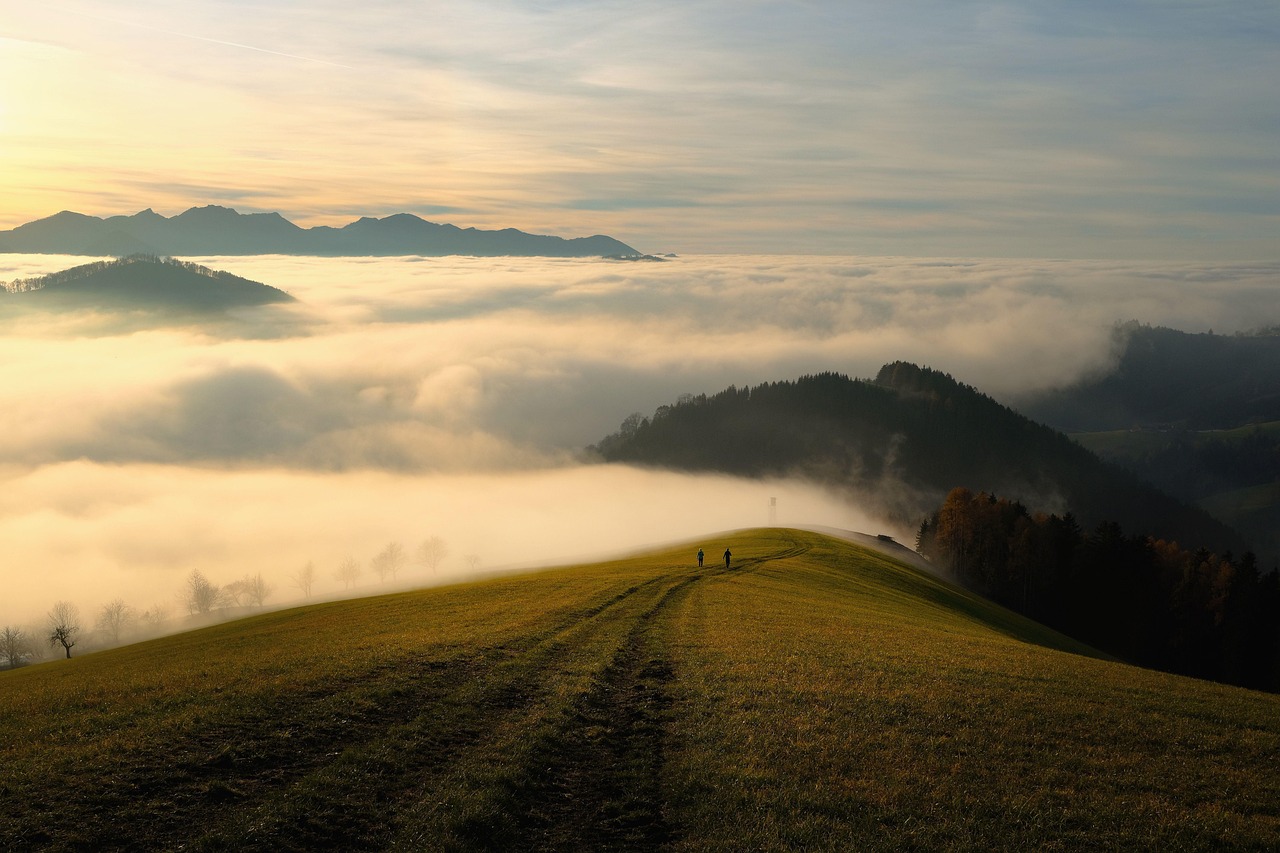
Attending high-elevation trail running events often creates unforgettable memories for participants, from breathtaking vistas to unexpected challenges. Many runners share that early morning sunrises transform the atmosphere, with colors painting the sky as they begin their trek. For example, at the Trail Ridge Run, athletes mention the exhilarating feeling of running against a backdrop of serene mountain peaks. Unexpected weather changes can turn these events into true tests of endurance, with rain or snow adding layers of difficulty for racers. Moreover, the diverse terrain challenges not only physical strength but also mental focus. Some runners recount intricate descents that demand technical skill as well as courage. This leads to the camaraderie formed among participants, motivating each other through tough sections. Post-race festivities often include sharing stories and celebrating victories, regardless of finishing time. Spontaneous bonfires and storytelling create lasting bonds among runners. Additionally, runners emphasize the role of volunteers who provide invaluable support at aid stations. Their encouragement and snacks become crucial motivators during those grueling segments of the race. The overall experience leaves runners eagerly looking forward to their next adventure.
Acclimatization is a key strategy for runners tackling high-elevation trail races, with many respecting its importance. Some participants recommend several days of gradual physical adaptation above 8,000 feet prior to the race date. This period often allows one’s body to adapt to lower oxygen levels found at high elevations. Taking the time to acclimatize helps prevent altitude sickness, a common concern for many newcomers. Runners are advised to remain hydrated and avoid strenuous activities during the acclimatization phase. Training runs at various altitudes are often incorporated into preparation schedules to facilitate this process. Participants also mention the significance of pre-race training schedules and tapering to avoid overexertion before race day. Many report that listening to their bodies becomes especially crucial when training at elevations. Insights from experienced runners underscore the necessity of pacing oneself, encouraging a sustainable approach during competitions. Nutrition during preparation also plays a vital role in performance, where maintaining energy levels becomes a priority. The consensus is clear: knowing personal limits while adjusting to altitude provides a competitive edge during high-elevation races. Connecting through social media platforms, runners often share tips and strategies that foster community support as they embark on these journeys.
Gear Recommendations for High-Elevation Events
Choosing the right gear is pivotal when participating in high-elevation events, impacting both performance and safety. Runners often recommend investing in quality footwear specifically designed for rugged terrain to provide necessary traction and support. Many athletes emphasize the importance of fit and comfort, ensuring that their shoes can withstand long distances while preventing blisters. Layering clothes for changing weather conditions becomes essential as well, with breathable fabrics allowing sweat-wicking properties. Additionally, windproof jackets and moisture-wicking base layers are common recommendations among experienced runners. Hydration packs become critical tools for endurance athletes since they allow easy access to fluids without hindering movement. Gear weight becomes a focal point, with runners sharing insights on selecting lightweight equipment to enhance agility on challenging trails. Navigation tools, such as GPS watches and intuitive mapping apps, help guide runners on complex routes. The opinions of seasoned participants often highlight the need for safety gear, including trekking poles and headlamps for challenging courses. Investing in lightweight materials often drives the choice of items that enhance performance while maintaining essential gear for competition. Runners agree that being well-prepared empowers their race day experience.
The post-race atmosphere at high-elevation trail running events promises unique experiences and social engagements. Many participants reflect on the euphoric feeling of crossing the finish line, often overwhelmed with a mix of emotions. Celebrations include cheering crowds and fellow runners congratulating each other, regardless of position finished. Beyond receiving medals and prizes, runners cherish sharing their stories of triumph over elevation and exhaustion. Race organizers often set up activities where participants participate in jury rounds for awards, bringing additional excitement to the event. Gathering around bonfires while sharing laughter creates an atmospheric sense of victory. Supporting local vendors at these events offers a chance to explore delicious food options, from gourmet burgers to savory tacos. Additionally, race day photos captured by talented photographers frequently become cherished keepsakes, reminding runners of the day’s adventure. Social media becomes vital for posting memories and connecting with fellow participants. Many athletes recommend joining various groups to stay connected with the community, planning future high-elevation challenges together. Subsequent events often become a goal, fostering a sense of belonging within the trail running network while encouraging motivation among its members.
Challenges Faced by High-Elevation Runners
Engaging in high-elevation trail running can often present challenges that test an athlete’s perseverance and mental fortitude. Runners frequently share their experiences of encountering unexpected environmental shifts, such as sudden snowfalls or thunderstorms. According to stories from various trail events, visibility and temperature fluctuations can create difficulties on already challenging courses. Navigating steep declines and rocky paths requires mental focus, where minor distractions may lead to injuries. Physical fatigue combined with the stress of uphill climbs becomes a common burden many runners have encountered. Additionally, some newcomers find themselves overwhelmed by rapidly changing elevation levels, leading to compromised performance or altitude sickness. Hence, practice trails at lower elevations gradually prepares participants to overcome these adversities when racing. Mental preparation becomes fundamental, with runners sharing techniques such as visualization and meditation to build confidence. Many recommend encouraging dialogues with fellow participants during the race, boosting morale and motivation. Battling internal conflicts allows athletes to rediscover their passion for running amidst challenges. The runner experience is often imperfect, yet that’s what makes high-elevation consulting the thrill-seeking endeavor that it is.
In summary, high-elevation trail running events combine remarkable landscapes with physical adventures that create lasting memories. These unique experiences enable participants to push limits while forging lifelong connections and friendships among like-minded individuals. The shared journey of confronting challenges fosters a spirit of camaraderie and growth, motivating runners to continually pursue their aspirations. With support and advice from the community, newcomers often find themselves empowered to take on high-elevation competitions despite uncertainties. Experiences become essential conversations centered around mutual passion for nature, adventure, and well-being. Reviewing each event highlights how participants can learn invaluable lessons to enhance their future running endeavors. The role of thorough training, research on specific courses, and mental preparation holds great significance when evaluating performance. Moreover, the rich dialogue that surfaces within the community exemplifies the collaborative spirit needed when embarking on pushing personal boundaries. Participants are encouraged to document their adventures, noting victories and areas for growth. As these athletes plan for future high-elevation races, building upon their experiences ensures a continuous journey of exploration and achievement, reinforcing a personal connection to the sport.
Trail running at high elevations offers an exhilarating experience that combines stunning scenery with physical challenges. Participants in these events often report feeling more connected to nature as they ascend rugged terrains and navigate winding trails. With events held in locations such as the Rockies and the Sierra Nevada, athletes experience breathtaking views and unique ecosystems. Runners have shared their thoughts on the importance of preparation for these races, particularly regarding acclimatization to altitude. It has been emphasized that investing time in training at altitude can yield positive results on race day. Some runners recommend including hill workouts and strength training focused on leg endurance. Moreover, nutrition plays a crucial role in conquering high-elevation trails, where easy digestion of food and hydration become priorities. Many recommend that participants consume energy gels and electrolyte drinks throughout the race. Sharing experiences of recent high-elevation races, such as the speed of fellow competitors and the adrenaline rush of downhill segments, many find the thrill of trail running addicting. Insightful tips from veterans frequently highlight the importance of a supportive running community in tackling these grueling courses. The camaraderie shared during these events fosters lifelong friendships.