
How Calorie Counters Track Water Intake and Hydration
Understanding the role of water intake in maintaining overall health is critical. Many fitness apps offer calorie counting features, which also include tracking hydration levels. This integration ensures that users remain aware of their fluid consumption, an important aspect of a balanced diet. Effective hydration can improve physical performance, enhance cognitive function, and aid in digestion. Calorie counters typically feature customizable water intake goals based on individual needs and lifestyle. By tracking not just food calories but also water intake, these apps help users maintain optimal hydration. In addition, many apps provide reminders or notifications to encourage regular water consumption throughout the day. Some calorie counters even give personalized recommendations based on factors like exercise level, climate, and body weight. Users can input daily water consumption manually or integrate smart devices that automatically log hydration data. This dual approach to tracking calories and hydration promotes healthier lifestyle choices. As a result, users may experience improved energy levels, better concentration, and enhanced workout recovery. Moreover, staying hydrated reduces the risk of dehydration-related issues, emphasizing the significance of water in fitness tracking.
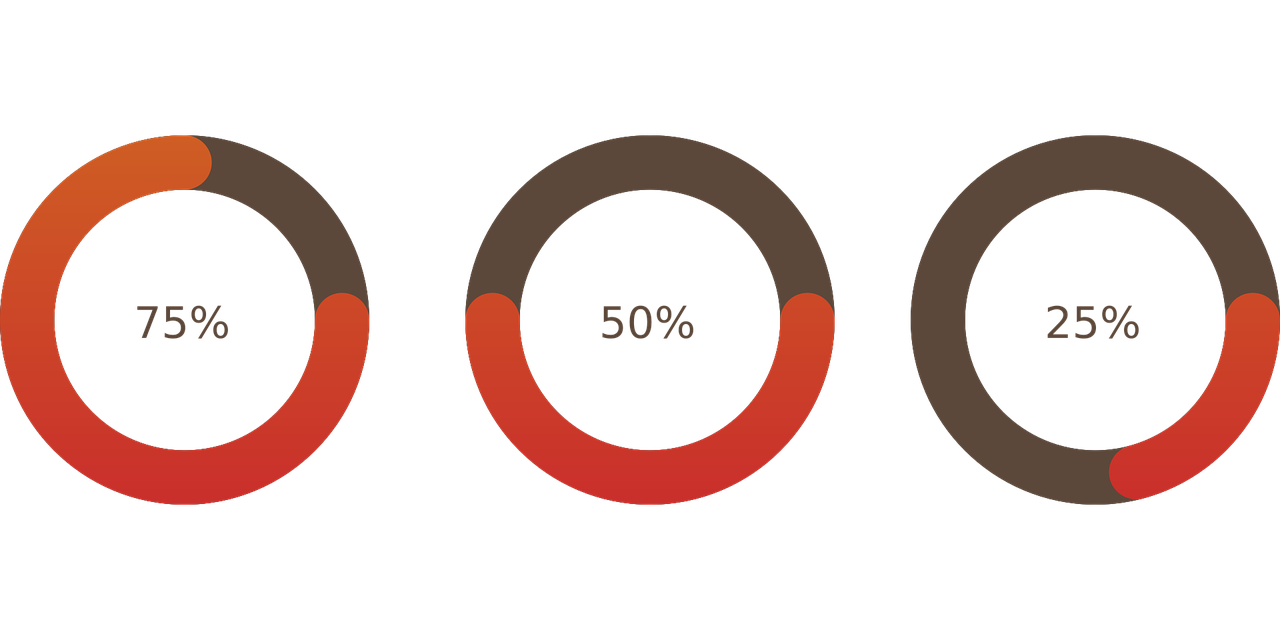
To enhance user experience, many calorie counters incorporate visual graphs and tracking features for water intake. These visual aids provide clear feedback on hydration levels, allowing users to see their progress in real time. This aspect can motivate individuals to meet their daily hydration goals consistently. Many apps also offer adjustable goal settings that cater to individual needs based on age, activity level, and specific health conditions. By making hydration tracking fun and engaging, users may be more likely to adhere to their targets. Notifications and reminders act as personal encouragement tools, prompting users to drink water at regular intervals. Furthermore, some apps allow users to connect with friends or community groups, creating a supportive environment for maintaining healthy habits. Social accountability can be a powerful motivator for many people. Additionally, users can share their hydration achievements on social media, reinforcing positive behaviors. Collectively, these features integrate the importance of hydration with users’ fitness journeys. Maintaining hydration not only supports weight loss efforts but also boosts overall wellness. As a result, calorie counters facilitate more informed decisions regarding both food and drink intake, leading to comprehensive health improvements.
Benefits of Tracking Hydration
Tracking hydration through calorie counter apps leads to various benefits. Firstly, proper hydration improves physical performance, as muscles function better when adequately supplied with water. Additionally, hydration is essential for maintaining energy levels throughout the day. Athletes, in particular, often require precise water intake tracking during training. Calorie counters help monitor this, enabling users to optimize their hydration strategies. Another benefit is enhanced mental clarity; dehydration can lead to fatigue and decreased focus. By incorporating hydration tracking, users can make necessary adjustments before dehydration sets in. Moreover, many individuals struggle to drink enough water daily, and tracking provides an easy solution to this common problem. Regular reminders and engaging features keep users committed to their hydration goals. Furthermore, tracking water intake can be particularly beneficial for those managing weight. Sometimes, feelings of hunger can be attributed to dehydration rather than a need for food. By ensuring adequate water intake, users may be able to better manage their hunger cues. This method helps create a more balanced diet by differentiating between hunger and thirst, ultimately leading to better choices. The combination of calorie counting and hydration tracking empowers users towards healthier lifestyles.
Several fitness apps take hydration tracking further by incorporating features that enhance user engagement. For instance, gamification elements can make tracking water intake enjoyable. Users might earn points, badges, or rewards for reaching their hydration targets consistently. Friendly competitions with friends can also encourage users to stay on track. Some apps allow users to set up challenges to see who can maintain their hydration goals over a specific period. This social dimension not only promotes accountability but also fosters a sense of community. Additionally, many apps provide educational resources about the benefits of hydration. By understanding the importance of fluid balance and its direct correlation to performance, users can feel empowered. These resources often highlight available drinking options and encourage users to choose healthier beverages instead of sugary drinks. Some users appreciate personalized insights based on their hydration patterns, giving tailored advice to improve daily intake. Integrating these features with calorie counting ultimately maximizes health outcomes. Overall, tracking hydration alongside calorie intake fosters a comprehensive approach to wellness. It reminds users that fitness is not solely about calories; it also encompasses fluid balance and overall health.
Challenges in Maintaining Hydration
While tracking hydration offers numerous benefits, users often encounter challenges. Busy lifestyles can sometimes make it difficult to remember to drink water consistently. Users might forget to log their intake or skip drinking water altogether during hectic days. This oversight defeats the purpose of hydration tracking and can lead to insufficient fluid consumption. Additionally, some individuals may find it challenging to adjust to the recommended hydration levels, especially if they are unaccustomed to drinking enough water. The transition may require conscious effort and determination. Counting water intake becomes essential in these situations, yet motivation can wane if users don’t see immediate results. Furthermore, certain activities, such as exercising or spending time outdoors in hot weather, increase hydration demand. Users might not be aware of how their bodies lose water, emphasizing the need for regular tracking. To combat these challenges, incorporating fun, engaging methods into hydration tracking can help motivate users. Fitness apps that offer user-friendly interfaces, reminders, and social features can facilitate better habits. Understanding personal patterns in hydration can also empower users to stay ahead of potential dehydration and adjust easily.
Furthermore, users may struggle with finding suitable strategies to enhance their daily water intake. Many individuals find plain water unappealing and resist drinking enough. Fortunately, calorie counting apps can suggest various ways to create flavored beverages, increasing water consumption enjoyment. Infusing water with fruits, herbs, or spices can make drinking more pleasurable. Similarly, other hydrating foods such as fruits and vegetables contribute to overall fluid intake and should be considered within calorie counting. This encourages users to adopt a well-rounded approach. Making hydration appealing can alleviate some of the common challenges faced in adhering to these targets. Another concern involves the balance between healthy beverages and inappropriate options like sugary sodas or alcohol. Educating users about the implications of these choices is essential for promoting wellness. Additionally, some programs recommend tracking not just liquids but also the hydration content of solid foods. By creating a comprehensive hydration strategy, users can ensure they meet their daily goals without unnecessary cravings or unhealthy choices. This holistic approach highlights the importance of water, not only as a nutrient but also as an integral part of a healthy lifestyle.
Conclusion and Future Trends
In conclusion, calorie counters that integrate hydration tracking significantly enhance users’ health journeys. They empower individuals to make informed choices about both fluid and food intake. As the importance of hydration becomes increasingly recognized, evolving technologies will likely make tracking even more intuitive. For instance, advancements in wearable devices could further revolutionize hydration monitoring by automatically logging data based on biosensors. Such innovations could provide users with real-time feedback to optimize their intake instantly. Future trends may also see increased personalization, where fitness apps tailor recommendations based on unique user profiles. These developments could cater not only to hydration needs but also align with how physical activity influences fluid requirements. Moreover, growing awareness about the importance of responsible drinking may lead to more features promoting healthy beverage choices. As fitness apps continue to advance and adapt to user needs, incorporating a comprehensive approach to health and wellness will remain vital. Ultimately, ensuring proper hydration alongside calorie tracking reinforces the connection between these essential components. Emphasizing both elements leads to improved fitness outcomes and a healthier lifestyle overall.
In summary, it is evident that calorie counters play a pivotal role in effectively monitoring hydration. By integrating water intake tracking into everyday routines, users can ensure they meet their hydration needs. As the landscape of fitness technology continues evolving, innovations in this area are essential. The ongoing development of user-friendly and engaging tools will support users as they strive for improved health. Ultimately, by focusing on accountability and maintaining hydration, fitness apps can significantly enhance overall wellness. Both hydration and calorie management are essential in achieving optimal health, seamlessly intertwined in the user’s fitness journey. Successfully monitoring both leads to more sustainable habits and empowered lifestyle choices. Therefore, those looking to maintain their health should consider leveraging calorie counters to track both food and water intake. By doing so, users can develop a deeper understanding of the importance of hydration and make informed choices. This integrated approach will not only promote physical wellness but also empower users to embrace other health aspects. With each sip tracked alongside calorie intake, the path to holistic health becomes clearer.