
The Role of Wearable Technology in Monitoring Ergonomic Risk Factors
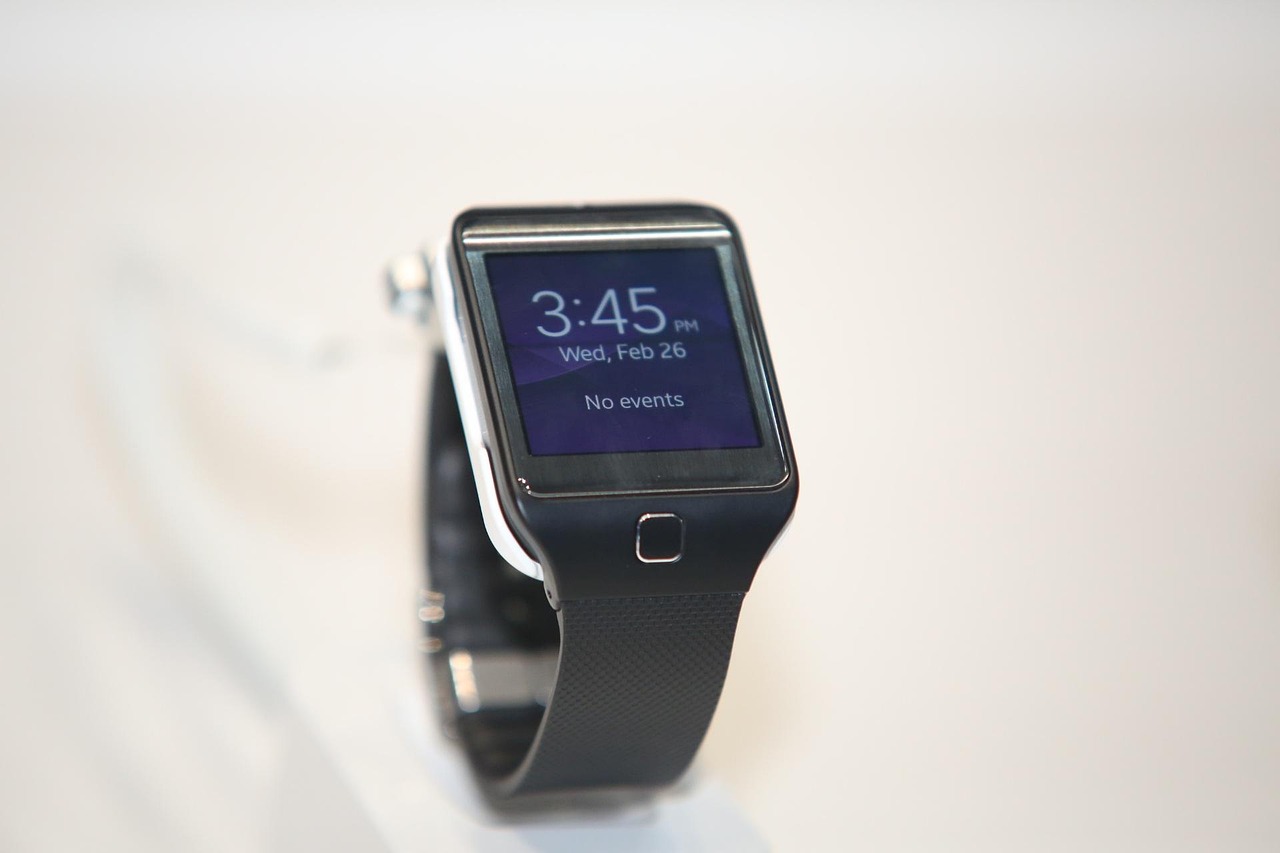
Wearable technology has rapidly become a cornerstone in workplace ergonomics. Individuals working in various sectors face challenges linked to repetitive tasks and poor posture that can lead to injuries. These injuries not only affect the health of employees but can also incite significant costs for businesses through healthcare expenses and reduced productivity. This is where wearable technology plays an integral role by providing real-time data to manage and improve ergonomic conditions. These devices are designed to detect posture, motion, and other factors that may indicate ergonomic risks. The continuous monitoring allows organizations to promptly adjust workstations or modify tasks actively. Moreover, it fosters a culture of safety that encourages workers to take preventative measures on the job. By utilizing this technology, companies can create a proactive approach towards injury prevention and enhance the overall work environment. As a result, this ultimately contributes to a healthier and more productive workforce. The adoption of wearable devices is thus not just a trend but a vital necessity for today’s workplace ergonomics.
Wearable devices can offer valuable insights into employee health and performance. These devices are often equipped with advanced sensors and software that allow for collecting data about posture, movement patterns, and even physical strain levels. Companies are increasingly appreciating the importance of ergonomics to ensure employees are comfortable and safe. This correlates to higher job satisfaction, increased productivity, and reduced turnover rates. When workers have access to ergonomic data, they can better understand their physical workload and adapt their behaviors to minimize strain. For example, feedback from wearable technology can help employees identify improper lifting techniques or prolonged awkward postures. Additionally, healthcare professionals can analyze this data to provide tailored recommendations for enhancing ergonomics in the workplace. In many cases, organizations can see significant improvements in employee health outcomes as well as operational efficiency. By empowering employees with data from wearables, companies foster a culture of health awareness that enhances engagement while reducing costs that are associated with workplace injuries. In conclusion, wearable technology is reshaping the landscape of workplace ergonomics in a significant way.
Furthermore, the implementation of wearable technology raises awareness about ergonomic risks and encourages collective responsibility among employees. When individuals are aware of the potential risks associated with their tasks, they tend to be more proactive in adopting safer practices. Organizations that promote the use of such technology create a culture that values health and preventive measures among all employees. This proactive approach can lead to a substantial reduction in the incidence of work-related injuries. Empowering employees with knowledge about their body mechanics leads to better decision-making at work. Moreover, peers can work collectively to support each other in maintaining good posture and ergonomically sound practices. This team-oriented approach fosters a supportive work environment where individuals feel comfortable discussing challenges related to ergonomics. Subsequently, the synergy created by shared goals and mutual support allows organizations to optimize productivity while maintaining the well-being of their workforce. The benefits extend not only to employees but also to management, contributing to a fundamentally healthier workplace.
The Influence of Organizational Policies
Incorporating wearables into a workplace ergonomics strategy calls for supportive organizational policies. It is crucial for management to recognize that adopting these technologies is just one component of a broader ergonomic effort. Proper policies should complement the use of wearables to ensure that employees feel encouraged to utilize them effectively. Such policies could include regular training sessions to foster an understanding of ergonomic principles and safe practices. Furthermore, businesses should establish clear guidelines on how and when to use wearable devices to ensure they mesh seamlessly with daily work routines. Management commitment is vital in ensuring the adoption of this technology is successful. Additionally, feedback mechanisms should be in place to enable employees to report their experiences using these devices. This feedback can inform ongoing adjustments and improvements in ergonomics initiatives, making the workplace continually aligned with employee needs. Without the support of organizational policies, the potential benefits of wearables may not be fully realized. Therefore, for companies wishing to leverage the advantages of wearable technology in ergonomics, committed and comprehensive strategies are indispensable.
Moreover, organizations must prioritize data privacy and security as they implement wearable technology. Since these devices collect sensitive information regarding employees’ physical movements and habits, safeguarding this data is paramount. Companies should employ appropriate data protection protocols to mitigate risks and ensure compliance with regulations. Transparency is key in building employee trust; organizations must communicate clearly how data will be used and ensure employees understand their rights concerning personal information. By being open about data practices, organizations can foster a positive relationship between management and employees, which enhances cooperation in utilizing wearable devices. It is vital to cultivate a supportive environment where employees feel safe sharing their data. Additionally, organizations can implement access restrictions, ensuring that only authorized personnel manage and handle sensitive ergonomic data. Regular audits of data practices further enhance trust, showing employees that the organization is dedicated to protecting their information. Ultimately, prioritizing privacy-solid procedures will help create an atmosphere of mutual respect and cooperation necessary for successful ergonomic interventions.
The future of workplace ergonomics is continuously evolving with the advancement of wearable technology. The integration of artificial intelligence and machine learning algorithms can further expand the potential of these devices. For instance, predictive analytics could anticipate ergonomic risks in real time, enabling proactive adjustments before injuries occur. Additionally, wearable tech could be enhanced to offer individualized feedback based on a person’s unique biomechanics and activity patterns. As such advancements continue, workplaces will experience a more personalized approach to ergonomics, leading to improved health and productivity. The collaboration between technology and human factors will provide valuable insights into designing better work environments tailored to unique employee needs. Moreover, the potential for interconnectivity between devices could result in real-time collaborative health assessments among team members. Organizations embracing these evolving technologies will lead the pack in creating ergonomic workplaces while prioritizing employee health. By considering both current trends and future developments in technology, companies will be prepared to ensure that their workforce remains safe and healthy in an ever-changing landscape.
Conclusion
In conclusion, wearable technology is transforming how businesses approach workplace ergonomics. The ability to monitor ergonomic risk factors effectively has significant implications for employee well-being and organizational productivity. Employers integrating wearable devices into their workplaces empower their teams to make informed decisions, foster safe practices, and actively contribute to a healthier work environment. The benefits are not limited to reducing workplace injuries but also include increased employee satisfaction and engagement. As technology continues to advance, organizations must remain adaptable and proactive, focusing on both employee needs and technological possibilities. Ultimately, by embracing wearable technology for ergonomics, companies will not only improve working conditions but will also secure a more sustainable and productive future for their workforce.