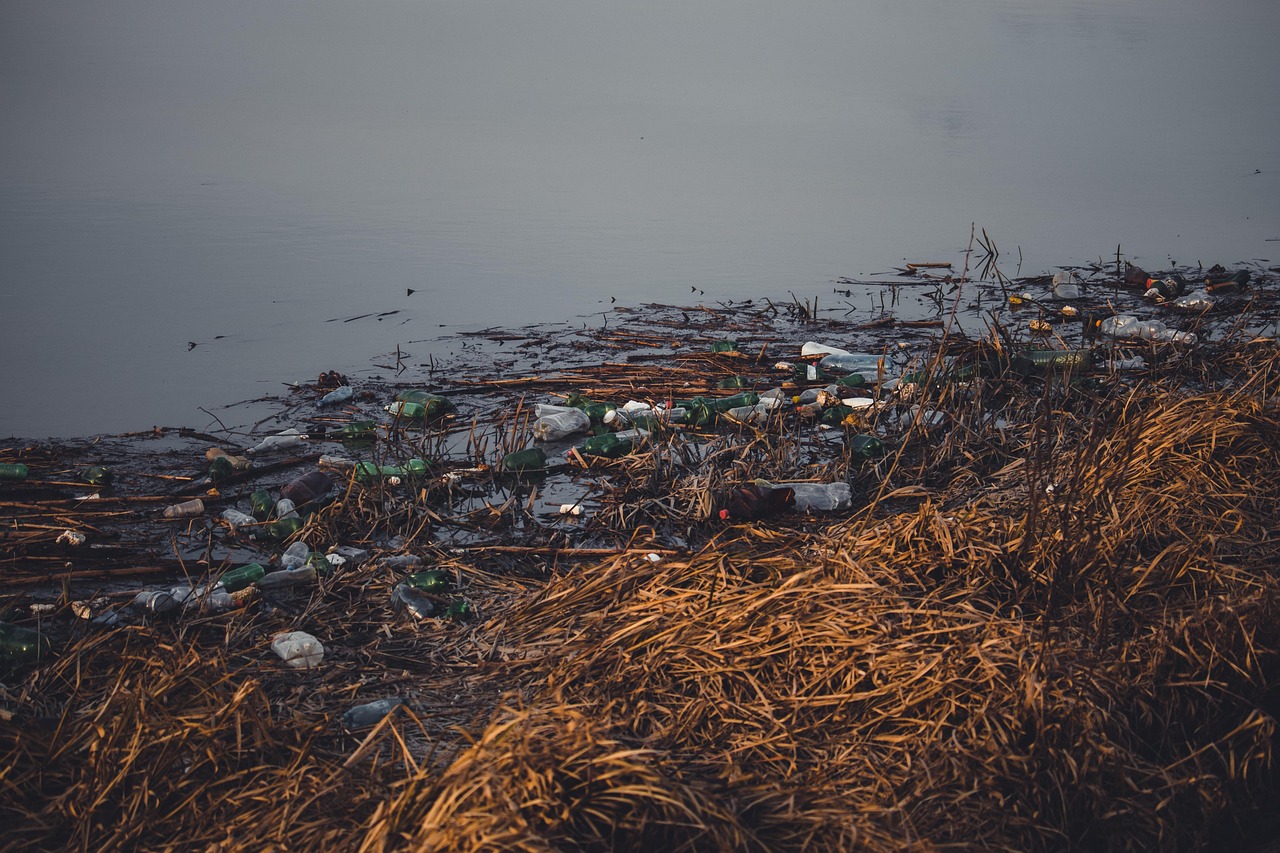

Addressing Microplastic Pollution in Rowing Waters
Microplastics have emerged as a significant problem in the environmental sustainability of various ecosystems, including rowing waters. As rowing gains popularity, the negative impact of microplastic pollution cannot be overlooked. Rowing enthusiasts must recognize the intimate relationship between their sport and the environment. Actions must be taken to rid our waters of these harmful pollutants. Microplastics are created as larger plastic debris breaks down but can have devastating effects on aquatic life. These small particles can absorb toxins and release them into the water, affecting the bioaccumulation in fish and other aquatic organisms. Rowers also play a crucial part in observing and reporting pollution issues within their local waterways. By being vigilant, they can contribute to data collection and advocacy efforts against pollution. It’s vital to engage with local environmental organizations to encourage clean-up initiatives. Support local legislation aimed at reducing plastic waste and promoting sustainable practices. Furthermore, education about the impacts of microplastics on rowing environments is essential. Initiatives that promote recycling and litter-sorting can significantly contribute to reducing microplastic pollution in rowing areas. Collective action today can preserve rowing waterways for future generations.
Understanding Microplastics and Their Impact
Understanding the sources and implications of microplastics is essential for rowers and environmentalists alike. Microplastics are particles less than five millimeters in size, originating from various sources. The most common sources include the breakdown of larger plastic items, synthetic fibers from clothing, and industrial processes. In the context of rowing, these particles pose risks not only to aquatic life but also to human health. Microplastics can enter the food chain, ultimately affecting those who consume contaminated fish and shellfish. Furthermore, these pollutants create adverse effects in rowing competitions where environmental integrity is paramount. Rowers must advocate for clean waterways to maintain their sport’s reputation and ensure participant safety. They can participate in local clean-up efforts and work with environmental organizations to raise awareness of microplastic pollution within their communities. For example, organizing educational workshops within rowing clubs can enlighten others about responsible practices. Funding research on microplastic prevalence can help direct efforts to mitigate this issue effectively. Continuous monitoring of microplastic levels in popular rowing regions is important. By making strides towards education and advocacy, rowers can foster a cleaner future for rowing environments worldwide.
Another effective approach to combat microplastic pollution lies in community engagement and education. Rowers can amplify their impact by sharing knowledge about the effects of microplastics on local ecosystems. Organizing information sessions and workshops can facilitate learning about responsible boating practices, pollution prevention, and the importance of clean water for rowing. Initiatives such as ‘Adopt-a-River’ programs will be invaluable. By adopting local waterways, rowing clubs can regularly engage in clean-up activities, promoting stewardship and visible commitment to environmental sustainability. Additionally, collaborating with schools and youth organizations educates future generation rowers on the significance of preserving water quality. Such partnerships can lead to lasting changes and inspire upcoming athletes to adopt eco-friendly practices. Members of the rowing community can join campaigns that discourage single-use plastic products. Supporting the imposition of regulations to reduce plastic usage can foster a healthier aquatic ecosystem. The role of advocacy cannot be understated; therefore, rowers should champion causes that address plastic pollution at the local and national levels. With every action taken today, the subsequent outcomes can positively influence rowing environments for years to come. Ultimately, post-event cleanliness, including proper waste disposal, serves as a testament to the community’s commitment.
Long-term Solutions and Policies
Long-term solutions are essential to tackle the issue of microplastic pollution effectively. Policymakers must take charge by implementing effective regulations that limit plastic use and waste generation. Establishing guidelines for businesses to reduce plastic packaging and promoting biodegradable alternatives would significantly decrease pollution levels in rowing waters. Moreover, creating awareness campaigns aimed at educating the public about the dangers of plastic waste can bring about societal change. Furthermore, incentivizing the development of innovative materials that replace conventional plastics will also foster sustainable practices. Rowing organizations can collaborate with local governments and international bodies to develop more robust policies against microplastics. In addition, integrating best practices into rowing events can help ensure responsible waste management and cleanliness. Ensuring that event organizers incorporate sustainable methods for supplying water, food, and supplies demonstrates environmental commitment. Advocating for stronger penalties against littering and promoting the use of reusable items is vital. Establishing dedicated task forces or committees within rowing federations can focus on sustainability initiatives. These collaborative actions can inspire a ripple effect of cooperation among sport participants, fostering elevated environmental consciousness in rowing and other related disciplines alike.
To achieve a sustainable future for rowing activities, innovative technologies and research play a critical role. By enhancing monitoring methods to assess microplastic levels in various rowing locations, stakeholders can get better insights into pollution patterns. Investing in research dedicated to developing new filtration systems can also pave the way for cleaner water. The implementation of innovative solutions, such as using drones to monitor waste in water bodies, can significantly improve the situation. Additionally, technology-driven initiatives to process collected plastic waste can efficiently recycle it into usable materials for generating rowing equipment. These advancements can contribute to the circular economy and further reduce reliance on virgin plastics. Rowers should actively promote and adopt green technologies that align with sustainable practices. Developing partnerships with technology firms can foster innovation tailored to the unique needs of rowing and promote waterway cleanliness. Furthermore, working closely with universities or colleges can encourage research projects that focus on sustainable practices within the aquatic environment. Emphasizing collaboration with diverse stakeholders, including government agencies, NGOs, and the scientific community, will establish comprehensive sustainable practices in the rowing sector.
Role of Individual Rowers in Conservation
Every individual rower has a unique opportunity to contribute to conservation efforts aimed at reducing microplastic pollution in our waterways. By adopting personal strategies for environmental stewardship, each participant can make a difference. This could include reducing the use of plastics during rowing practices and events, thereby influencing others in the community. Rowers can create a culture of sustainability by sharing tips on waste reduction and eco-friendly alternatives among their peers. Individuals can also participate in local advocacy initiatives that aim to install regulations preventing plastic waste in water systems. Additionally, promoting conservation ethics within rowing clubs will help embed a strong environmental ethos in team culture. As ambassadors for environmental sustainability, rowers can consider leading community talks or outreach programs focused on ecological awareness. Sharing personal experiences related to pollution and its impact can resonate deeply with others in the community, motivating change. Moreover, organizing social media campaigns can amplify the call to action. Using platforms to showcase clean waterways and conservation efforts can inspire widespread community involvement. Ultimately, the combined efforts of individual rowers can yield substantial benefits, resulting in cleaner rowing environments now and for future generations.
As a final note, the significance of collaboration and unity within the rowing community cannot be overstated. By working together, rowers can significantly amplify their impact in advocating for environmental sustainability. Businesses, local governments, and conservation organizations must unite to address microplastic pollution collectively. Building alliances between competing clubs or associations to work on common projects around waterway cleanliness will foster community spirit. For example, rowing clubs can partner to organize joint clean-up events and share resources. Establishing regular meetings among stakeholders to discuss ongoing challenges related to pollution and sustainability will facilitate communication and coordinated action. Continuous sharing of successful strategies will inspire innovation within the community, leading to effective solutions. Promoting scientific research initiatives that focus on sustainable rowing practices can unify the effort against microplastic pollution as well. Furthermore, leveraging technology and innovation in collaborative settings can enhance outcomes. Through unyielding commitment to collective actions, rowers can safeguard their beloved waterways. Ultimately, the legacy of rowing depends on our collective responsibility towards preserving the environment. Achieving long-term success depends on our commitment to sustainable practices that protect our aquatic ecosystems.