
Building Golf Swing Power: Strength Training Without Equipment
Golf requires physical strength, flexibility, and endurance to perform at your best. Golf strength training without equipment focuses on bodyweight exercises that enhance these attributes, enabling you to optimize your swing. Improving your golf swing power begins with understanding the core muscles involved in each swing. The core includes the abdominal muscles, obliques, and lower back, all crucial for stability and power. Engaging in specific strength training exercises enhances these muscles, translates directly to increased swing speed and added distance. Consider performing exercises like bodyweight squats and lunges, which cultivate leg strength necessary for a powerful swing. Coupled with core exercises such as planks and bridge raises, these movements help build overall stability. Furthermore, working on mobility and flexibility through dynamic stretches will lead to a smoother and more effective swing. High-intensity interval training (HIIT) can also be integrated for cardiovascular endurance, enabling longer rounds without fatigue. Ensuring balance across muscle groups is vital, so integrate exercises that address all major muscle areas, focusing on compound movements.
Bodyweight Exercises for Strength Training
Bodyweight exercises are an excellent way to develop functional strength for golf. They allow for full-body engagement while requiring no specialized equipment, making them accessible for everyone. Start with push-ups, an effective exercise that strengthens the upper body, especially chest, shoulders, and triceps. With a stronger upper body, your swings will have more power and control. Don’t forget to include single-leg exercises like Bulgarian split squats, which build leg strength while also enhancing balance and coordination. Furthermore, consider incorporating resistance bands for various movements if they are available, as they can significantly enhance strength training without needing weights. Side lunges, for instance, are valuable for strengthening the lateral muscles you’ll engage during the swing. Additionally, adding rotational exercises, like medicine ball twists or Russian twists, simulates the movements you make when swinging a golf club. These exercises build strength and promote the necessary coordination to perform effectively. Use multiple sets of these exercises with proper rest intervals to allow muscle recovery, ultimately leading to better performance.
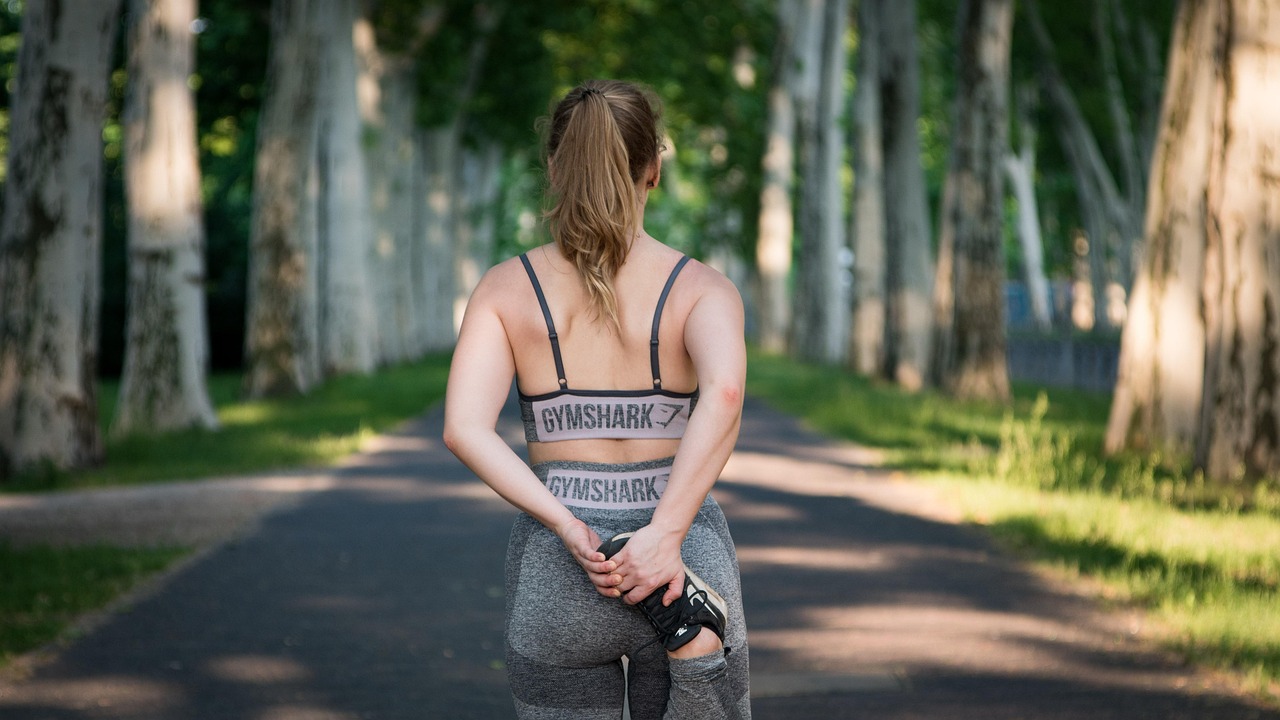
The role of flexibility cannot be overstated when discussing golf strength training without equipment. Flexibility allows for a greater range of motion, which is critical in executing an optimal swing and avoiding injury. Incorporating yoga stretches or dedicated flexibility routines into your regimen is highly beneficial. Focus on major muscle groups such as the hips, shoulders, and back, where most of the swing’s power originates. Effective stretches include the hip flexor stretch, which opens the hips, and the chest opener stretch, which encourages shoulder mobility. Dynamic stretches before your golf sessions, such as arm circles and torso twists, help warm up the body. Spending even just a few minutes a day on these flexibility exercises can lead to noticeable improvements in your swing mechanics. Emphasizing the importance of cooldown stretches post-workout is crucial, as it aids in muscle recovery and reduces soreness. Stretching is often overlooked and often underestimated, but commitments to flexibility will yield significant benefits in your game. A flexible body also contributes to improved balance, enhancing overall athletic performance in golf and beyond.
Setting Goals and Monitoring Progress
Achieving strength in golf requires setting realistic goals and monitoring your progress along the way. Begin by identifying specific areas you want to improve, whether it’s swing speed, distance, or overall fitness. Short-term goals can be set to build momentum, while long-term goals can keep you motivated. Use consistency as your guiding principle, aiming to train regularly to build strength over time without risking injury. Keep a training log to document your workouts, track exercise performance, and monitor progress, adjusting your goals as necessary. This method not only keeps you accountable but allows you to celebrate milestones along your journey. Visualizing your success creates a powerful psychological boost and can significantly influence motivation levels. You can also incorporate self-assessing techniques, evaluating how each session impacts your game. Don’t forget to seek feedback from knowledgeable coaches or trainers, who can provide insights that self-assessment may miss. Enthusiasm is key—commit to the process, remain open to learning, and build a robust support system, surrounding yourself with like-minded individuals who share your goals.
Nutrition plays an essential role in your established strength training regimen. Fueling your body with the right nutrients ensures you have the energy to perform and recover effectively. Focus on a balanced intake of carbohydrates, proteins, and fats, as each macronutrient serves a specific purpose. Carbohydrates provide energy for your workouts, while proteins are necessary for muscle repair and recovery. Healthy fats serve as a vital energy source and support overall health. Incorporate a variety of fruits, vegetables, whole grains, and lean proteins into your meals, ensuring you consume enough vitamins and minerals critical for performance enhancement. Hydration cannot be overlooked, as it affects energy levels and overall performance on the course. Aim to drink adequate water before, during, and after exercise, ensuring your body remains hydrated, especially during long rounds or training sessions. Additionally, consider timing your meals appropriately; consuming the right foods at the right time can significantly impact your strength and recovery phases. Meal prepping can help in maintaining energy levels, providing you with convenient access to nutritious options to support your golf fitness goals.
Incorporating Cardio for Endurance
Cardiovascular conditioning is an integral part of golf strength training without equipment. Enhanced endurance is essential for maintaining performance deep into a round, reducing fatigue, and keeping focus. Engaging in activities like running, cycling, or even brisk walking can strengthen your heart and improve lung capacity. Incorporating short, high-intensity interval training (HIIT) sessions can elevate your cardiovascular fitness while optimizing your time. For instance, alternate between periods of sprinting and walking, allowing your body to experience varied intensity levels during your workout. Not only does this boost endurance, but it also has the added benefit of increasing metabolic rates following your sessions. Aim to incorporate at least 150 minutes of moderate-intensity aerobic exercise each week. Fun activities like dance, swimming, or group fitness classes can make this requirement enjoyable and engaging. Incorporating yoga or Pilates into your routine can contribute to both your cardiovascular health and flexibility. Remaining physically active outside of golf not only promotes overall well-being but also enhances mental focus and resilience needed for success on the course.
The world of golf fitness continues expanding, with newer methods and philosophies emerging regularly. Staying updated on effective training techniques is vital in ensuring your routine remains effective. Online resources, courses, and communities are abundant; take advantage of them to find new workouts or gain fresh perspectives. Tools such as apps and online fitness platforms provide personalized routines that can enhance your training. Engaging with local golf fitness communities allows for shared knowledge and motivation while creating camaraderie among players seeking improvement. Never underestimate the value of connecting with trainers and coaches who specialize in golf fitness; they possess insights that can significantly accelerate your development. Along with proper strength training techniques, integrating foam rolling for muscle recovery can aid in performance improvement. It reduces muscle tightness and enhances flexibility, contributing to better range of motion during your swing. Experimenting with fitness trends, like functional training and balance workouts, will keep your regimen exciting while helping maintain focus. Empower yourself with the knowledge and tools needed to reach your golf performance goals; this commitment to growth is crucial for every golfer.
The Importance of Recovery
Recovery is an often-overlooked aspect of strength training. Adequate rest and recovery facilitate muscle repair and growth, especially after intense training sessions. Not only does incorporating recovery days help avoid overtraining, but it also contributes to improved overall performance on the golf course. Schedule at least one or two rest days each week, allowing your body time to rejuvenate. Techniques such as foam rolling and stretching can expedite the recovery process, enhancing muscle flexibility and reducing soreness. Engaging in active recovery, like light walking or yoga, can also keep blood flowing without putting stress on your muscles. Sleep is crucial for overall recovery; your body repairs itself during sleep cycles, making it vital to prioritize quality sleep each night. Aim for seven to nine hours of uninterrupted sleep to maximize recovery benefits. Additionally, consider incorporating periodic deload weeks in your training cycle. Deloading allows you to take a few days of lighter workouts to reduce body stress while still adhering to a consistent training routine. Understanding and implementing effective recovery methods can significantly enhance your performance and overall golf experience.