
Full-Body Resistance Band Workout with Kettlebells for Beginners
Incorporating resistance bands into your fitness routine can provide an effective way to vary your workouts and enhance your results. Resistance bands are versatile and allow for a full-body workout that targets multiple muscle groups. Pairing resistance bands with kettlebells adds another layer of challenge and effectiveness. This combo not only increases the resistance but also engages more muscles, promoting better stability and strength. As a beginner, understanding the fundamental movements will set the stage for success. Start by familiarizing yourself with basic exercises that utilize both tools seamlessly. A full-body workout regime should include exercises targeting the upper body, lower body, and core. The goal is to develop overall strength and improve mobility. Utilizing resistance bands alongside kettlebells keeps the workouts engaging and challenging. Moreover, the bands offer adjustable resistance, making it easy for beginners to modify their workouts. Using these two tools together can significantly improve your performance and body tone. Keep in mind that maintaining proper form while exercising is critical to avoid injuries and maximize efficiency. Don’t rush; instead, focus on mastering each movement carefully.
Getting Started with Resistance Bands and Kettlebells
Before embarking on your fitness journey with resistance bands and kettlebells, it’s important to assess your fitness level and understand the basics. Start by choosing the right resistance band; they come in varying levels of resistance. Lighter bands are ideal for beginners, allowing you to develop strength and technique effectively. Kettlebells vary in weight as well, so select one that you can handle comfortably. A 5 to 10-pound kettlebell is a good starting point for many beginners. Warm up for 5-10 minutes before exercising to prepare your muscles and prevent injury. After warming up, focus on mastering basic movements with both tools. Perform exercises like squats, lunges, and rows using the resistance bands while integrating kettlebell swings. This combination naturally challenges your muscles, enhancing endurance and strength. Ensure to perform each exercise in a controlled manner by prioritizing form over speed. Gradually increase resistance as you grow stronger and more confident. A structured approach to your workouts will yield better long-term results. Remember, consistency is key in any fitness journey.
Once you’ve mastered some basic exercises with resistance bands and kettlebells, you can develop a more structured workout. For beginners, a well-designed routine can consist of approximately 30 minutes of workout, divided into sets. Start with one set of each exercise and gradually progress to three sets as your strength improves. A general guideline is to allow 30 seconds of rest between sets for recovery. Incorporate full-body movements that utilize both the bands and kettlebells effectively. For instance, performing kettlebell deadlifts integrated with band rows can target your back, glutes, and hamstrings simultaneously. Additionally, a squat to press with both tools engages your upper body and lower body muscles harmoniously. The beauty of this workout style is in its adaptability; you can easily modify exercises based on your comfort level and desired intensity. Decreasing band resistance or kettlebell weight can help you perform movements with greater ease. It’s essential to listen to your body and adapt your routine as necessary, ensuring that every aspect of your workout feels manageable and efficient.
Sample Full-Body Workout Routine
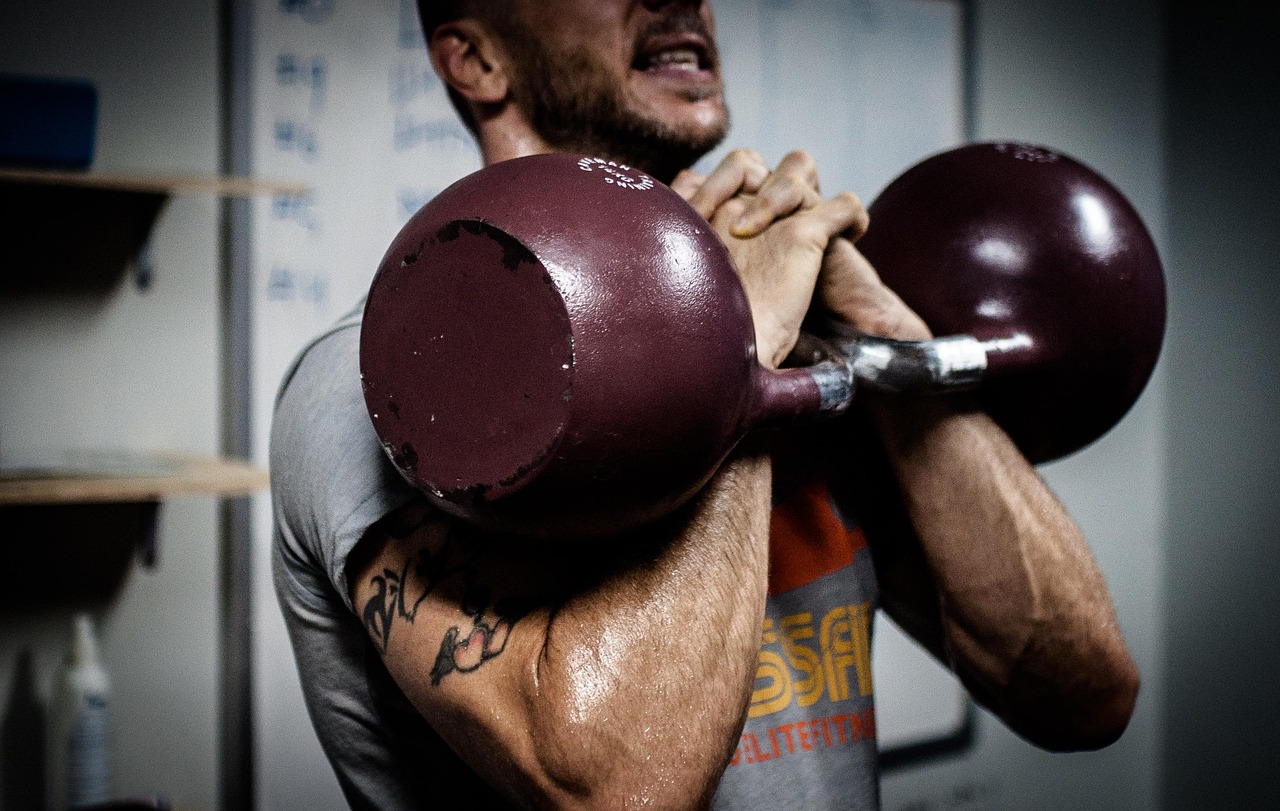
Here’s a simple full-body workout routine you can follow, designed for beginners using resistance bands and kettlebells. Start with a warm-up to get your body ready. Begin with 10 kettlebell swings followed by 10 band-resisted rows, ensuring proper form throughout. Proceed with 10 squats while pressing the kettlebell overhead, which will challenge both strength and stability. Next, move onto a banded chest press for 10 repetitions; find a sturdy anchor to secure the bands. Follow this by executing 10 deadlifts with kettlebells, focusing on keeping your back straight. Repeat the whole circuit two to three times, allowing for a minute’s rest between sets. Gradually increase the difficulty by either increasing kettlebell weight or choosing a thicker resistance band. This structure provides a full-body workout while ensuring that you advance in strength, endurance, and coordination over time. To wrap up, always include a few minutes of cool-down stretches for muscle recovery. Engaging in stretching prevents soreness and increases flexibility. Consistency in your workouts will also lead to long-term success.
In addition to building strength, resistance band workouts combined with kettlebells improve your overall flexibility. Flexibility plays a crucial role in performance, enabling a broader range of motion. After completing your workout, don’t underestimate the importance of cooling down and stretching. Stretching the muscles used during your workouts will assist in recovery after strength training. Consider incorporating stretches targeting your arms, legs, and core. Stretching helps maintain flexibility and range of motion, essential for optimal performance. Stretching should be done gently, holding each position for 15 to 30 seconds. You may also consider incorporating yoga poses for better flexibility and relaxation. Enhanced flexibility reduces the risk of injury and contributes positively to muscle recovery. Furthermore, paying attention to your breathing during stretching sessions promotes relaxation and awareness. It’s a great opportunity to mentally and physically unwind, concluding your resistance band and kettlebell workout on a positive note. Develop a routine that includes not only strength training but also mobility work. This balanced approach leads to a more holistic fitness journey that benefits your performance and overall health.
Nutrition for Optimal Performance
As you embark on your fitness journey, it’s essential to consider the role of nutrition in achieving your goals. Proper nutrition fuels your workouts, aids in recovery, and contributes to overall health. A balanced diet rich in lean proteins, whole grains, fruits, and vegetables can support your resistance training efforts. Protein is crucial for muscle repair and growth, essential after strength training sessions. Including sources such as chicken, fish, beans, and legumes in your meals can help achieve your daily protein goals. Carbohydrates are equally important, as they provide the energy necessary for high-intensity workouts. Opt for complex carbohydrates like oats, quinoa, and sweet potatoes for sustained energy levels. Don’t forget healthy fats, which help with hormone production and nutrient absorption. Avocados, nuts, and olive oil should become staples in your diet. Stay hydrated, especially during workouts, to maintain performance and recovery. Additionally, monitoring your nutrient timing can enhance workout recovery. Plan meals or snacks rich in protein within a 30-minute window post-workout. This strategy will support muscle rebuilding and enhance your fitness journey.
In conclusion, integrating resistance bands with kettlebells can provide beginners with a challenging yet effective workout solution. Not only do these tools enhance muscle strength, but they also improve flexibility and promote better overall body awareness. Start with basic movements, progressing gradually as you become more comfortable with the techniques. Remember to focus on proper form for each exercise to minimize the risk of injury. Developing a structured workout routine that varies with intensity over time will ensure continuous improvement. Keep track of your progress and adjust the challenges accordingly, whether by increasing weights or resistance levels. Additionally, do not overlook the significance of stretching and post-workout nutrition for optimal performance. Incorporating adequate rest and recovery into your routine is vital for muscle repair and overall progress. Keeping a consistent workout schedule fosters discipline and motivates you to reach your fitness goals. Stay connected with a community or find workout partners; this can enhance your experience and keep you accountable. By establishing these practices, you are well on your way to achieving a full-body workout that fits your beginners’ needs.
Final Thoughts on Your Fitness Journey
The journey to fitness is a continuous process that requires dedication, patience, and a positive mindset. Embracing resistance bands and kettlebells can make workouts exciting and effective, especially for beginners. Always listen to your body; it will tell you when it’s time to push harder or when to rest. Celebrating small milestones will keep you motivated on your journey. Whether your goal is to build strength, improve flexibility, or enhance overall health, the combination of these tools can support your endeavors. Seeking guidance from fitness professionals can also be beneficial, particularly when starting out. They can provide personalized advice and support to enhance your performance. Focus on creating a habit, as consistency is crucial for long-term success. Setting realistic goals will help you maintain a sense of accomplishment throughout your journey. Finally, remember that everyone’s fitness path is unique, and it’s okay to progress at your own pace. Enjoy the process, stay committed, and you’ll find that a healthier, stronger version of yourself is not far away.