
Hydration and Skin Redness: Causes, Prevention, and Treatment in Athletes
Skin redness is a concern for many athletes who may experience this issue for various reasons. Athletes can be particularly prone to skin redness due to factors such as heat, friction, and dehydration. Proper hydration plays a critical role in maintaining skin health and preventing conditions that lead to redness. When the body is dehydrated, skin may become dry and irritated, leading to increased redness and discomfort. Furthermore, exercising in hot or humid conditions can exacerbate this redness, as the body’s cooling mechanisms involve increased blood flow to the skin. This physiological response can lead to temporary flushing, which, in some cases, can worsen existing redness. Moreover, improper skincare during exercise can contribute to irritation. Harsh soaps or environment can strip skin of moisture, causing irritation. To combat these effects, it is crucial for athletes to adopt appropriate hydration strategies and skincare regimens that cater to their specific needs while ensuring proper moisture levels. Understanding the causes and potential solutions to skin redness can empower athletes to take charge of their skin health effectively.
Understanding the Causes of Skin Redness
Several factors contribute to skin redness among athletes. First, excessive heat can lead to vasodilation, which is the widening of blood vessels, increasing blood flow to the skin’s surface and resulting in redness. This is more prominent during intense workouts or training sessions, where the body temperature rises. Another significant factor is friction. Athletes often experience friction from clothing or equipment, which can irritate the skin and lead to redness, especially during prolonged exercise. Dehydration can also cause skin problems. When skin lacks essential moisture, it can become inflamed. Allergens and irritants, such as sweat or specific materials, may exacerbate these reactions. Additionally, underlying medical conditions like rosacea or contact dermatitis can cause or intensify skin redness. Athletes should not overlook the psychological aspect either; stress and anxiety can trigger skin reactions, making assessment essential during training. Identifying these triggers forms the foundation for implementing effective prevention strategies tailored to individual needs and ensuring optimal skin health.
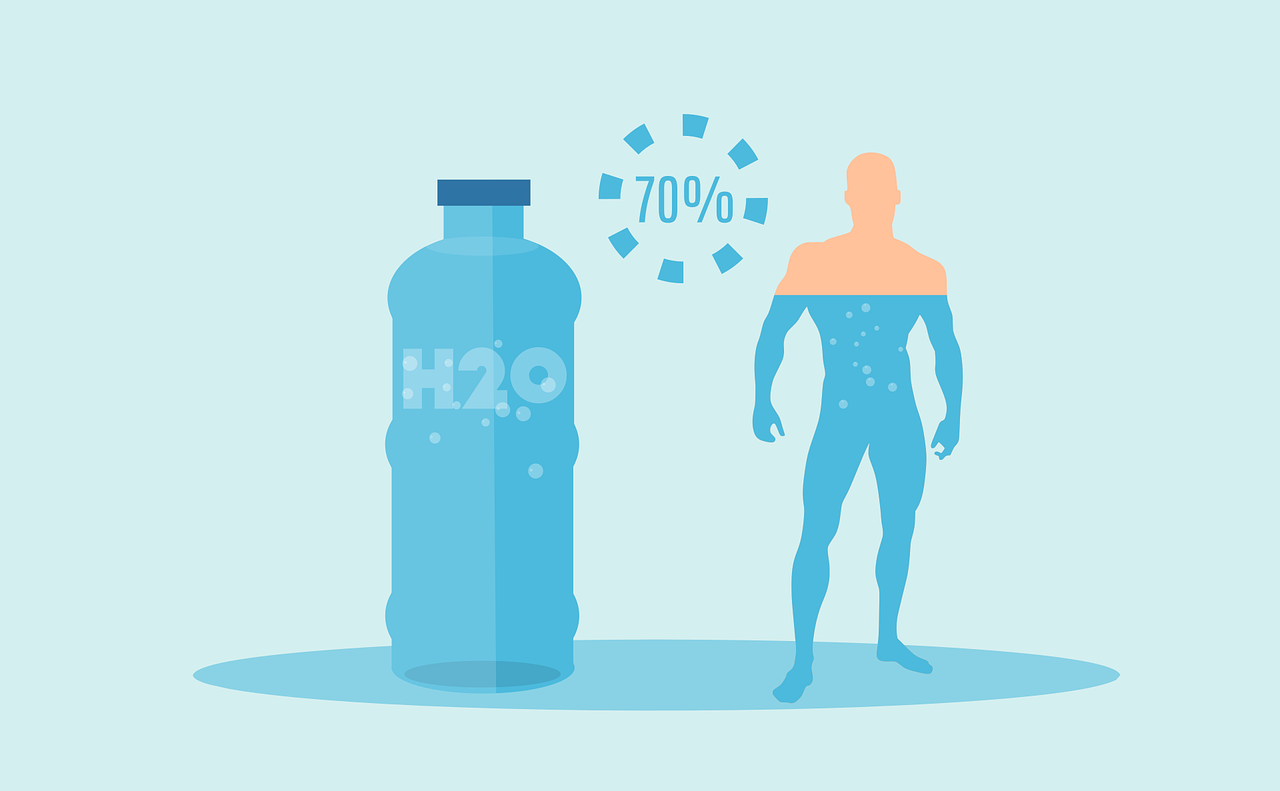
One essential strategy for athletes to minimize skin redness is maintaining adequate hydration. Drinking sufficient water before, during, and after exercise helps keep skin cells plump and functioning appropriately. Water supports nutrient transport and toxin removal within the body, which benefits the skin directly. Additionally, incorporating electrolyte-rich beverages can help replenish lost minerals, especially during extended workouts or in warm environments. Athletes are often excessively sweating, losing not just water but also vital electrolytes, leading to dehydration. A balanced intake of fluids keeps skin moisture intact, reducing the risk of irritation and redness. Furthermore, focusing on hydration also means considering body temperature regulation; cooling the body through hydration can lessen the skin’s inflammatory response. Besides drinking fluids, athletes must also focus on their diets, ensuring they consume foods high in water content, such as fruits and vegetables. By prioritizing hydration, athletes not only optimize their performance but also promote skin health. Being conscious about hydration for skin benefits can lead to better overall wellness and performance.
Preventing Skin Redness with Proper Skincare
Athletes must take a proactive approach to skincare to prevent skin redness during training and competition. Choosing the right skincare products can make a substantial difference; they need to be gentle, hydrating, and suited for sensitive skin. For instance, opting for fragrance-free moisturizers can help maintain the moisture barrier, preventing irritation caused by sweating. Exfoliating regularly, but not excessively, is vital for removing dead skin and allowing new skin to regenerate, reducing redness. Applying sunscreen is equally important; athletes should choose a broad-spectrum sunscreen with a high SPF to safeguard against UV exposure, which can worsen redness over time. After exercising, a soothing post-workout regimen, including hydrating mists or aloe vera gel, can help calm inflammation and redness. Athletes should also consider using skincare products with calming ingredients like chamomile or green tea. Remember that hydration and skincare go hand-in-hand; taking care of one’s skin contributes significantly to overall hydration levels, encouraging a healthy glow. An effective skincare regimen forms an essential cornerstone for managing skin redness effectively.
In addition to hydration and skincare, implementing specific lifestyle habits can also minimize the risk of skin redness in athletes. It is essential to avoid tight-fitting athletic wear, especially during intense workouts, as they can contribute to friction and irritation. Wearing loose, breathable fabrics can help keep moisture away from the skin and minimize heat buildup, thus reducing redness. Incorporating cooling down periods post-exercise is also beneficial; slowly cooling the body will help the skin return to its normal state without unnecessary inflammation. Athletes should also prioritize rest and recovery, as inadequate sleep can contribute to stress and skin issues, including redness. Managing stress through techniques such as mindfulness, yoga, or meditation can also be helpful for maintaining overall skin health. Monitoring the total amount of time spent in the sun and recognizing the signs of skin distress are crucial as well, ensuring that any changes are addressed promptly. By taking these holistic approaches, athletes can create a comprehensive plan to support skin health and prevent skin redness effectively.
Treatment Options for Skin Redness
If skin redness becomes problematic, athletes have various treatment options available to address the condition effectively. Over-the-counter products containing ingredients like hydrocortisone or soothing botanical extracts can help reduce inflammation and redness. However, consistency and following directions are necessary to ensure positive results. When redness persists despite at-home treatments, consulting a dermatologist becomes critical. They may recommend creams or other interventions, including laser treatment for more severe or persistent cases. Additionally, topical antibiotics might be prescribed in cases of suspected infection, demonstrating the importance of accurate diagnosis. Athletes should avoid self-treating with harsh products, which can exacerbate conditions or lead to further irritation. Consistent monitoring of the skin’s response to treatment is essential, allowing adjustments as needed. It’s also helpful to keep a journal documenting reactions to various products. Tracking dietary changes and hydration levels offers insight into what may trigger or alleviate skin issues. Understanding individual responses will guide athletes in their approach to managing skin redness in a personalized manner that addresses their unique needs.
Ultimately, skin redness among athletes is a common issue that necessitates a concerted focus on hydration and skincare. Athletes must be proactive about their skin health by integrating hydration strategies and proper skincare regimens into their routines. Regularly assessing hydration needs and making adjustments according to environmental conditions can help. Being mindful of clothing choices, as well as adopting cooling techniques, can contribute to reducing friction-related irritation. Furthermore, taking a holistic approach to stress management, lifestyle choices, and well-being forms a comprehensive plan for skin health. Including regular dermatologist visits assists in tracking skin progress and addressing concerns immediately; this way, athletes can seek the most effective treatment options as needed. The synergy of hydration and skincare creates optimal conditions for not just skin health but overall performance enhancement. By paying attention to their skin health, athletes empower themselves to perform better while preventing common issues such as redness. Ultimately, promoting skin health through hydration and proper care will lead to enhanced athletic performance and an overall better quality of life.