
The Science Behind Effective Cool-downs in Functional Training
Functional training has become increasingly popular due to its emphasis on real-world movements and physical activities. Among the various aspects of functional training, the cool-down phase is crucial. It allows the body to transition from a state of high intensity to a state of rest. Ignoring cool-down exercises can lead to muscle soreness and even injury. During this phase, muscles gradually release tension, preventing tightness and promoting flexibility. Physiological benefits include improved blood circulation, which aids in the removal of toxins that accumulate during workouts. Furthermore, the body can normalize heart rate and breathing more efficiently. Cool-down techniques should ideally include a combination of stretching and relaxation exercises, focusing on all muscle groups. This holistic approach fosters not only physical recovery but also mental calmness. Athletes and fitness enthusiasts alike benefit from understanding the science behind effective cool-down strategies. Incorporating this knowledge can significantly enhance their overall performance and long-term health. In this article, we will explore various techniques that can maximize the effectiveness of cool-down practices in functional training.
Benefits of Proper Cool-down Techniques
One of the critical aspects of effective cool-down techniques is their numerous benefits that promote overall health and enhance physical performance. Firstly, these techniques aid recovery by gradually reducing heart rate and facilitating healthy blood circulation. As a result, the clearance of metabolic waste products, such as lactic acid, is improved, preventing muscle fatigue. Secondly, implementing proper cool-down exercises enhances flexibility and alleviates muscle stiffness. Stretching during the cool-down phases encourages muscle relaxation and lengthening, which benefits range of motion in subsequent workouts. Moreover, focusing on breath control during cool-down sessions promotes mental relaxation, reducing anxiety and stress levels. This essential mental aspect is often overlooked but plays a significant role in athletic performance. Furthermore, engaging in consistent cool-down routines can reinforce the mind-body connection, resulting in higher overall athletic engagement. Finally, by committing to cool-down exercises as part of a functional training program, individuals can improve their training habits, fostering a sense of discipline and consistency. Therefore, understanding the benefits of proper cool-down techniques can motivate exercisers to include them in their fitness routines for optimal health outcomes.
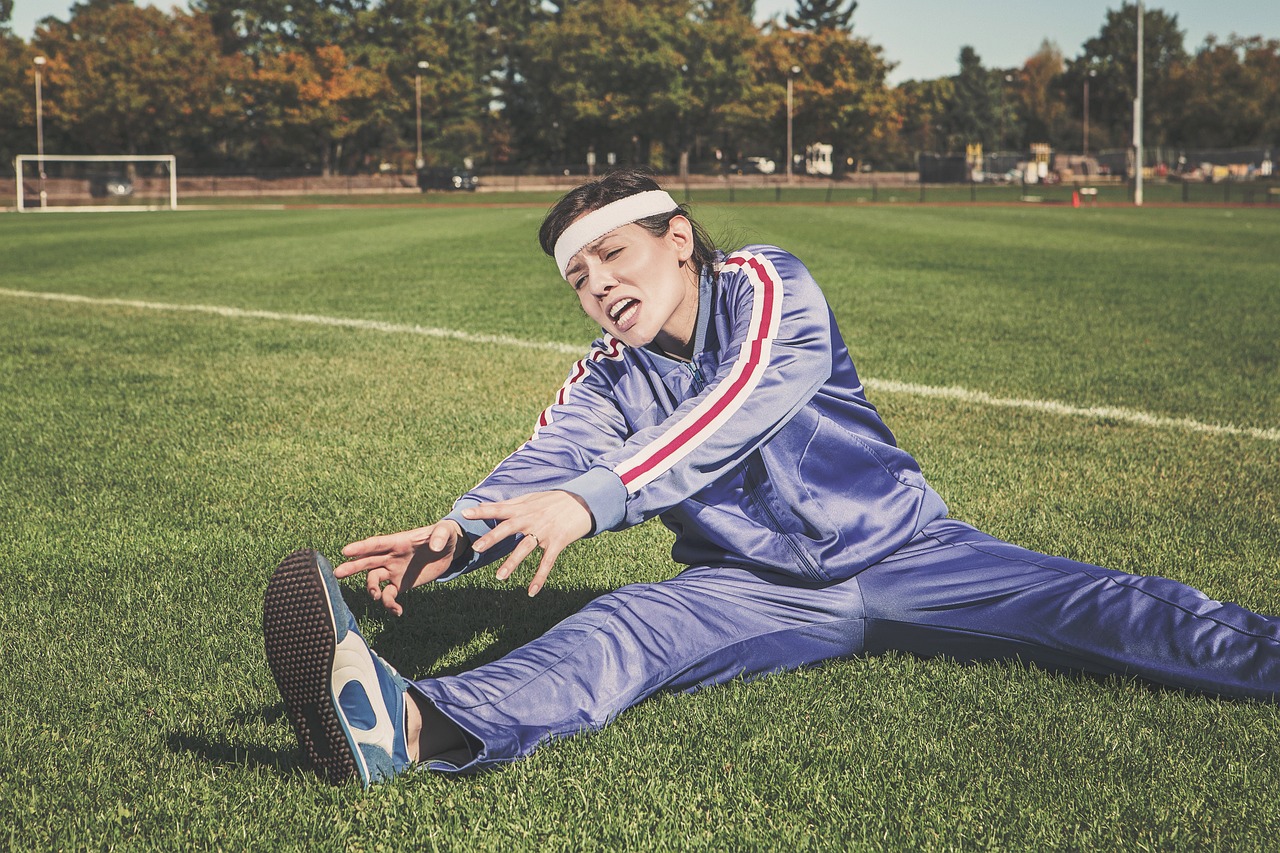
Several effective cool-down techniques can be implemented to optimize recovery and enhance overall performance during functional training. Progressive muscle relaxation is an effective method where individuals systematically tense and relax specific muscle groups, aiding in tension release and creating a sense of comprehensive relaxation. Another beneficial cool-down technique includes static stretching, which involves elongating muscles and focusing on key areas targeted during the workout. This method enhances flexibility, increases blood flow, and decreases muscle stiffness post-exercise. Additionally, incorporating dynamic stretches, which include gentle movements that gradually open up the joints while activating muscle groups, can also promote muscle relaxation. Foam rolling is another effective method during the cool-down phase; it utilizes self-myofascial release to break down tight muscle knots, aiding in quicker recovery. Finally, deep breathing exercises play a vital role in the transition from exercise to rest mode. Combining these techniques fosters an effective cool-down routine tailored for functional training enthusiasts. Selecting and implementing varying cool-down methods meets individual needs and goals while maximizing recovery and overall performance in subsequent workouts.
Integrating Cool-downs in Training Plans
To effectively improve functional training results, integrating cool-down techniques into workout plans is essential. A well-structured training program should include a dedicated cool-down session after each workout, emphasizing its importance. Determine the duration of the cool-down based on the intensity and length of the workout. Typically, 5 to 15 minutes is considered ample time for a thorough cool-down. It is important to select cool-down techniques that address the key muscle groups used during workouts. This individualized approach ensures recovery aligns with specific training objectives. Additionally, allowing adequate time for practice and familiarization with different techniques can help individuals find their preferences. This can lead to an increased willingness to engage fully within the cool-down phase. Another valuable tip is to combine cool-down activities with mindfulness practices, such as meditation or light yoga. This combination enhances the physical benefits of cooling down while promoting mental clarity and focus. Prioritizing cool-downs in functional training enhances not only individual performance but overall enjoyment of each workout. Adapting this mindset fosters a more holistic approach to training, which promotes long-term success.
Common mistakes made during cool-down routines can negate their effectiveness and potentially lead to adverse outcomes. One major mistake is rushing through the cool-down phase, underestimating its importance for recovery. Skipping or shortening workouts to allocate minimal time for cool-down may lead to muscle tightness and limited flexibility in the long run. Another frequent issue is neglecting to target specific muscle groups affected during workouts. Individuals may stretch some muscles while ignoring others, creating imbalances in flexibility and strength. Additionally, many people tend to perform static stretches too aggressively or with improper techniques, risking injury in the process. Instead, focusing on gradual releases during stretching and moderate pressure is key. Engaging in high-intensity activities immediately after workouts may also set the stage for injury. Therefore, gradually transitioning to light movements or relaxation techniques is paramount. Lastly, overlooking the mental aspect of cool-down routines can lead to undervaluation of their importance. A successful cool-down encompasses both physical and mental relaxation, promoting optimal recovery for the entire body. By addressing these common pitfalls, individuals can maximize the efficacy of cool-down routines, ultimately benefiting their performance.
Personalizing Your Cool-down Approach
Personalizing a cool-down approach is essential to cater to individual needs and preferences during functional training. Different individuals may require varying techniques based on their fitness levels, workout intensity, and specific focus areas. Assessing personal fitness goals can help determine the most beneficial strategies for each person. For example, someone focused on strength training may require targeted stretches for their muscles, while another individual working on endurance might benefit more from gentle movements that enhance recovery. Therefore, tracking personal progress can help in adjusting and honing cool-down sessions over time. Regular evaluations of workout routines can lead to improvements in personalizing cool-down techniques. Additionally, seeking feedback from fitness professionals can provide valuable insights into efficient methodologies tailored to individual needs. Moreover, incorporating variety in cool-down routines can maintain motivation and prevent boredom. Experimenting with different techniques and activities can reveal new preferences and best practices tailored for each individual. Ultimately, understanding the importance of personalizing a cool-down approach is vital for optimizing recovery and ensuring long-term success in functional training endeavors.
The relationship between effective cool-down techniques and sports performance cannot be understated. Numerous studies have shown a significant correlation between well-implemented cool-down practices and improved athletic performance outcomes. Cool-downs help the body prepare for the next training session, enabling athletes to maintain high training frequency and intensity with reduced injury risks. As a result, improved muscle recovery translates to enhanced performance during subsequent workouts, allowing individuals to achieve better results over time. Furthermore, maintaining motivation is also linked to effective cool-down practices. Athletes who integrate cool-down routines into their training appreciate the benefits of reduced muscle soreness and increased flexibility, fostering a more enjoyable experience overall. Therefore, when athletes feel good following their training, they are more likely to adhere to their fitness regimes diligently. Moreover, fostering a culture of prioritizing recovery in training programs can have long-lasting effects on athletes’ mental and physical well-being. In conclusion, understanding the relationship between effective cool-down techniques and sports performance plays a crucial role in optimizing functional training outcomes and ensuring athletes achieve their ultimate goals.
In summary, the science behind effective cool-down techniques in functional training underscores the multifaceted benefits they offer to athletes and fitness enthusiasts alike. By comprehensively understanding how different cool-down methods contribute to recovery and performance enhancement, individuals can make informed choices in their training routines. Emphasizing the importance of proper cool-down practices ensures overall fitness progress and promotes long-term health. As the training landscape evolves, the role of cool-downs will only become more significant, bridging the gap between intense workouts and optimal recovery. Engaging in personalized cool-down routines helps foster a sense of discipline, which can further enrich training experiences. From increased flexibility and reduced soreness to enhanced mental well-being, the advantages of integrating effective cool-down techniques into functional training are undeniable. Ultimately, encouraging consistent cool-down practices cultivates an environment that values not just training intensity, but holistic wellness. Aspiring athletes must recognize the power of recovery as a crucial component of athletic performance. As we embrace the science behind effective cool-down techniques, we can look forward to maximizing our potential and achieving new heights in functional training.