
Sleep Hygiene and Aromatherapy: Techniques for Better Recovery
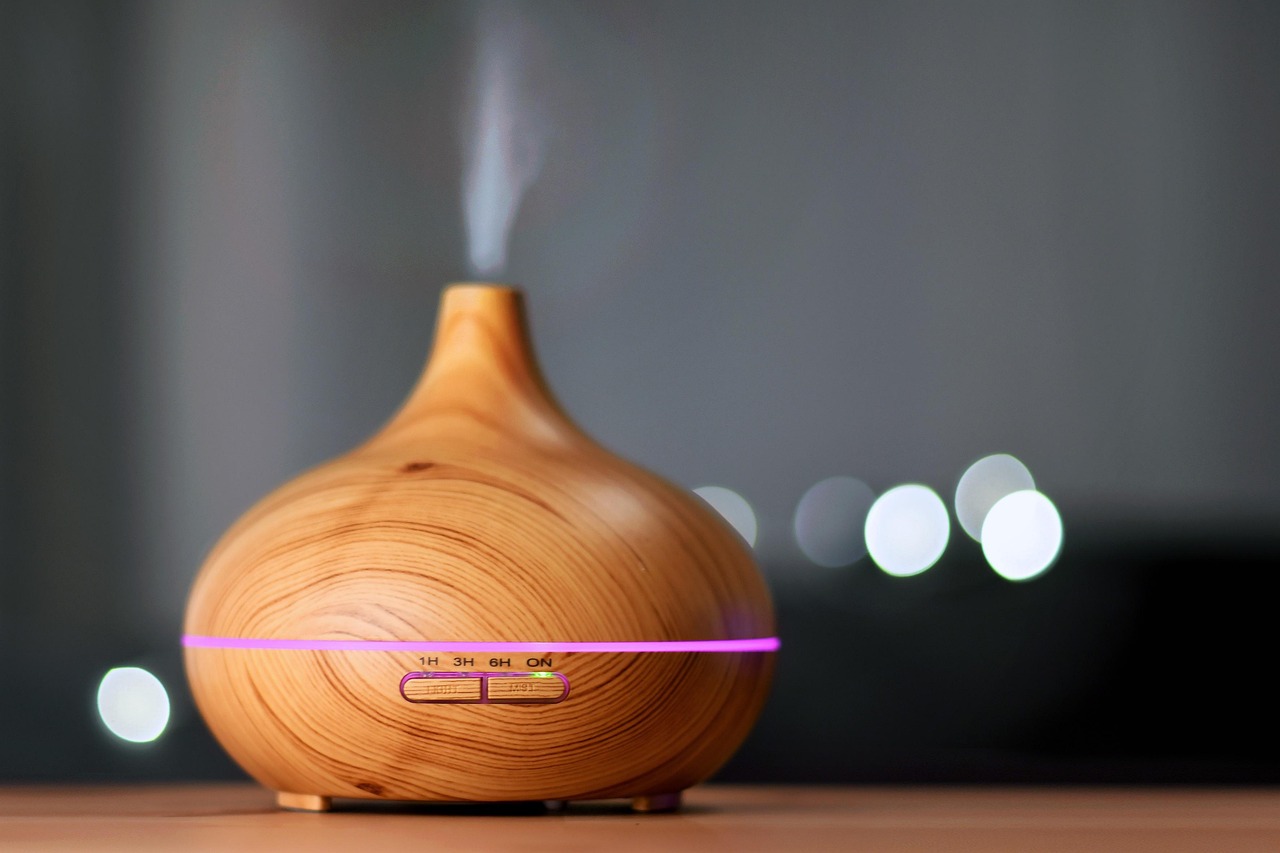
Sleep is essential for overall health and wellness, significantly impacting our daily energy levels and cognitive functions. One effective approach to enhancing sleep quality is through aromatherapy, which utilizes essential oils to promote relaxation and tranquility. Certain scents such as lavender, chamomile, and bergamot are renowned for their calming effects. When incorporated into our nightly routines, these aromas can create an environment conducive to restful sleep. Diffusers, pillow sprays, and massage oils are common methods of using aromatherapy, allowing individuals to choose what works best for them. It is crucial to select high-quality essential oils, as their purity directly influences effectiveness. Additionally, establishing a consistent sleeping schedule and ensuring that your sleep environment is comfortable can further enhance the benefits of aromatherapy. Creating a relaxing atmosphere through dim lighting or soft music also complements the calming effects of essential oils. Exploring these practices while considering individual preferences can lead to more restorative sleep experiences. Prioritizing both sleep hygiene and aromatherapy can help achieve better recovery, enabling individuals to wake up refreshed and prepared for the demands of the day.
Integrating Aromatherapy into Your Sleep Routine
To maximize the benefits of aromatherapy for sleep, it is important to develop a consistent routine. Begin by setting aside time each night to unwind and disconnect from daily stressors. Consider using a diffuser in your bedroom to disperse calming scents into the air. Essential oils such as sweet orange, cedarwood, and patchouli have soothing properties that can support the body’s natural sleep cycle. Another option is to create a bedtime ritual that includes a warm bath infused with essential oils, helping to relax muscles and calm the mind. Additionally, using an essential oil roller, you can apply diluted oils to pulse points like your wrists or neck. This method allows the aroma to remain close while you drift off to sleep. Remember to experiment with various scents to identify which essential oils resonate with you personally. Incorporating meditation or gentle stretching can also enhance relaxation as part of your routine. By prioritizing self-care practices combined with the power of aromatherapy, you can improve not only sleep quality but overall well-being, leading to enhanced recovery and rejuvenation.
The Benefits of Aromatherapy for Sleep
The use of aromatherapy has been linked with numerous benefits that positively affect sleep quality. Aromatherapy can help reduce anxiety and stress by activating the olfactory system, influencing mood and emotions. Essential oils such as lavender have been extensively studied for their ability to promote relaxation and alleviate insomnia. Studies indicate that inhaling lavender oil before bedtime can lead to longer sleep duration and improve sleep efficiency. Moreover, incorporating this practice into your routine may help lower cortisol levels, the hormone charged with managing stress, enhancing your ability to achieve deeper sleep states. This practice can also lead to less nighttime awakenings, contributing to overall sleep satisfaction. Furthermore, using aromatherapy before bed can enhance your emotional well-being, creating a calming atmosphere that signals to your body that it is time to wind down. These benefits can be particularly helpful for those experiencing sleep disturbances due to life changes, stress, or anxiety. As a versatile tool for promoting better sleep hygiene, aromatherapy stands out as an effective complement to traditional sleep strategies, making it easier to achieve restorative sleep night after night.
Essential Oils to Consider
With various essential oils available, selecting the right ones can significantly enhance sleep and recovery. Lavender oil is arguably the most famous for promoting relaxation, known historically for its soothing properties. Chamomile is another oil often praised for its calming effects, particularly beneficial when used in tea form before bedtime as well. Bergamot, a citrus oil, can alleviate tension and anxiety while enhancing mood, making it a great addition to your evening routine. Additionally, cedarwood oil has woodsy notes that promote feelings of safety and calmness, ideal for creating a restful environment. Sandalwood oil is also excellent for its grounding properties, which may help with anxiety relief. To experience the full benefits of these essential oils, consider blending your favorites into a single product tailored to your preferences. Whether using a diffuser, inhaler, or topical application, ensure that you follow the appropriate dilution guidelines for safety. Experimenting with different oils and combinations allows you to discover which aromas resonate with you, shaping a personalized aromatherapy experience that nurtures restfulness and rejuvenation in your life.
Creating an Ideal Sleep Environment
Beyond the use of essential oils, there are several ways to cultivate an optimal environment for sleep. Start by ensuring that your bedroom is conducive to relaxation, focusing on factors such as light, sound, and temperature. An ideal sleep environment is generally dark, quiet, and cool. Consider utilizing blackout curtains to block outside light and earplugs or white noise machines to minimize disruptive sounds. The choice of bedding and sleep accessories can also make a significant difference; investing in a comfortable mattress and quality pillows tailored to your sleep position can enhance sleep quality remarkably. Furthermore, maintaining a clean and tidy room fosters a sense of peace and eliminates distractions, allowing your mind to unwind. Aromatherapy can synergize perfectly with these elements, further creating a sanctuary for restful nights. You may also explore the option of incorporating guided meditation or calming music to your pre-sleep routine, enhancing relaxation. By thoughtfully curating your sleep environment, you can support your body’s natural recovery process while maximizing the benefits of aromatherapy for deeper and more restful sleep.
Potential Side Effects and Safety Considerations
While aromatherapy can be a powerful ally in promoting sleep, it is important to be aware of potential side effects and safety considerations. Not all essential oils are suitable for every individual, as some may cause allergic reactions or irritations. It is vital to perform a patch test on your skin before applying new essential oils topically. Additionally, pregnant or nursing individuals should consult healthcare providers before using aromatherapy due to varying sensitivities. Proper dilution of essential oils is essential to avoid skin irritations and adverse reactions; always consider using a carrier oil when applying oils directly to the skin. Children and pets may also react differently to essential oils, so consult a professional about safe practices when using aromatherapy in shared household spaces. Choosing high-quality, organic essential oils can mitigate safety concerns, ensuring that you are using products free from synthetic additives or pesticides. Staying informed and cautious allows you to fully enjoy the benefits of aromatherapy while minimizing any risks associated with improper use or exposure.
Conclusion: Embrace Aromatherapy for Better Sleep
Incorporating aromatherapy into your sleep hygiene practices can yield profound benefits for your overall well-being and recovery. By understanding the role of different essential oils and how to safely integrate them into your nightly routine, you can cultivate an oasis of tranquility conducive to restful sleep. Establishing a calming bedtime ritual, combined with an ideal sleep environment, maximizes the effectiveness of aromatherapy. Remember that sleep is not just about quantity; it’s about quality, and the synergy of these practices can significantly enhance both. Embrace the variety of techniques available to discover what resonates best with you; whether it’s through diffusion, topical application, or relaxing baths, there are multiple paths to achieving deeper sleep. Prioritize self-care and invest time in nourishing your body and mind. As you embark on this journey toward improved sleep hygiene and recovery, consistently implementing these strategies can lead to more enjoyable and restorative sleep, helping you awaken refreshed and ready to face each day with vitality.
This is another paragraph with exactly 190 words…