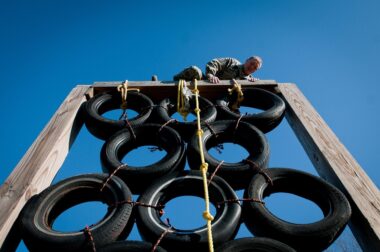

Preventing Wrist Injuries During Obstacles: Tips and Exercises
Obstacle course racing can be thrilling and physically demanding, but it often leads to various injuries, particularly to the wrists. Preventing wrist injuries is crucial for any participant in these events. The wrists are essential structures in several common obstacles, such as rope climbs, wall climbs, and balance beams. Engaging in rigorous activities can put immense pressure on these joints, leading to sprains or fractures. Therefore, understanding how to effectively reduce risk is vital for aspiring racers. Various strategies can aid in minimizing injuries, including proper warm-up routines, specific strengthening exercises, and ensuring appropriate techniques during obstacles. Safety should always be a priority, as small adjustments in technique can create significant reductions in injury rates. Those who focus on their wrist health are not only likely to improve performance but can also ensure longevity in the sport. This article will provide valuable tips and exercises tailored to help prevent wrist injuries, focusing on strength building, technique refinement, and essential recovery practices. Stay tuned to discover how to protect your wrists while enjoying the thrill of obstacle racing, enabling athletes to overcome challenges efficiently.
Warming Up: Essential for Injury Prevention
A thorough warm-up can make a significant difference in preventing injuries. Before participating in obstacle course training or races, performing specific wrist stretches and mobility exercises is advised. This helps to increase blood circulation and flexibility, ensuring that the joints are prepared for strenuous activities ahead. Some effective warm-up exercises include wrist circles, flexor and extensor stretches, and dynamic wrist movements. Take a few minutes to engage in these exercises to enhance flexibility while reducing tension that may lead to injuries. Additionally, focussing on your grip strength and overall hand function can assist in reducing the risk of wrist injuries during challenging segments of your training or competitions. Engaging with tools like fatigue-resistant grips and forearm training equipment can build hand strength effectively. Beneficial warm-up routines can create a solid base for improved performance and endurance as the wrist joints act as support structures during the obstacles faced in a race. Skipping warming up not only increases injury risk but may also hinder overall success or satisfaction during your racing experience.
Incorporating strengthening exercises into a regular training regimen is vital for preventing wrist injuries. Strength building should target both the wrist flexors and extensors to maintain a balanced muscle structure. A combination of exercises like wrist curls, wrist extensions, and reverse curls can enhance overall wrist strength and resilience. These exercises isolate the muscles used during racing activities, ensuring that the wrists are capable of handling the stresses from various obstacles. Furthermore, incorporating these into your routine can increase grip strength, crucial for effective pull-ups and climbs during races. Additionally, consider adding resistant bands for rehabilitation, providing versatile options for training. By targeting specific muscle groups surrounding the wrist, aspiring racers can fortify themselves against potential injuries. It’s beneficial to start with lighter weights and gradually increase loads to avoid unnecessary strain. Always consult a professional before initiating any exercise program to ensure proper form and suitability for personal skill levels. With ongoing commitment, these targeted exercises can be highly effective in generating strength that translates well into improved performance during races.
Technique Refinement: A Critical Component
Perfecting your technique can significantly mitigate the risk of wrist injuries. Learning the correct form when approaching obstacles is essential for safely navigating races. Whether climbing, jumping, or balancing, focusing on your body mechanics can relieve undue stress on your wrists. For instance, using your legs more during climbing can reduce the amount of force exerted on your wrists, leading to safer transitions during obstacles. Observing professional racers and learning from their styles can provide insights on how to handle specific challenges effectively. Working with a coach or attending workshops can also enhance your understanding of body position and movement patterns related to your wrists. Practicing these techniques in a controlled environment ensures readiness for race day, translating into more agile and safe performance during actual competitions. Regularly reviewing and self-evaluating your performance allows for timely corrections of poor techniques before injuries arise. Moreover, take notes during sessions to track improvements and areas needing further focus. Establishing a strong foundation built on proper technique is instrumental in minimizing injury risks and maximizing enjoyment.
Recovery plays an equally crucial role in preventing wrist injuries. Post-workout and post-race recovery techniques should never be overlooked. Engaging in cool-down stretches specifically targeting the wrists after rigorous activities can promote healing and flexibility, ensuring muscles do not tighten excessively. Techniques like ice therapy, contrast baths, or compression may aid in alleviating muscle strain and soreness. Incorporating rest days into the training schedules will allow your wrists adequate time to recover, which is fundamental in injury prevention. It’s essential to listen to your body; if pain persists, seeking professional advice is paramount. Massage therapy or foam rolling may enhance recovery rates, decreasing muscle tension and promoting blood flow. Additionally, prioritizing sleep is crucial, as restorative sleep allows the body to heal itself naturally. Balancing workouts and recovery ensures effective performance while maintaining wrist health. By taking the time to nurture your body post-training or racing, you create an environment that supports growth and resilience against injuries. Actively planning your recovery can lead to long-term benefits and a more enjoyable obstacle course racing experience.
Conclusion: Prioritizing Wrist Health
Wrist health is an integral part of successful obstacle course racing. Prioritizing injury prevention is paramount for any participant aiming to excel in the sport while minimizing downtime due to injuries. By incorporating proper warm-ups, strengthening exercises, technique refinement, and recovery practices into your training regimen, you can create a comprehensive approach to wrist injury prevention. Ultimately, approach your training holistically; balance physical preparedness with mental resilience to handle the inherent challenges of obstacle racing. By adopting these strategies, aspiring racers can not only protect their wrists but also enhance their overall performance. The evolution of wrist health awareness in obstacle course racing helps foster a safer environment for participants. Through proactive measures such as education and self-care, the potential for wrist injuries decreases significantly, allowing greater focus on growth and enjoyment in racing experiences ahead. Remember: every small effort contributes to building a stronger, more resilient racing identity. Stay committed to your training, and celebrate progress while being vigilant about your wrist health. With these strategies in place, the thrill of the race can be your primary focus.
As you dive into the rewarding journey of obstacle course racing, equip yourself with the knowledge required to protect your wrists. Embracing the inherent challenges of both racing and training necessitates an understanding of how to minimize risks while achieving success. Build a solid foundation of strength, technique, and proper recovery practices to enhance your longevity in the sport. The journey will present many obstacles to overcome, but by following the advice shared in this article, you can significantly reduce injury risk. Achieving personal milestones while staying injury-free will deepen your connection to obstacle course racing. Continue exploring additional resources and communities focused on wrist health, such as support groups or forums specializing in sports medicine. Surrounding yourself with informed individuals who share your enthusiasm can only enrich your racing journey. Always remain open to incorporating new strategies into your routines, as advancements in training research are continuously evolving. Embrace this adventure, stay focused on your health, and celebrate every milestone achieved, both on and off the course. Best wishes on your obstacle racing journey, and may your wrists stay strong!