
The Role of Flexibility in Obstacle Course Racing Success
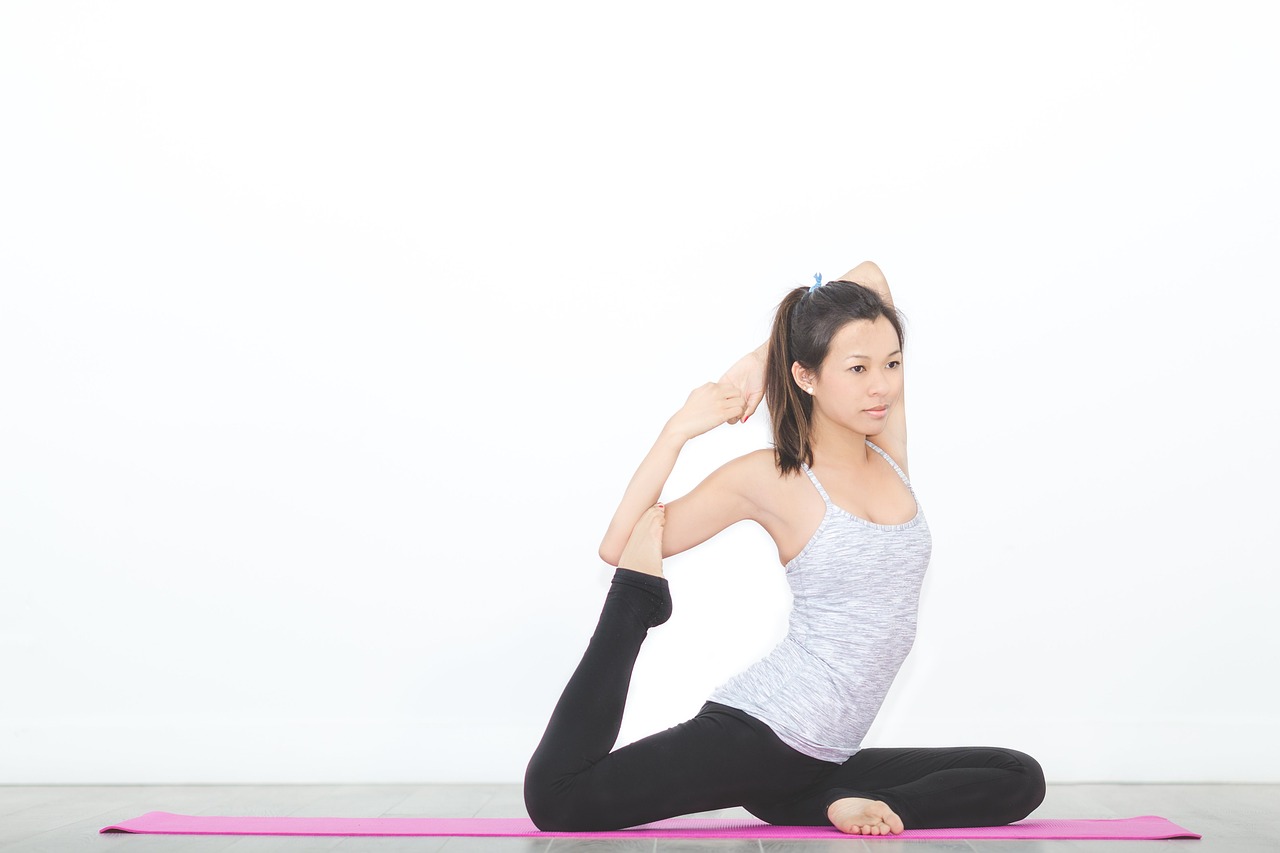
Obstacle Course Racing (OCR) is an exhilarating sport that combines various physical elements, demanding strength, agility, and endurance. One often overlooked component is the importance of flexibility. Flexibility plays a crucial role in allowing athletes to navigate obstacles efficiently while minimizing the risk of injuries. Enhanced flexibility leads to improved movement patterns, making transitions between obstacles smoother and reducing fatigue. Practicing yoga as part of your training can significantly contribute to your flexibility levels. Incorporating specific yoga poses can improve joint mobility, which aids in tackling obstacles like walls, ropes, and uneven terrain. Moreover, being flexible can enhance overall athletic performance by allowing for better muscle recovery and reducing muscle tightness post-workout. This is particularly pertinent for OCR participants who train rigorously. Integrating flexibility training can be as simple as adding a short stretching routine after workouts. Yoga online classes or local sessions provide additional support. Flexibility training not only helps with physical challenges but also fosters mental resilience, which contributes to overall success in OCR. Seasoned athletes understand that improving flexibility is not optional but rather essential for long-term performance and health.
The Benefits of Yoga for OCR Athletes
Yoga offers OCR athletes numerous benefits that extend beyond just flexibility improvement. Primarily, it enhances mental focus and clarity, which are essential during rigorous races. Practicing controlled breathing techniques in yoga can help athletes maintain composure under the stress of competition. Visually, mental resilience plays a critical role in overcoming obstacles. Yoga encourages mindfulness, leading to improved concentration on tasks. Additionally, practicing ethical principles like patience and persistence helps athletes stay positive, especially when facing challenging courses. Another significant benefit is injury prevention. The stretching and strengthening routines in yoga help develop balanced muscle groups, significantly reducing the possibility of strains or tears during OCR events. Engaging in various yoga poses can promote a full range of motion, ensuring the body can adapt to the twisting and turning required by OCR courses. Furthermore, flexibility gained through yoga allows for better postural alignment, which can enhance running form and efficiency. The cumulative effect is a more agile and resilient athlete, ready to tackle any challenge posed by the obstacle course. Therefore, athletes should integrate yoga not only for flexibility but also for its holistic benefits.
Improving endurance is a key factor in overcoming the numerous challenges presented by OCR courses. Yoga complements cardio workouts perfectly as it aids in active recovery. When athletes engage in yoga post their running or intense training sessions, they find relief from muscle soreness and stiffness. This can promote quicker recovery times, allowing them to train more effectively and frequently. Certain yoga poses such as downward dog and pigeon pose can decompress tight muscles and soothe fatigue caused by prolonged workouts. Moreover, maintaining a consistent yoga practice can help athletes build stamina and balance. The integration of deep breathing techniques empowers OCR competitors to enhance lung capacity, contributing to overall endurance. Additionally, flexibility helps improve overall agility which is vital for tackling physical challenges. Athletes must understand that developing flexibility is not just about achieving the splits or touching the toes; it’s about facilitating functional movement patterns that translate directly into their OCR performance. Creating a customized yoga routine that targets key muscle groups used in OCR can maximize training outcomes. Consideration should also be given to the mental stamina developed in yoga, fostering an enduring spirit crucial for racing.
Specific Yoga Poses for OCR
Incorporating specific yoga poses into your regular training regimen can yield numerous advantages for OCR participants. Here are some beneficial poses:
- Warrior I: Strengthens your ankles and knees while opening your hips.
- Tree Pose: Improves balance, vital for navigating uneven terrain.
- Bridge Pose: Strengthens the lower back and opens hips, essential for crawling obstacles.
- Chair Pose: Builds leg strength and stability while enhancing posture.
- Cobra Pose: Promotes spinal flexibility, crucial for climbing walls.
By incorporating these key poses regularly, athletes can enhance their overall physical strength and functionality during races. Practicing these poses improves the range of motion and significantly contributes to sustaining flexibility. Therefore, designing a well-structured yoga routine with these poses can be immensely beneficial for doing the rigorous tasks required in OCR. Integrating them into your training schedule can lead to improved performance and a greater chance of success in upcoming events.
Another important aspect where yoga benefits OCR athletes is in enhancing core stability. A strong core is essential for maintaining good form during races and navigating obstacles efficiently. Many yoga poses, such as the plank, boat pose, and side planks, actively engage the core muscles, which leads to better stability and power production. Additionally, a strong core can help prevent injuries, which is a significant concern in OCR, particularly among novice participants. With improved stability, athletes can execute movements more confidently and with greater precision. Increased core strength also translates to better balance, aiding in overall agility and control when navigating complex courses. Furthermore, the control over body alignment gained through yoga complements running posture, contributing to a more efficient stride. Integrating core-focused yoga sessions helps reinforce these critical aspects without over-taxing the body. Ultimately, developing a strong core through yoga translates into enhanced performance, less fatigue, and greater resilience against injuries, all of which are vital in OCR. OCR athletes are encouraged to view core training as an integral part of their regimen for heightened overall success.
Mental Benefits of Flexibility Training
Flexibility training through yoga also offers profound mental benefits for OCR athletes. Engaging in regular flexibility exercises cultivates a sense of tranquility and focus, essential for handling the high-stress environment of obstacle racing. The meditative aspect of yoga promotes mindfulness, allowing athletes to be present during both training and actual races. This heightened awareness can reduce anxiety, enabling them to maintain better control over their emotional responses during competitions. Moreover, the practice fosters a deep connection between body and mind, which assists athletes in recognizing their limits and capabilities. Awareness gained from yoga helps determine when to push harder or ease back, which is crucial during intense races. Ultimately, integrating flexibility exercises helps develop mental fortitude. Athletes gain confidence as they overcome challenges, both mentally and physically. Additionally, the discipline learned in yoga promotes a resilient mindset. As a result, having mental flexibility aids in overcoming setbacks and navigating challenges within the sport. Recognition of the intersection between mental health and physical readiness is paramount for an athlete’s overall well-being and performance in OCR.
Finally, it is essential to recognize that flexibility training through yoga should not merely be an afterthought but a foundational aspect of an OCR training program. Understanding the various ways flexibility can improve performance and prevent injuries is vital for long-term success in the sport. Athletes should make consistent efforts to incorporate yoga into their weekly routines, exploring classes or online resources that cater to their needs. By focusing on the breath, athletes can deepen their practice and enhance overall athletic capabilities. Investing time in yoga helps create a well-rounded training strategy that promotes both physical and mental enhancements. Individuals can track progress and notice improvements in their overall performance. They may also feel encouraged to embrace the practice as a non-negotiable part of their regime, not just viewing it as an add-on. Consistent flexibility work will lead to increased enjoyment in their sport. Moreover, more comfortable body movement translates directly to improved confidence on the course. Therefore, it is fundamentally important that athletes appreciate yoga’s critical role in building a solid foundation for their OCR journey.
Conclusion: Flexibility’s Impact on OCR Performance
In conclusion, embracing flexibility training through yoga is essential for athletes participating in obstacle course racing. The benefits of improved flexibility, core strength, mental clarity, and injury prevention underscore its significance in creating a robust competitive edge. Practitioners can incorporate specific poses that enhance muscle endurance and stability. Athletes will find that flexibility reduces overall muscle tightness and assists in recovery. Implementing yoga practice helps foster a holistic approach to training. OCR, as a demanding sport, requires a well-rounded skill set that combines physical prowess with mental resilience. Achieving balance in training by integrating flexibility routines will significantly benefit racers. Consequently, connecting with experienced instructors or joining local classes will be beneficial for ongoing improvement. As athletes remain dedicated to blending yoga into their training, they will surely notice results. Ultimately, the journey to OCR success encompasses acknowledging the crucial role that flexibility plays throughout the competition process. The objective should always encompass being holistic by ensuring the body is well-prepared for obstacles ahead. Therefore, commitment to a flexible routine can lead to exceptional outcomes in upcoming obstacle course races. Remember, adaptability is just as vital as strength in OCR.