
Breathing Techniques to Reduce Performance Anxiety
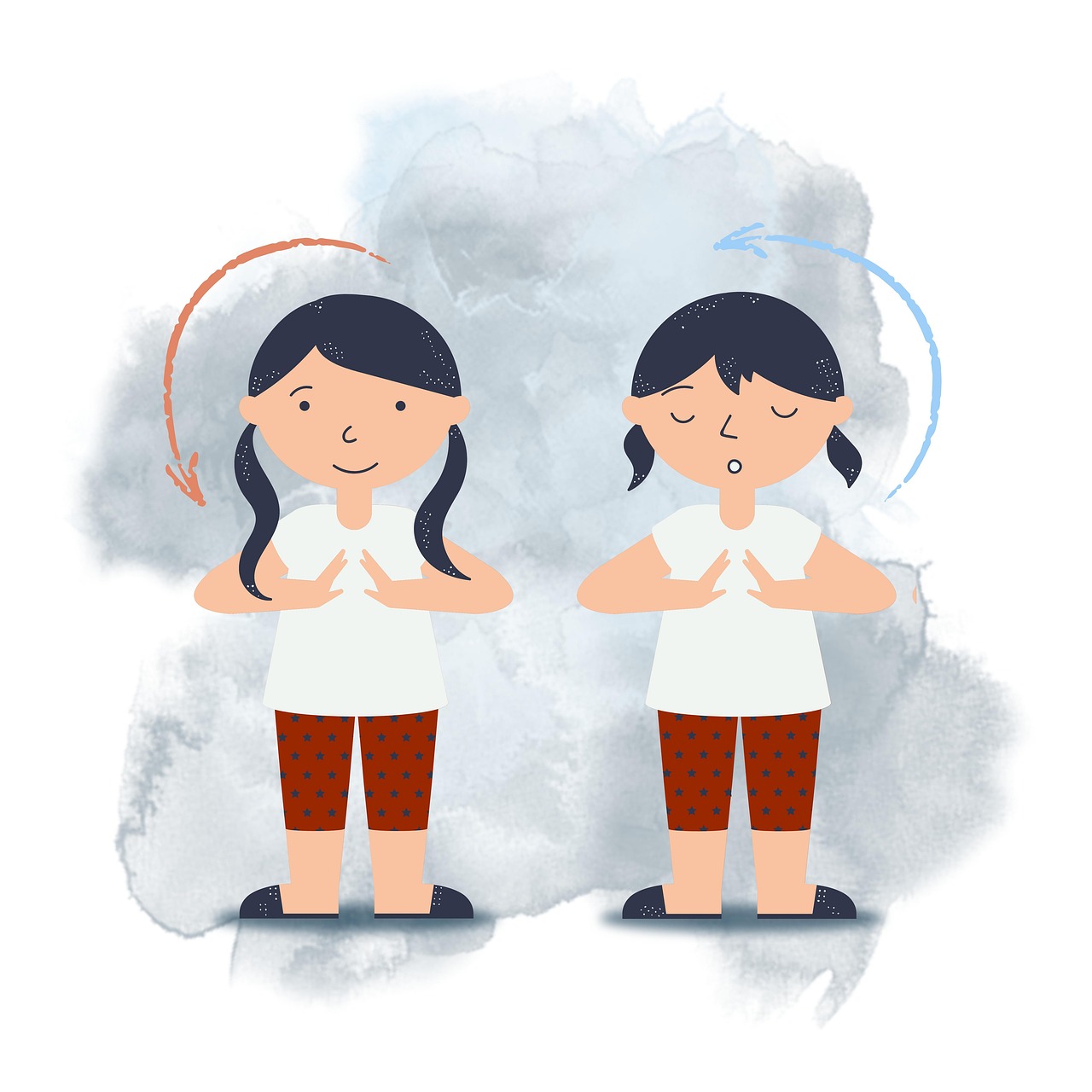
Performance anxiety affects many athletes, causing stress and diminished performance. Learning effective breathing techniques can play a vital role in anxiety reduction. Deep, slow breaths help activate the body’s natural relaxation response, which counteracts anxiety symptoms. One simple technique is the 4-7-8 breathing method: inhale through the nose for a count of four, hold the breath for seven counts, then exhale through the mouth for eight counts. This exercise helps bring focus back to the present moment, allowing athletes to recover a sense of peace and control.
Breath awareness is another useful technique that enhances performance while reducing anxiety. Athletes can practice being aware of their breath during training sessions or competitions. By focusing on the natural rhythm of breathing, tension can decrease. It’s important to consciously take slow, deep breaths instead of shallow, rapid ones, as the latter can escalate feelings of panic. Incorporating breath awareness into warm-up routines is recommended for creating a calm mental state before competitions.
Diaphragmatic Breathing Techniques
Diaphragmatic breathing, or abdominal breathing, is particularly effective in promoting relaxation. This technique involves allowing the diaphragm to fully expand and contract rather than using chest muscles. To practice it, lie down or sit comfortably, laying a hand on the belly. Inhale deeply through the nose, focusing on raising the belly rather than the chest. This helps reduce tension, lower heart rate, and diminish feelings of anxiety. Athletes can incorporate this breathing technique during mental visualization practices, enhancing both relaxation and performance focus to be more competitive.
Box breathing is another powerful technique widely used by high-level performers, including military personnel. The method consists of four equal parts: inhale for a count of four, hold for a count of four, exhale for four, and again hold for four. This structured technique helps stabilize heart rate and clear the mind. Set aside a few minutes before a performance to practice box breathing. Consistent practice can lead to improved mental clarity and a sense of empowerment that comes with learning to control one’s breath.
Combining Breathing with Visualization
Combining breathing techniques with visualization prepares athletes mentally for upcoming performance, reducing anxiety. Visualizing success while focusing on controlled breathing creates a competitive mindset. For effectiveness, athletes should establish a soothing environment where they can relax and visualize their best performance. Integrate imagery that elicits positive emotions, such as feelings of accomplishment and confidence. This holistic approach reinforces the connection between mind and body, enhancing the overall impact of anxiety reduction techniques. The result is a more focused and determined athlete.
Incorporating mindfulness into breathing practices also proves effective. It encourages athletes to be fully present in each moment without judging their performance or feelings. Mindfulness can be integrated through breath awareness exercises, focusing on the sensation of the breath entering and leaving the body, allowing anxious thoughts to simply pass by. This process provides mental clarity and aids in developing a healthy perspective on competition. Practice mindfulness daily to cultivate resilience, ensuring that anxiety doesn’t adversely impact performance.
Creating a Personalized Routine
Developing a personalized breathing routine will further enhance effectiveness in anxiety reduction. Each athlete should explore various techniques and discover what resonates best. Regular practice is key; set aside specific times during the week dedicated to these techniques. Some prefer morning sessions, while others find evening routines more beneficial. Incorporating these elements into training allows for gradual improvement and preparation for competition. Personalizing breathing techniques ensures athletes will be equipped with tools to effectively manage performance anxiety.
Ultimately, consistent practice will result in long-term benefits for performance anxiety. Athletes who integrate breathing techniques into their lives not only perform better but also develop greater self-awareness. Learning to manage anxiety through controlled breathing enhances overall well-being, fosters confidence, and builds resilience. As athletes face various challenges over time, these techniques offer a valuable toolkit for coping and thriving under pressure, setting them up for success both on and off the field.