
Future Trends in Functional Training Equipment
The landscape of functional training is evolving rapidly, and innovative equipment is at the forefront of this change. Gone are the days when simple weights dominated gyms; now, diverse options like suspension trainers and balance balls take center stage. Functional training emphasizes movements that mirror everyday activities, which require tools designed to enhance stability, strength, and agility. For instance, items like kettlebells and resistance bands have gained popularity due to their versatility. As we look towards the future, we can expect to see more advanced technology integrated into training equipment. Imagine smart kettlebells that adjust their weight automatically through app connectivity. Furthermore, augmented reality may revolutionize how individuals engage with their training equipment, creating immersive experiences. New materials that are lighter yet more durable also promise longevity and better performance. Additionally, the rise of home gyms has driven manufacturers to create compact and multifunctional equipment for personal spaces. With the trend towards outdoor fitness also increasing, companies will likely innovate tools tailored for outdoor use. Thus, functional training equipment will become more intuitive, adaptable, and precisely aligned with individual fitness goals in the coming years.
Smart Technology in Functional Training
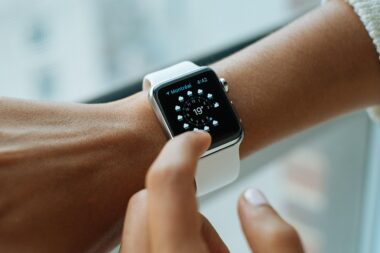
As technology continues to permeate fitness, smart technology is becoming a game-changer for functional training. This integration brings innovations such as performance tracking and real-time feedback directly into workout sessions. Wearable devices like smartwatches can help monitor heart rate and calorie expenditure during functional workouts. Moreover, smart equipment equipped with sensors employs data analytics to give users insights on their form and progress. Imagine having a smart barbell that not only weighs automatically but also provides suggestions for improved technique based on movement analysis. Virtual trainers are another emerging element, utilizing advanced algorithms to offer personalized training plans tailored to user goals and fitness levels. Enhanced connectivity capabilities will encourage community interactions through challenges or group classes, pushing individuals to reach new heights in their training. Companies are developing virtual reality setups for those who prefer guided sessions from the comfort of home. As these technological advancements grow, the accessibility of expert guidance will become commonplace. Ultimately, this will transform how individuals approach functional training, making workouts more efficient and engaging than ever before, thus fueling motivation and consistency.
In addition to smart technology, the development of eco-friendly functional training equipment is gaining traction by addressing sustainability issues. As consumers become more environmentally conscious, fitness equipment manufacturers are experimenting with sustainable materials like bamboo, recycled plastics, and biodegradable resources. These eco-friendly products not only minimize carbon footprints but also appeal to an audience that values responsible production practices. Moreover, brands that prioritize sustainability in their equipment are often viewed more favorably; they connect with customers on a deeper level, aligning shared values. Gym owners and personal trainers who incorporate green equipment into their facilities send a strong message about their commitment to environmental stewardship. Furthermore, the potential for multi-use equipment designs will enhance efficiency without overcrowding spaces, ensuring minimal waste in production and consumer use. The design innovation combined with sustainable practice aims to revolutionize the industry, setting a precedent for responsible fitness gear. As the future unfolds, we can anticipate that every aspect of fitness, including functional training, will increasingly incorporate sustainability into its core values. In doing so, the future of functional training will not only build healthier individuals but also foster a healthier planet.
Increased Focus on Mobility and Recovery
Another significant trend in functional training equipment is the enhanced emphasis on mobility and recovery tools. Practitioners are recognizing that a well-rounded training regimen must include elements of flexibility and recovery to prevent injuries effectively. Tools such as foam rollers, massage balls, and resistance bands are becoming staples in both gyms and home settings. Integrated recovery tools help to alleviate muscle tension and promote blood circulation, which is crucial for optimizing performance during workouts. Functional training programs are increasingly incorporating dynamic stretching and mobility routines, ensuring participants develop flexibility alongside strength. Additionally, new technologies, such as percussive therapy devices, are emerging that target muscle recovery deeply and efficiently. These instruments provide quick relief for sore muscles and significantly improve range of motion. Gyms and practitioners are also focusing on educating their clients about the importance of recovery, thus incorporating targeted recovery sessions into regular schedules. This holistic approach to training underscores the importance of a balanced routine, where mobility and recovery are not just afterthoughts but vital components of fitness. Overall, this new mindset is expected to shape how future training equipment is designed, developed, and marketed in the fitness industry.
Moreover, the growing popularity of functional training apps demonstrates a shift towards digital solutions for fitness enthusiasts. These applications provide personalized workout plans, instructional videos, and community support, extending the training experience beyond the gym. As more individuals opt for at-home workouts, these platforms can help users design effective functional training routines tailored to their specific needs and goals. In addition, they offer opportunities to track progress and gain valuable insights into performance through metrics and analytics. Gyms may adopt these apps to provide members with remote access to trainers and classes, catering to a diverse clientele. This accessibility can bridge the gap for those who may not have the resources or time to train traditionally. Furthermore, the integration of virtual coaching into gym offerings allows members to receive guidance without needing a physical trainer present. By combining the convenience of technology with comprehensive training programs, functional training apps are poised to change the fitness landscape. The future of fitness seems increasingly reliant on digital solutions, and functional training is leading the charge into a more connected and interactive fitness domain.
Inclusivity in Functional Training
The future of functional training equipment is also highlighting inclusivity, ensuring that all individuals, regardless of fitness level or physical abilities, can access suitable tools. Companies are designing equipment that accommodates variations of common exercises, allowing everyone to participate in functional training confidently. Adaptive equipment such as modified kettlebells or resistance bands with varying resistance levels caters to diverse fitness journeys and needs. Furthermore, inclusive design practices are not just about physical tools; programs aimed at fostering belonging and support in fitness environments are crucial. Facilitating access to functional training allows individuals with disabilities or those recovering from injuries to engage participate effectively. Moreover, the rise of groups and classes specifically aimed at underrepresented segments helps foster community and motivation. Collaborative efforts with health organizations can further empower trainers to gain insight into individualized coaching tailored for unique needs. As more fitness professionals advocate for inclusivity in their programs, the market for adaptive functional training equipment will likely grow. Creating opportunities for diverse participants will shape the functional training landscape, ensuring that everyone can embark on their fitness journey with confidence and support.
Lastly, the future trends in functional training equipment will increasingly prioritize cross-training features that promote versatility in workouts. As individuals seek more holistic fitness solutions, equipment that serves multiple purposes will become essential in any training regime. Think of innovative designs that allow a singular piece of equipment to function for strength training, cardio, and flexibility exercises. For instance, adjustable benches that can be adapted for various movements or all-in-one functional trainers will dominate personal and gym spaces alike. This approach will appeal to those practicing at home, as it helps maximize space and resources. Furthermore, such multifunctional equipment encourages users to experiment with diverse workouts, ultimately leading to greater engagement and improved fitness outcomes. With advancements in design technology, manufacturers are adept at combining various elements into cohesive, user-friendly packages. As we move forward, the importance of cross-training capabilities will foster creativity in workouts, allowing individuals to discover new ways to challenge their bodies while staying motivated and excited. This proactive mindset in the fitness industry will diversify the approach towards functional training, paving the way for innovative solutions in the evolving fitness landscape.
The future of functional training equipment looks promising as technology, sustainability, accessibility, and user experience converge to shape a new era of fitness. By focusing on the integration of smart technology, eco-friendly materials, and mobility-focused routines, the industry is responding to evolving consumer expectations. Additionally, prioritizing inclusivity ensures a wider demographic can exercise without barriers, creating a supportive environment for growth. As we look ahead, the continuous innovation in cross-training and multifunctional designs will inspire fresh approaches to fitness narratives. Also, the emergence of comprehensive functional training applications will cater to an ever-growing audience, providing resources and accountability. With each trend contributing to a more holistic view of fitness, functional training will encourage diverse exercise methods that engage and inspire individuals to take control of their health. Companies and trainers must embrace these shifts for competitive advantages, aligning their strategies with consumer demands. This proactive stance will ensure continued growth in this segment of the fitness industry. Ultimately, the future of functional training equipment will be defined by its adaptability, reflecting the multiple paths users take on their journeys towards a healthier lifestyle.