
Stretching Routines to Alleviate Postpartum Aches
Experiencing postpartum aches can be common after childbirth, but incorporating effective stretching routines can provide significant relief. Stretching helps restore flexibility, ease discomfort, and improve overall well-being. To start your postpartum recovery, it is essential to focus on specific muscle groups that undergo significant changes during pregnancy and delivery. Gentle, gradual movements are key to reintroducing your body to physical activity. A well-structured stretching routine can also prevent injury while strengthening the muscles you rely on the most. It promotes better posture, helps relieve tension, and encourages an overall sense of relaxation. As you begin with these stretches, listen to your body and remember that healing takes time. Aim for consistency, as integrating a few minutes of stretching into your daily routine can yield fantastic results over time. Incorporating deep breathing while stretching enhances relaxation and promotes the release of muscle tension. Engage in stretches that target the back, hips, and shoulders, keeping them in mind as common areas of postpartum discomfort. Always consult with your healthcare provider before starting any new exercise regimen to ensure that you are ready to begin.
One effective stretch that can significantly alleviate tension in the lower back is the child’s pose. To perform this stretch, get onto your knees, bringing your big toes together while sitting on your heels. Slowly extend your torso forward, stretching your arms out in front of you or letting them rest beside your body. Hold this position for a few deep breaths, allowing your back to relax and release any built-up tension. Incorporating the cat-cow stretch into your routine can also help ease back pain. Begin on your hands and knees, and alternate between arching your back upward and then lowering it while lifting your head. This flow gently mobilizes the spine and facilitates relaxation. Another beneficial stretch involves standing and reaching your arms overhead, then gently bending to one side to elongate the lateral muscles of your torso. Be mindful to switch sides and keep your movements slow and controlled. Engaging in these simple yet effective stretching routines can aid in alleviating tightness and discomfort often felt during the postpartum period, making daily activities more manageable.
Incorporating Breathing Techniques
Integrating breathing techniques alongside stretching can enhance the effectiveness of your postpartum routine. Focusing on your breath helps establish a deeper connection with your body, releasing tension and increasing relaxation. Practicing deep abdominal breathing can support core recovery, which is crucial after birth. To begin, find a comfortable position, either seated or lying down, and place one hand on your chest and the other on your belly. Inhale deeply through your nose while allowing your belly to expand, and slowly exhale through your mouth. Repeat this several times, focusing on the rhythm of your breath. Breathing deeply can increase circulation, improve oxygen flow, and prepare your body for the stretches you are about to perform. As you move through your stretching routine, pairing each movement with your breath can enhance the experience. For example, inhale deeply as you reach up for a stretch, and exhale as you fold forward. Maintaining this mindful approach helps improve your overall focus, calming the mind while achieving a greater release in the muscles. Creating a routine that combines stretching with breathing can elevate your postpartum recovery journey significantly.
The importance of proper alignment during stretches cannot be overstated, particularly when postpartum recovery is at hand. Pay close attention to your body’s positioning to ensure you’re not introducing additional tension or strain as you stretch. For instance, during seated forward bends, keep your spine elongated, and avoid excessive rounding of the back. A neutral spine helps prevent discomfort and promotes more profound stretches. It may also be beneficial to use props such as blankets or bolsters while stretching, as they can help maintain proper alignment and offer additional support. Most importantly, listen to your body as you stretch and be mindful of your limits. Each postpartum body is unique, and what works for one person may not be suitable for everyone. Consulting a postpartum specialist or physical therapist can provide tailored guidance to create a stretching routine that specifically meets your needs. This not only ensures you’re practicing safely and effectively but can also greatly enhance your recovery progress. Consider tracking your stretching practice, noting any improvements in flexibility or reduction in pain, which can be a motivating step in your recovery journey.
Gentle Yoga as a Recovery Tool
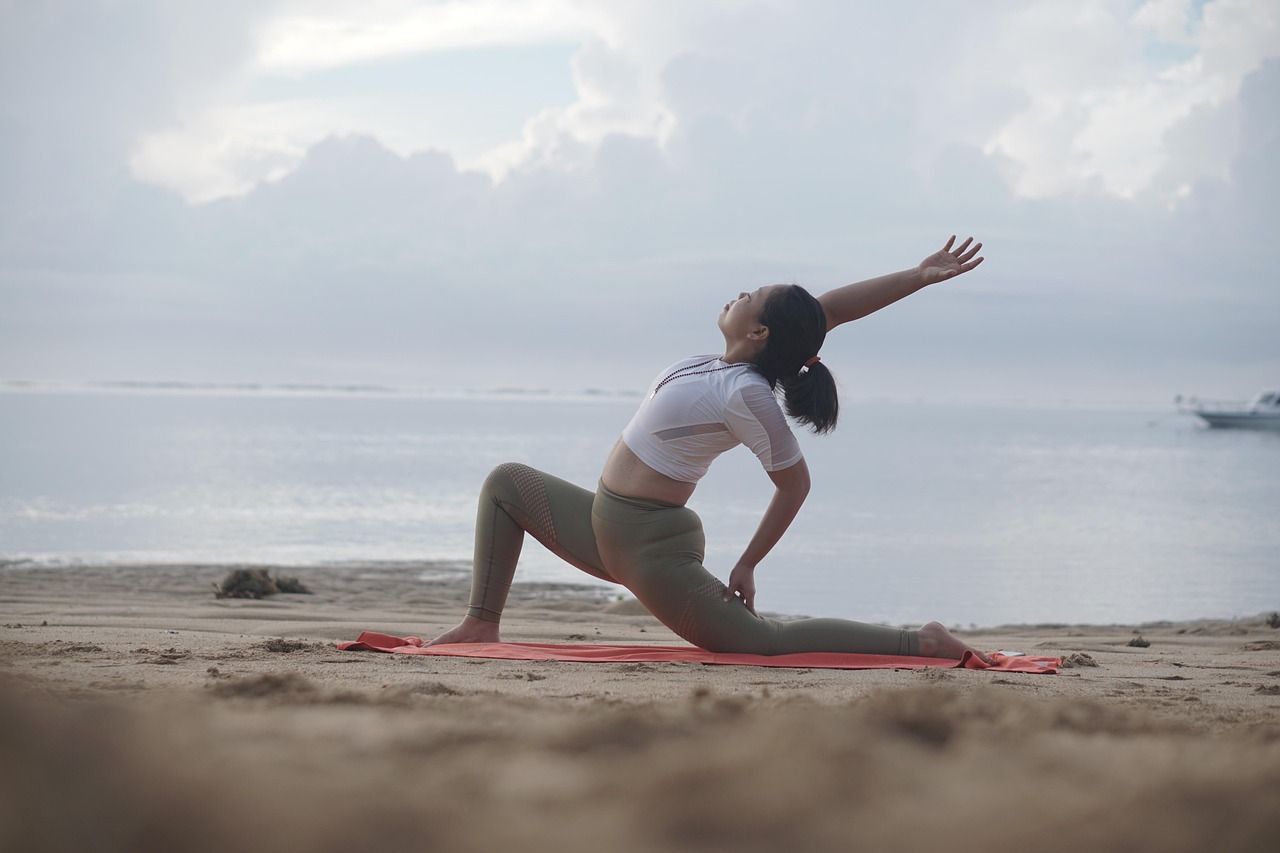
Gentle yoga can serve as an excellent addition to your postpartum stretching routine. It bridges mind and body, encouraging relaxation while promoting flexibility and muscle strength. Engaging in several yoga sessions each week can introduce a sense of structure, making it easier to integrate movement into your daily life. Some beneficial poses to explore include the modified warrior pose, downward-facing dog, and the standing forward bend. These positions help open the hips, lengthen the spine, and stretch the legs, often resulting in noticeable relief from postpartum aches. Additionally, attending a postpartum yoga class can foster a supportive community, allowing you to meet other new mothers experiencing similar journeys. Professional instructors can offer tailored modifications that cater to your individual needs. Always take your time when transitioning into each pose—focus on proper alignment and avoid pushing yourself beyond your comfort zone. Yoga’s combination of stretching, breathing, and mindfulness can help ease the transition into motherhood, making it a powerful tool for physical recovery as well as emotional wellness. The holistic nature of yoga supports overall health during this transformative period.
In addition to static stretches, incorporating dynamic movements into your postpartum routine can help ease symptoms of tension and stiffness. Leg swings, hip circles, and arm circles are fantastic ways to increase blood flow while maintaining gentle movement. As you perform these dynamic stretches, focus on keeping your movements fluid and within a comfortable range of motion. Slowly explore the available mobility in your joints while ensuring that you are never forcing any movements. Dynamic stretches work exceptionally well to promote overall muscle movement and can be seamlessly integrated with your static stretches. Consider a gentle walking routine as well, where you can fluctuate between stretches and movement, allowing for effective recovery. Being outdoors and engaging in low-impact activity can enhance your mood while providing Vitamin D. Remember to stay hydrated and consider nourishing your body with balanced meals during your postpartum journey. Fueling your recovery will significantly contribute to the efficacy of your stretching routine as your body demands significant restorative nutrients. Developing a comprehensive approach involving movement, hydration, and nourishment can result in a more comfortable postpartum experience.
Being Mindful of Your Body’s Signals
As you embark on your postpartum recovery journey, being mindful of your body’s signals is paramount. Each day can bring different levels of comfort and mobility; therefore, it’s essential to adapt your stretching routine accordingly. If you feel sharp pain or discomfort while stretching, it’s crucial to pause and adjust your approach. Listening to your body helps prevent further injuries and promotes healing. Keeping a journal to document how certain stretches affect your body over time can establish insight into what works best for you. Acknowledging progress is vital; even small achievements should be celebrated. For some, it may take longer to return to pre-pregnancy flexibility, and that is entirely normal. Your body has gone through immense changes; patience and kindness toward yourself goes a long way. If you have any concerns about certain stretches or discomfort, consider reaching out to a healthcare professional or physical therapist specializing in postpartum care. They can provide further recommendations tailored to your recovery. Emphasizing the importance of self-compassion while moving through this phase will make your postpartum journey more effective and enjoyable.
Ultimately, incorporating stretching routines into your postpartum recovery regimen can have a profound impact on alleviating aches and enhancing your overall well-being. Selecting gentle stretches that suit your comfort level is critical, as is recognizing that every body is unique. By following the various tips and techniques discussed, you’re setting yourself up for a more comfortable recovery. Focus on deep breathing while stretching, integrate gentle yoga, and stay attuned to your body’s signals to ensure effective progress. Breathe through each movement, engage in community support where possible, and remember that your recovery journey takes time. There’s so much to consider when nurturing your body post-birth, so prioritizing self-care is essential. Consistent practice will lead to improvements in flexibility and a reduction in discomfort. Gradually increase the intensity and duration of your stretches while being aware of your limits. You should aim for simplicity and mindfulness throughout the process. As you stay committed to your routine and honor your body’s needs, you’ll find greater ease, control, and comfort in your daily activities. Balancing physical health with mental well-being will simplify your transition into motherhood.