
Kettlebell Training for Injury Rehabilitation in Athletes
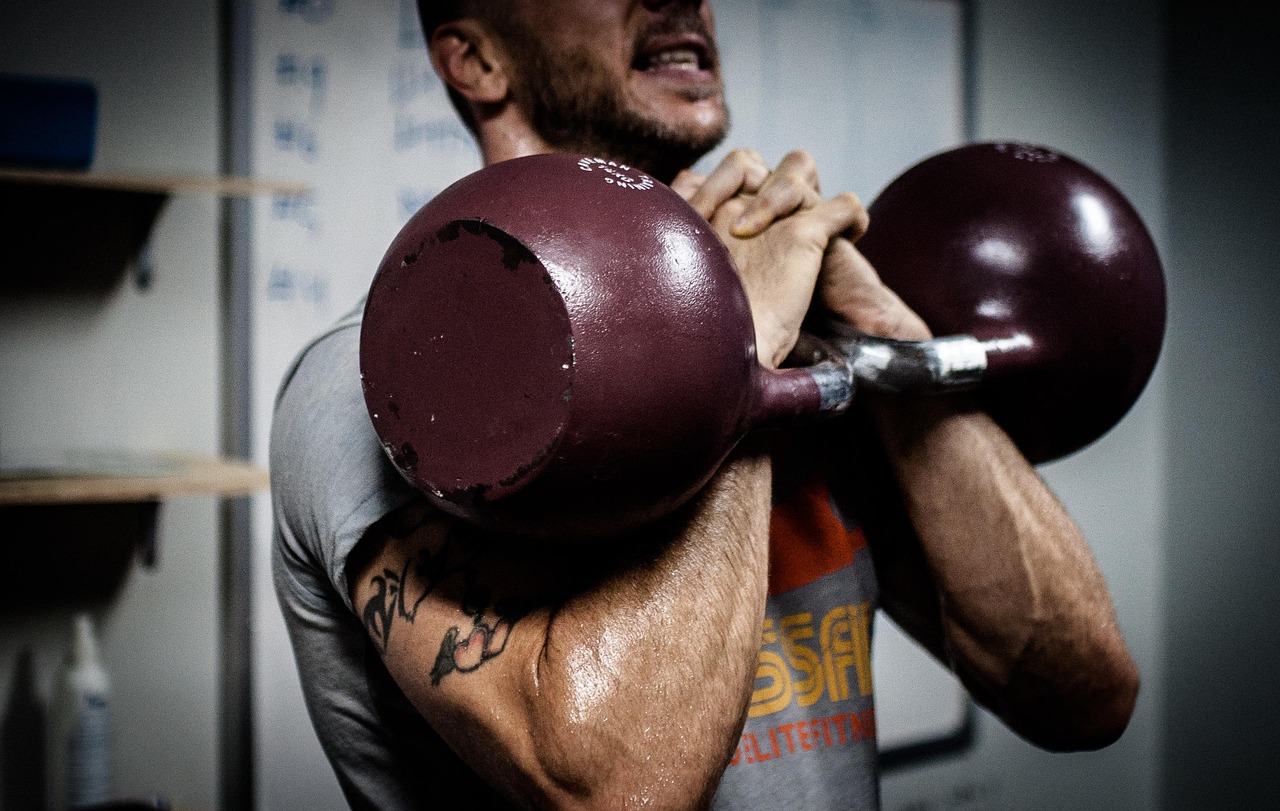
Kettlebell training has burgeoned as a popular choice among athletes for enhancing strength, mobility, and overall performance. When it comes to injury rehabilitation, kettlebells serve multiple purposes, including the gradual restoration of functional movement patterns. These versatile weights can be utilized in a controlled manner, allowing athletes to progressively load their muscles and regain confidence in their abilities. A pivotal aspect of utilizing kettlebells for rehabilitation is ensuring proper form and technique throughout all movements. This helps prevent further injuries while fostering the development of targeted muscles. Additionally, kettlebell exercises offer joint stability and can rehabilitate specific areas prone to injury, such as the shoulders and lower back. Their unique design allows for dynamic movements that engage core stabilizers during workouts. Hence, athletes undergoing rehabilitation can see a comprehensive approach towards rebuilding strength and functionality. Incorporating kettlebell workouts can significantly speed up recovery processes, enabling athletes to prepare for their return to competitive sports. Nonetheless, it’s crucial to consult a medical professional before starting any exercise regimen to ensure its suitability for individual conditions and physical limitations.
One of the primary exercises in kettlebell training for injury rehabilitation is the kettlebell swing. This full-body exercise greatly enhances conditioning while focusing on developing hip extension and overall power. Proper execution of the kettlebell swing helps strengthen the posterior chain, which includes muscles such as the glutes, hamstrings, and lower back. Many athletes find that strengthening these muscle groups helps in preventing future injuries. The kettlebell’s unique weight distribution encourages athletes to engage their core muscles, enhancing stability throughout their movements. Another essential aspect of kettlebell training is the versatility of exercises available. From presses and squats to snatches and Turkish get-ups, the options are vast. Each movement can be modified for every athlete’s specific needs. Moreover, integrating unilateral movements with kettlebells can assist in addressing muscular imbalances that often contribute to injuries. These exercises promote symmetry and strength development on both sides of the body. As recovery progresses, kettlebell training can elevate an athlete’s performance and resilience, ensuring they are well-prepared for the demands of their sport.
The Importance of Mobility Work
Aside from building strength, mobility work is essential during the rehabilitation process. Kettlebell exercises seamlessly incorporate mobility training, which can be beneficial for athletes recovering from injuries. Improved mobility enhances joint function and allows for greater range of motion, aiding in performing daily activities. Exercises like the kettlebell windmill and the overhead press require stability and mobility in the shoulders and hips, which are crucial for proficient athletic performance. Athletes can reap significant benefits from incorporating these types of exercises, as they facilitate soft tissue work and improve flexibility. Strong and mobile joints are less prone to injuries during high-impact sports. Furthermore, kettlebell training encourages athletes to focus on their breathing patterns while executing movements, fostering a mind-body connection. Breath control plays a crucial role in maximizing strength and maintaining proper posture, especially during rehabbing injuries. Therefore, including mobility exercises in a kettlebell regimen enhances recovery, allowing athletes to regain their full range of motion more efficiently. Ultimately, this holistic approach to kettlebell training enables a faster return to sport by ensuring that both strength and mobility are prioritized during rehabilitation.
Another significant advantage of kettlebell training is its accessibility and adaptability concerning varying fitness levels. Athletes can select kettlebell weights that suit their current strength levels and adjust them as they progress. This adaptability is especially advantageous during the initial phases of injury rehabilitation when one must prioritize safety and gradual progression. Kettlebells can be used in various settings, from professional gym facilities to home workouts, making them a convenient option for rehabilitation. Additionally, they can be paired with other forms of therapy or strength-building exercises, such as resistance bands or bodyweight workouts. When integrated properly, kettlebells support an effective rehabilitation routine. Furthermore, training with kettlebells can alleviate mental stresses associated with injury recovery. Engaging in a strategic workout can uplift an athlete’s spirits and foster a positive outlook on the healing process. The physical act of training can distract individuals from their injuries while helping them feel empowered. By focusing on what their bodies can accomplish rather than their limitations, athletes strengthen their resilience and determination to return to their sports. Thus, kettlebell training not only addresses physical recovery but also nurtures mental well-being.
Getting Professional Guidance
While kettlebell training can be a robust tool for rehabilitation, it is essential that athletes seek professional guidance before embarking on this or any other exercise program. Consulting a qualified trainer or physical therapist ensures that the athlete’s unique situations and injury conditions are considered. These professionals can tailor a kettlebell routine that prioritizes safety while addressing recovery goals. It is essential to establish a strong foundation of technique, especially since improper form may lead to setbacks or further injury. Using expert insights, athletes can gradually increase the intensity and variety of kettlebell workouts. Additionally, regular monitoring of progress can lead to more refined approaches toward rehabilitation. Professionals can also provide insights into integrating kettlebell training with other essential aspects of recovery, including cardiovascular work and flexibility training. This holistic view can optimize healing timelines and ensure athletes do not rush their return to the field. The collaboration between the athlete and trainer fosters an environment where informed choices guide the recovery process, which can ultimately enhance performance levels and minimize future injuries.
Consistency is key when it comes to any training regimen, including kettlebell workouts for injury rehabilitation. Athletes seeking recovery must integrate sessions into their weekly schedules to ensure progress is made steadily. It is crucial to maintain discipline and motivation throughout the process, as significant improvements in strength and mobility take time and effort. Athletes may benefit from setting realistic short-term and long-term goals, allowing them to focus on measurable progress. Recording workouts also aids in identifying patterns, strengths, and areas needing improvement. Additionally, varying kettlebell exercises week by week can keep workouts fresh and engaging, which is vital for motivation. Changing routines can stimulate muscle adaptations and prevent plateaus, allowing the athlete to see continual development. Moreover, supporting one’s recovery journey with proper nutrition is imperative for getting optimal results. A balanced diet rich in proteins, healthy fats, and carbohydrates will provide the necessary fuel for workouts and improve healing processes. Therefore, remaining committed to a structured kettlebell training regimen while incorporating diverse elements like nutrition fosters a seamless recovery journey that primes athletes for success.
Preparing for Full Return
As athletes progress through their rehabilitation journey, they can start to prepare for their full return to competition. Kettlebell training serves as an effective bridge between rehabilitation and performance readiness by reinforcing strength, power, and functional capabilities. Investing time in sport-specific kettlebell exercises can enhance overall athletic performance. Movements should mimic the actions typically performed within their sports, allowing athletes to integrate strength gains directly into their skill sets. Additionally, using kettlebells can stimulate the neuromuscular pathways essential for optimal performance. Endurance-based kettlebell routines can prepare the body for the demands of high-intensity competition. Regularly reassessing one’s progress is crucial as athletes shift from rehabilitation to peak performance. They should also remain in communication with their trainers to ensure training remains aligned with competition schedules. Furthermore, realizing that mental preparedness is just as critical as physical readiness is vital. Athletes should engage in mental training, visualization, and cognitive strategies to manage any anxieties regarding returning to competitive play. Ultimately, kettlebell training plays a significant role in ensuring that athletes not only recover but also thrive upon their return to sports.
In conclusion, kettlebell training emerges as a powerful ally in injury rehabilitation for athletes. Its ability to enhance strength, increase mobility, and build mental resilience cannot be overstated. Through carefully designed kettlebell exercises, athletes can experience a holistic recovery process. They can focus on re-establishing control and confidence in their movements while minimizing the risk of re-injury. By incorporating a variety of kettlebell exercises into their routines, athletes can nourish their bodies and improve their overall health. The adaptability of kettlebells ensures that workouts can be tailored to individual needs and abilities, making it an effective approach for any athlete. While training with kettlebells can lead to remarkable improvements, guidance from skilled professionals remains essential. Ensuring correct execution and form will provide a solid foundation for recovery, ultimately leading to greater performance levels. As athletes continue to commit to their kettlebell training and nutrition, their rehabilitation journey will be supported by a fitness regimen that promotes optimal health and performance. In this way, kettlebell training can lay the groundwork for future success and resilience in the competitive athletic landscape.