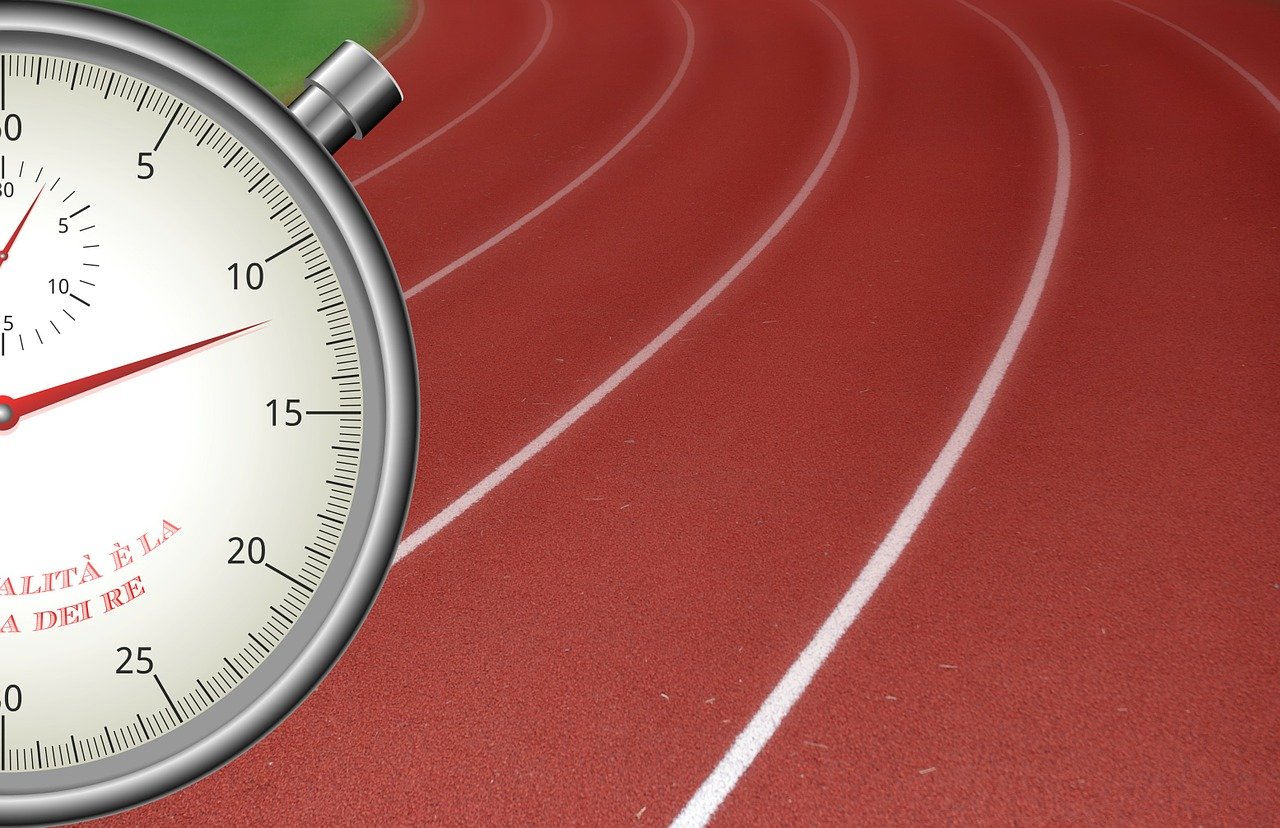

How To Use Running Watches To Improve Your Pace
Running watches are essential tools that can help you enhance your running performance significantly. They provide a wide range of features designed to analyze your workouts, such as pace tracking, distance measurement, and heart rate monitoring. With these functions, you can establish specific training zones that align with your fitness goals. One of the main advantages of using a running watch is the ability to monitor real-time data, enabling you to adjust your speed as necessary during your runs. This immediate feedback boosts your focus and motivation. You can also set targets for your runs and analyze your performance over time. Many running watches sync with mobile apps, providing visual representations of your progress. The integration of GPS technology further enhances the accuracy of the distances measured. By understanding your performance metrics, you can gradually increase your pace. If you’re looking for competitive edge, using these features wisely can build your endurance and stamina, taking your running game to the next level. In the following paragraphs, we will delve deeper into how to effectively utilize these watches to suit diverse running needs.
One of the focuses when using a running watch is the pace feature, which calculates how fast you’re running at any given time. To improve your pace, begin by determining your current speed baseline. You can start by monitoring your runs over a few weeks, documenting the pace you maintain over different distances. Once you have this baseline, you can create a structured plan to gradually increase your speed. For instance, incorporate interval training sessions where you alternate between high-speed sprints and recovery jogs. During these sessions, make sure your running watch is set to display your current pace prominently, allowing you to stay aware of your progress. Additionally, over time, adjust your targets to reflect your improved capabilities. You may also explore features that allow you to set alerts when you fall below or exceed specific paces. These notifications are crucial in helping you maintain your desired effort levels throughout your run. By refining your training with these built-in features, you can maximize your potential and watch your pace improve.
Your running watch is not just a speedometer; it is also a valuable tool for monitoring your heart rate. Understanding your heart rate zones can critically influence how you pace yourself during training. Most running watches come equipped with heart rate sensors, which help you track your current heart rate during activities. This data is essential for determining whether you’re running in an easy, aerobic, or anaerobic zone. To enhance your pace effectively, you’ll want to spend the right amount of time in each zone. For example, aim for aerobic conditioning by keeping your heart rate steady within that zone for most of your training runs. It’s also important to use other zones to improve speed, especially when training for races. Set the watch to alert you when your heart rate enters a different zone. Keep in mind that consistency is the key. Overtime tracking will allow you to see how your heart rate responds to various levels of exertion, ultimately supporting your pacing goals.
Utilizing GPS Features
Another beneficial feature of running watches is GPS tracking, which ensures the distance you run is accurately measured. GPS functionality allows you to plan routes and check how far you have traveled during your training. When starting a new training cycle, select a variety of terrains and distances to hold your interest and promote ongoing motivation. By observing your distance, you can set targets and gradually extend your runs as you improve your capability over time. Make use of the mapping features that many devices offer; these help visualize your preferred routes and explore new ones efficiently. The GPS data lets you spot trends in performance and distances. Moreover, after every session, you can compare your times on different courses over time to find areas for improvement. Assessing how your pace changes based on different terrains is critical, as this information can guide your training strategies. Knowing the tracks you struggle with allows you to devise a plan that can help you conquer them and further boost your overall performance.
In addition to pace and heart rate monitoring, many running watches offer advanced metrics such as cadence and stride length, two vital factors that can affect your pacing. Cadence refers to the number of steps you take per minute, while stride length is the distance covered with each step. These metrics play significant roles in improving running efficiency, directly influencing your ability to maintain or improve pace. As a runner, aim for a higher cadence because it typically results in improved speed. Monitor your cadence regularly and use your watch’s performance alerts to keep it within a targeted range. Future improvements to your stride can also be achieved through focused training sessions aimed at optimizing your running form. Regularly analyze these metrics post-run to identify patterns and trends as they relate to pacing. Tracking improvements in both metrics leads to better pacing strategies in each run. Over time, achieving an ideal combination of cadence and stride length will contribute to enhanced overall efficiency while you run.
Incorporating intervals into your training regime can be a game-changer when using a running watch to improve your pace. Interval training involves alternating between high-intensity efforts and lower-intensity recovery. This method pushes your body beyond its normal limits and ultimately can increase your speed. Set your running watch to segment your run into intervals, ensuring accurate tracking of your efforts. For example, run at a fast pace for one minute followed by three minutes at a slower pace. Adjust the duration according to your fitness level, gradually increasing intensity. With each interval, pay attention to your pacing data; it can help gauge whether you’re improving. Be prepared to tweak intensity levels or duration based on how you’re feeling during your workouts. Remember that recovery is just as important. Proper rest and monitoring your performance are crucial in ensuring you reap the benefits of interval training while minimizing the risk of injury. As you continue to engage in interval workouts, you’ll notice significant changes in your average pace over time.
Reviewing Your Progress Regularly
After conducting multiple workouts with your running watch, spending time analyzing your performance data will prove immensely beneficial. Most running watches sync automatically with mobile apps that allow you to review data about your pace, heart rate, cadence, and other metrics. Regular reviews help you realize which techniques and workouts are producing the best results. Consider establishing a schedule to track progress weekly or monthly. During these review sessions, observe trends and patterns in your pacing, paying particularly close attention to performance in various running conditions, such as weather and terrain. Take note of significant improvements and areas that need focus. Making adjustments to your routine based on these reflections will be crucial for ongoing success. Analyzing your data can also inspire new goals and set benchmarks for future training cycles. Embrace the opportunity to learn from your data and continue pushing forward. In the end, using your running watch effectively is all about adapting and refining your approach to your runs, paving the way for continuous improvement.
Using a running watch to improve your pace requires commitment and effort. However, with the data-driven insights these devices provide, your workouts will become infinitely more effective. Set achievable milestones, gradually increase your targets, and be consistent in your training routines. Focus on understanding what pacing means, how it links to your overall fitness, and how metrics can guide your improvement journey. Also, don’t hesitate to join online communities or forums dedicated to running; many athletes share experiences and tips regarding their use of running watches. Engaging with others can further motivate you, while gaining insights can help reveal new strategies to improve your pace. Emulate the practices of seasoned runners who have successfully leveraged data to bolster their performance. Incorporate visualization techniques, such as mentally rehearsing your pacing during training runs. Ultimately, it’s about fostering a harmonious relationship with your running watch; utilize its features to adapt to your evolving needs. With dedication and passion, you can discover the secret to unlocking your true running potential and achieving your desired pace effectively.