
DIY Inline Skate Adjustments for Beginner Skaters
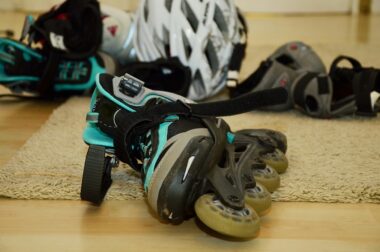
As a beginner inline skater, understanding how to adjust your skates can greatly enhance your experience. Proper adjustments ensure both comfort and safety while improving your performance. First and foremost, check the fit of your skates; they should feel snug but not too tight. Focus on adjusting the buckle and lacing system to secure your foot adequately. An accurate fit reduces the risk of blisters and enhances control. Additionally, ensure that the wheels are tightened correctly. Loose wheels can lead to instability, making it challenging to balance. Use a skateboard tool or wrench to adjust wheel tightness as necessary. Regularly inspect your wheel bearings since they can wear out and affect smooth gliding. Clean and lubricate them to maintain optimal performance. Don’t forget about the brake pads! Adjust them if they seem worn down. Having effective brake pads allows for safer stops. Always wear protective gear like helmets and pads until you become more confident. Inline skating is fun, but safety should always come first. With these simple adjustments, you’ll be ready to hit the trails confidently.
Another critical aspect of DIY adjustments is wheel selection. As a beginner, opting for softer wheels is advisable. Softer wheels provide better grip on rough surfaces, which can lead to a smoother ride. Conversely, harder wheels may give you more speed on flat surfaces but can be less forgiving on bumpy areas. When considering what wheels to choose, evaluate the type of skating you intend to do. For fitness and recreational skating, select wheels that balance speed and grip. In contrast, if fitness is your goal, prioritize larger wheels for expanded speed potential. Measurements matter, so check the diameter of existing wheels before making a purchase. If you decide to switch them out, be sure to match the size accurately to your skate model. After installing new wheels, take some time to break them in. Doing so ensures they wear evenly for maximum longevity and performance. Additionally, familiarize yourself with how each wheel interacts with the surface. A controlled glide will become your ally as you progress. By carefully choosing wheels and learning to replace them properly, you can level up your inline skating experience.
Taking Care of Inline Skate Bearings
Bearings are a crucial component of inline skates that directly affect your speed and overall control. As a beginner, focusing on maintaining these components is essential. Inspect your bearings regularly for dirt and debris, as buildup can hinder performance. To clean your bearings, remove them and place them in a small container filled with cleaning solvent. Detach shields can help ease the process. Allow them to soak for a few minutes to loosen dirt particles. After soaking, use a soft cloth or a brush to gently scrub away the grime. Rinse them well and let them dry completely to prevent rust. Lubricating the bearings is equally important. Once they are dry, apply a few drops of skate bearing lubricant before reinstalling them. Be cautious not to over-lubricate, as excess oil can attract more dirt. Once the bearings are back in place, test your skates to ensure they roll smoothly. Good maintenance of skateboard bearings will prolong their life, helping to keep your inline skating experience as enjoyable as possible.
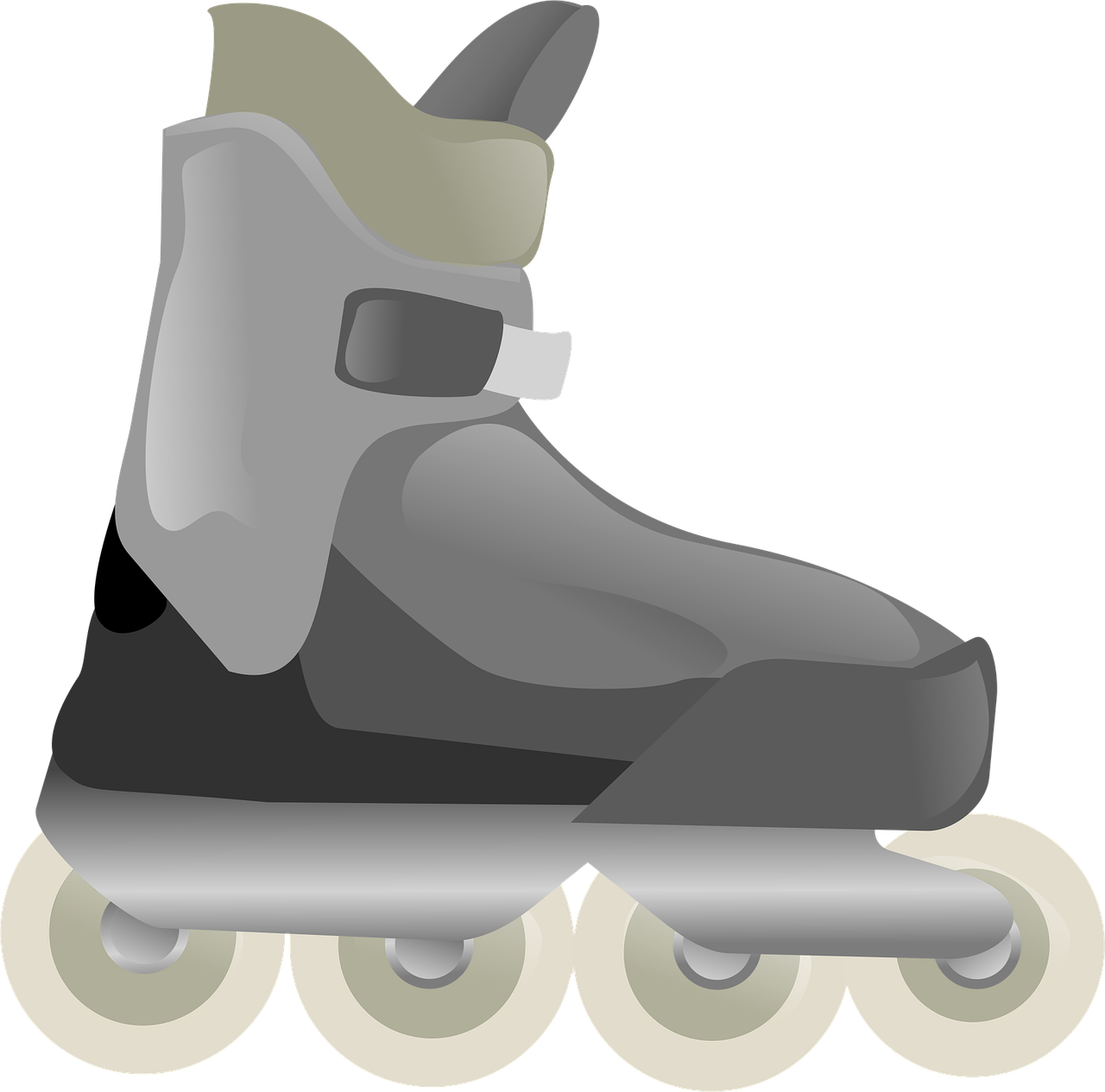
It is essential to understand the adjustment of the frame when setting up your inline skates. The frame holds the wheels and plays a significant role in stability and control. Most beginner skates have adjustable frames, allowing you to customize the position of the wheels. Ensure the frame is tightly secured to the boot; a loose frame can affect balance and cause discomfort. If your skates have an adjustable setup, play around with the wheel position to find what feels best. Shifting the wheels closer to the boot can enhance maneuverability, while placing them wider apart can offer stability. Always check the manufacturer’s guidelines to determine the adjustment range. Furthermore, keep in mind that the height of your frame also matters. A lower profile can enhance your center of gravity, making it easier to glide and cut. Regularly check screws and fasteners on the frame, tightening them when necessary. Learning how to adjust your frame not only improves your skating skills but also allows for a more personalized and enjoyable experience as you progress.
Adjusting the Liners for Comfort
Comfort is key when spending a long time on your inline skates. Many beginners underestimate the significance of liner adjustment. The liners within the boot can often be customized for optimal comfort. If the skates feel too tight or loose, consider removing them and checking for fitting errors. Many skate liners come with foam that can mold to your foot shape. To achieve this, try using heat molding techniques, which involve heating the liner slightly and wearing them to allow for a snug fit. Be cautious and follow the manufacturer’s instructions carefully; overheating can damage the material. If budget constraints limit purchasing a new pair of liners, explore adding insoles for additional cushioning. Finding the right balance between foot support and flexibility can drastically improve your skating experience. Furthermore, ensuring your socks are appropriate can also help with comfort. Aim for moisture-wicking socks that prevent excess sweat buildup. Investing time in adjusting your liners and ensuring proper sock choice can enhance your performance and reduce fatigue.
Another key element to consider is the toe cap adjustment on your inline skates. This often-overlooked feature can significantly influence how your foot feels while skating. If your toes are constantly hitting the front of the skates or if you feel excessive pressure, consider adjusting the toe cap. Some skates come equipped with adjustable toe caps, allowing you to tailor the fit. Check the options provided in the user manual or manufacturer’s website for guidelines. If your skates lack adjustments, you can explore aftermarket toe caps designed to alleviate pressure points. This modification can dramatically improve knee and ankle alignment, especially for beginners learning balance. Additionally, inspecting the tongue of your skates is equally important. If it feels too stiff or restrictive, try loosening it for a more flexible range of motion. A softer tongue allows for better foot movement and control during skating activities. Making these adjustments promotes overall comfort, enhancing your confidence while learning new tricks. By focusing on all aspects of fit, including toe caps and tongues, you are optimizing your skating experience.
Safety and Maintenance Considerations
Safety gear is crucial when embarking on your inline skating journey. Although feel comfortable and confident, wearing the right protective equipment is essential to prevent injuries. Start with a helmet designed for skating; it should fit snugly and meet safety certifications. Next, consider investing in knee and elbow pads, which provide much-needed protection during falls. Wrist guards can also minimize the risk of injurious landings. Always test your gear to ensure a proper fit before each skating session. After each ride, inspect your protective gear for any signs of wear and tear, replacing items as necessary. Regular maintenance of your skates extends their lifespan, allowing for a smoother ride. Look out for wear on wheels, bearings, and frame components. Keeping your equipment in top shape can prevent accidents and enhance your overall experience. You may even wish to set aside time for cleaning your skates after each use. Whether you skate on rubbery pavement or gravel paths, dirt can quickly build up, affecting performance. By adhering to these safety and maintenance guidelines, you’ll promote longevity and enjoy every moment spent skating.
In conclusion, taking the time to make DIY adjustments to your inline skates is an investment in your skill development as a beginner. Every detail, from fit to bearing maintenance, plays a pivotal role in your skating experience. Remember to start with a snug fit, adjust your wheels for comfort, and ensure that all components of your setup are secure. As you explore more skating, it becomes essential to familiarize yourself with your equipment. Understand the role of each element, including wheels, bearings, and toe caps. Remember, inline skating should be enjoyable and empowering. The adjustments you make will help boost your confidence, enabling you to experiment with new techniques. Don’t hesitate to consult online resources or skate community forums for additional tips and guidance. Learning from experienced skaters can provide valuable insights for your journey. Finally, always prioritize safety and maintenance. Ensure your gear is adequate while caring for your skates. When these considerations become habit, you will enhance both your performance and overall enjoyment. Dive into your inline skating adventure, and happy skating!