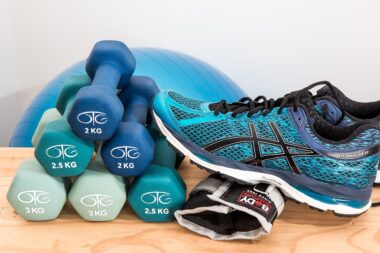

The Importance of Warm-Up and Cool-Down in Exercise Testing Protocols
Warm-up and cool-down phases are fundamental components of any exercise testing protocol. The warm-up facilitates a gradual transition from rest to activity, allowing the cardiovascular system to adapt effectively. During this phase, key physiological changes occur, such as increased heart rate and blood flow to muscles. This increased circulation prepares the muscles and reduces the risk of injury. By incorporating dynamic stretching and light aerobic activities, participants enhance their overall performance. Furthermore, warm-up assists in mentally preparing individuals for the testing session ahead, ensuring they feel more engaged. In contrast, the cool-down phase is equally critical as it allows the body to transition back to its resting state. During cool-down, controlled reduction in activity helps maintain proper blood circulation, preventing potential dizziness or fainting. Biomechanical efficiency will be retained better with a cool-down than without it. Together, these phases promote better test outcomes, enhance safety, and foster a greater understanding of an individual’s physiological responses to exercise. In summary, effective warm-up and cool-down strategies are vital for optimizing exercise performance and minimizing injury risks during testing.
Research has demonstrated that a well-structured warm-up routine can improve performance metrics in exercise testing protocols. This enhancement occurs due to muscle temperature increases and enhanced metabolic processes. Elevated temperatures lead to increased enzymatic activity, promoting faster energy production, which translates to better performance during exercise tests. Moreover, a comprehensive warm-up routine includes various movements targeting multiple muscle groups. These movements promote joint mobility and prepare the body’s coordination systems. In particular, dynamic stretches enhance muscle flexibility while reducing stiffness, allowing participants to perform at their best. Studies have linked effective warm-ups to reduced injury rates, highlighting their significance in training and testing environments. On the other hand, neglecting these essential phases can lead to poor performance and increase the likelihood of injuries. Similarly, the cool-down phase should not be overlooked; it helps gradually decrease heart rate and promote the clearance of metabolic waste products. Maintaining proper biomechanics and reducing muscle soreness rely on a focused cool-down routine. Therefore, implementing a well-rounded warm-up and cool-down strategy is paramount in exercise testing to enhance outcomes and ensure participant safety.
Proper implementation of warm-up and cool-down protocols starts with understanding individual fitness levels and needs. Before engaging in a testing protocol, assess each participant’s baseline fitness and health status. Adapt warm-up duration and intensity based on personal physical conditions. A universal approach may not adequately meet everyone’s specific requirements. This tailored strategy fosters an environment where each participant feels comfortable and confident during the exercise. Additionally, consider age, fitness background, and prior experience as critical factors. In young athletes, warm-ups may focus more on agility and flexibility, while older adults may benefit from a gentle range of motion and light aerobic activity. Furthermore, incorporating engaging methods can enhance participant adherence to protocols. Techniques such as gamification or group dynamics during the warm-up and cool-down phases can enhance the overall experience. Providing participants with adequate education about the importance of these phases reinforces their value and encourages compliance. It empowers them to actively participate in their safety and performance, increasing their chances of achieving optimal results during exercise testing. Consequently, individualized warm-up and cool-down routines directly impact testing efficiency and participant satisfaction.
Physiological Benefits of Warm-Up
The warm-up phase establishes several physiological benefits essential for exercise testing and performance. Increased heart rate during a warm-up signals the need for improved blood flow to the working muscles. As heart rate rises, more oxygen and essential nutrients are delivered via the bloodstream. This oxygen supply is crucial for energy production during vigorous physical effort. Moreover, a gradual transition in the warm-up helps mitigate the risk of cardiovascular complications that may arise from sudden exertion. The improved joint flexibility is another critical aspect; dynamic movements extend the range of motion and enhance neuromuscular coordination. This prepares the body for more complex movements required during testing. Furthermore, mental readiness is equally crucial. During the warm-up, participants often develop a clearer focus and boost confidence levels, allowing for improved overall performance. Reduced muscle stiffness is another benefit, as it enhances movement efficiency while lowering injury risks. As the warm-up concludes, participants should feel primed for testing, both physically and mentally. The intricate connections between the warm-up phase and optimal physiological responses further underscore its significance in exercise testing protocols.
Beyond the physiological advantages, the psychological impact of both warm-up and cool-down phases significantly contributes to exercise testing outcomes. Research suggests that the mental preparedness achieved through dedicated warm-up routines positively correlates with test performance. Participants experience reduced anxiety and increased motivation, essential for pushing their limits during exercise. Engaging in familiar warm-up routines helps create a sense of control and predictability, fostering a suitable mental environment for peak performance. Conversely, a well-executed cool-down promotes a sense of closure after intense exercise. These moments of reflection allow participants to acknowledge their achievements while reducing stress levels. Incorporating breathing techniques and visualization during cool-down can enhance relaxation and foster a sense of accomplishment. This psychological transition fosters awareness of their body’s response to exercise and facilitates recovery, both mentally and physically. Furthermore, participant feedback gathered during these phases delves into individuals’ emotional experiences, informing future warm-up and cool-down strategies. Thus, the mental aspects are central to overall well-being during exercise testing, shaping a holistic approach that considers both physical and psychological dimensions.
Injury Prevention Considerations
Injury prevention is a vital aspect of exercise testing protocols, and appropriate warm-up and cool-down strategies can significantly reduce the risk of injuries. Starting with the warm-up, including movements that involve dynamic stretching, helps prepare muscles and ligaments for stress. Research indicates that participants who engage in a structured warm-up routine display lower injury rates compared to those who skip this phase. Light exercises wake the neuromuscular system, increasing response times and coordination. This heightened awareness can also help during testing when sudden movements may occur. After completing the tests, the cool-down phase allows the body to gradually return to its resting state, thus reducing the chances of post-exercise complications and severe fatigue. Moreover, dedicating time for stretches during the cool-down further aids in muscle recovery and reduces soreness. Targeting specific muscle groups involved during the testing ensures comprehensive recovery. This proactive approach fosters long-term health and endurance, allowing participants to engage with future testing or training sessions without fear of injury. Consequently, incorporating injury prevention strategies significantly enhances the efficacy of exercise testing protocols.
Lastly, regular evaluation of warm-up and cool-down practices is crucial as it ensures that protocols remain effective and beneficial for all participants. A data-driven approach to refining these phases can enhance participant outcomes over time. Gathering feedback from exercise testing sessions, and analyzing them allows trainers, coaches, and exercise physiologists to identify areas for improvement. Based on participant experiences, adjustments can be made to tailor warm-up and cool-down routines, ensuring they remain relevant and effective. Incorporating the latest research findings into practice can also help optimize results. In this way, continuous improvement and adaptation create positive testing environments. Additionally, incorporating new evidence-based practices reinforces participant engagement, making them feel valued in the process. A holistic understanding of participants’ experiences contributes to shaping future testing protocols. Moreover, establishing well-documented warm-up and cool-down strategies makes it easier to educate newcomers entering training environments. In summary, evaluating, adapting, and enhancing warm-up and cool-down practices fosters an environment conducive to optimal exercise testing performance and participant safety.