
Designing Sport-Specific Training Programs
Creating specialized training programs for athletes is essential to enhance performance and minimize injury. Understanding the demands of each sport allows coaches to tailor exercises that will directly benefit athletes’ performance. Focusing on sport-specific skills, such as strength, power, speed, and endurance, is critical for optimal training outcomes. Evaluating each athlete’s physical abilities through assessments can identify strengths and weaknesses. Incorporating drills that mimic actual game scenarios enhances the transferability of skills to competitive settings. Periodization is also key to avoid overtraining, allowing for appropriate recovery periods while maintaining performance gains. Coaches should emphasize nutrition and hydration, which are vital aspects of performance. Athletes should receive guidance on meal planning and recovery strategies. Collaboration between strength and conditioning specialists, physiotherapists, and sport coaches fosters a comprehensive training strategy. Furthermore, mental conditioning cannot be overlooked, as psychological resilience plays a crucial role in high-pressure situations. The balance between physical, nutritional, and mental aspects ensures that training programs are holistic and address every component necessary for an athlete’s success. Ultimately, designing programs requires bespoke approaches that reflect the individuality of each athlete, ensuring optimal development pathways that facilitate long-term achievements.
Assessment and Evaluation
To design effective training programs, thorough assessment and evaluation procedures are necessary. This process begins with understanding the athlete’s current physical state, skill level, and historical injury data. Coaches must establish baseline measurements through physical tests, including strength, flexibility, and endurance. Functional assessments can further identify movement patterns that may lead to injury risks. Performance tests should align closely with the specific demands of the sport in question. Providing athletes with individual feedback empowers them to acknowledge their personal goals and areas requiring improvement. The use of technology, such as wearable devices and video analysis, can enhance evaluation techniques. Coaches should also consider psychological factors, assessing mental readiness or stress management capabilities. This comprehensive evaluation allows for informed decision-making in program design. Based on these evaluations, each program must emphasize progressive overload tailored to the athlete’s capability and growth potential. Regularly scheduled progress assessments help modify training regimens and optimize performance continually. Adapting programs based on athlete evolution ensures that individual growth remains aligned with collective team goals. A cycle of assessment ensures accountability while maintaining high motivation levels among athletes as they strive for improvement and excellence.
Incorporating Sport-Specific Skills
Integrating sport-specific skills into training regimens is paramount to achieve targeted performance objectives. For example, basketball players benefit from agility drills that improve lateral movement while soccer players must focus on endurance and kicking techniques. Training methodologies should reflect the unique requirements of each sport, allowing athletes to practice essential skills in a controlled environment. Skill acquisition is best facilitated by replicating game scenarios through situational drills; this creates a more intuitive transition from practice to competition. Additionally, developing muscle memory through repeated practice reinforces movements needed during games. Coaches should encourage deliberate practice techniques that cultivate refinement and precision in skill execution. Cross-training may offer additional benefits, introducing complementary skills from other sports to enhance athleticism. Incorporating a variety of training stimuli maintains athlete engagement and prevents monotony in their routines. Offering sessions focusing on tactical awareness reinforces decision-making under pressure, improving both individual and team performance. Balancing skill-based training with physiological conditioning creates well-rounded athletes capable of adapting to varying game conditions effectively. Ultimately, honing sport-specific skills enriches athletic performance while preparing athletes to tackle the multifaceted challenges of their respective sports on any given day.
Strength and Conditioning
Strength and conditioning programs play a pivotal role in an athlete’s training protocol. Enhancing strength is crucial to increase power output during performance, which directly influences sports success. Coaches must structure strength training to prioritize functional movement patterns such as squats, deadlifts, and bench presses. Establishing a solid foundation of core stability is vital; core strength supports overall athletic performance and aids in injury prevention. Conditioning needs to complement strength augmenting both aerobic and anaerobic energy systems as per the demands of the specific sport. Interval training can effectively simulate competitive pressures, pushing athletes to train at high intensities for shorter durations. Safety should always be a priority, so it’s essential to include warm-up and cooldown routines alongside strength and conditioning training sessions. Free weights and resistance training equipment should be introduced progressively, ensuring that athletes master proper techniques to reduce injury risks. Coaches and trainers need to educate athletes on the importance of recovery, emphasizing rest and nutrition’s role in building strength. Adapting strength and conditioning programs based on individual progress keeps athletes engaged and invested in their training pathways. Effective strength and conditioning regimes ultimately build athletes who can perform at their highest potential in athletic competitions.
Nutrition for Optimal Performance
Nutrition significantly influences an athlete’s overall performance and recovery capabilities. Coaches and trainers should provide comprehensive guidelines on dietary requirements tailored to sport specifications. Meal planning involves optimizing macronutrient ratios: carbohydrates for energy, proteins for muscle repair, and fats for sustained endurance. Each athlete requires individual assessments for caloric needs based on their activities and physiological demands. Hydration strategies must align with training intensities to prevent performance impairments due to dehydration. Post-workout nutrition is vital for recovery; athletes should be advised on timing their meals effectively to replenish used nutrients. Incorporating a variety of whole foods into athletes’ diets promotes essential vitamins and minerals which support overall health. Coaches also need to address topics like supplementation and anti-inflammatory foods, as these can further improve recovery and wellness. Encouraging athletes to keep food diaries can foster awareness of eating habits, leading to healthier choices. Team-building events that celebrate healthy eating are effective for promoting nutrition education collectively. Athletes who prioritize nutrition gain advantages over competitors, enhancing skills and boosting endurance during competitions. Ultimately, a focus on nutrition fortifies training programs, leading to optimal performance, resilience and longevity in athletic careers.
Recovery Strategies
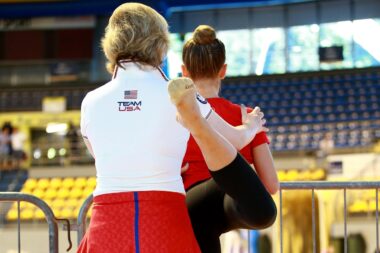
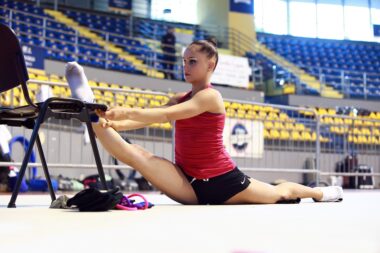
Implementing effective recovery strategies is vital for enhancing athletic performance and reducing the risk of injury. Athletes must understand their bodies’ signals during high-intensity training periods and recognize when to adapt their routines. Active recovery techniques, such as low-intensity workouts, promote blood flow, facilitating muscle healing. Strategies like stretching and foam rolling help alleviate muscle tightness after training sessions. Sleep quality should not be underestimated; ample rest enhances recovery processes and cognitive function. Coaches should guide athletes on establishing consistent sleep routines that allow for restorative cycles. Educating athletes about alternative recovery methods like massage therapy or cryotherapy can further support recovery efforts. Nutrition also plays a key role in post-exercise recovery, with adequate protein and carbohydrate intake being essential. Emotional and mental recovery should also be addressed, incorporating mindfulness practices such as yoga or meditation to relieve stress. Regularly scheduled recovery days allow athletes to mentally recharge while maintaining physical readiness. Monitoring fatigue levels ensures athlete well-being, preventing burnout or overtraining syndrome. Recovery must be viewed as part of training rather than a separate element; integrating it effectively supports athletes’ long-term development in their sports performance trajectory.
Maintaining Motivation and Mental Resilience
Motivation and mental resilience are pivotal in athletes’ journeys towards attaining their performance goals. Coaches play a crucial role in fostering an environment that encourages consistent effort and enthusiasm for training. Establishing a positive team culture promotes camaraderie and collective accountability among athletes. Setting specific, measurable, attainable, relevant, and time-bound (SMART) goals helps athletes carve their paths toward achievement. Regularly reviewing these goals and celebrating milestones creates positive reinforcement. Mental resilience is developed through challenges; introducing varied training stimuli can help athletes adapt to adversity. Providing athletes coping strategies to manage stress and anxiety can improve their mental fortitude during competitions. Visualization and mental imagery techniques allow athletes to mentally rehearse performances, enhancing self-confidence and focus. Encouragement for open communication fosters trust, enabling athletes to express challenges they may face. Coaches should provide constructive feedback, focusing on individual growth over the competition. Incorporating relaxation techniques into training can help athletes maintain composure under pressure. Moreover, mentorship from seasoned athletes can inspire persistence and dedication. By incorporating strategies centered on motivation and mental resilience, coaches can empower athletes to reach their full potential, preparing them for success in the sports arena.
Conclusion
In summary, designing sport-specific training programs require a comprehensive approach that encompasses assessment, skill development, strength training, nutrition, recovery, and mental resilience. Each of these elements contributes to an athlete’s capacity to excel in their respective sports. Coaches must prioritize individualized training regimens that adapt to the unique requirements of each athlete, surrounding them with the necessary resources for growth. Development pathways built upon continuous evaluation and adjustments ensure athletes remain equipped to tackle competition effectively. Commitment to enhancing each component within the training program guarantees not only robust physical health but also fosters personal development and positive sportsmanship. Building relationships among coaches, athletes, nutritionists, and mental health professionals creates a collaborative support system that further drives athlete success. Athletes become resilient and capable of overcoming challenges presented both in competition and personal growth. Ultimately, successful training programs prioritize the holistic development of the individual, ensuring they thrive as athletes, competitors, and individuals. By striving for excellence in their craft, athletes can achieve their highest aspirations and contribute meaningfully to their teams and communities. This balanced approach to athletic training promotes long-term sustainability, advantageously defining their sports career trajectory.