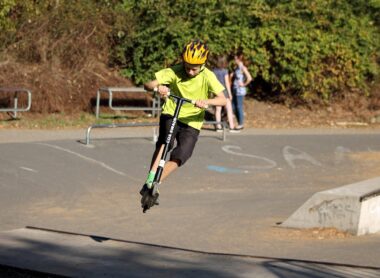

Skateboarding and Inline Skating as Cross-Training for Other Sports
Engaging in skateboarding and inline skating provides individuals with significant physical benefits that enhance their performance in various sports. These activities demand a combination of strength, balance, and coordination, which are essential skills across numerous athletic disciplines. As skateboarders or inline skaters navigate ramps and obstacles, they develop core strength and agility, allowing for better movement on playing fields. The dynamic nature of these sports encourages athletes to push their limits, thereby improving muscle endurance. Understanding and utilizing these skills can prepare participants for the intense physicality required in other sports like basketball, hockey, or gymnastics. Moreover, the focus required in skateboarding and inline skating translates into improved concentration and mental toughness. This transfer of skills can be beneficial in competitive environments where split-second decisions matter. Over time, cross-training in these board sports can lead to enhanced physical fitness and overall athletic performance. For athletes wanting to diversify their training regime, incorporating skateboarding and inline skating is a winning strategy that offers both challenge and enjoyment while significantly benefiting their primary sport.
Additional benefits are found in how skateboarding and inline skating promote cardiovascular health, which is crucial for endurance sports. The rhythmic movement and continuous motion involved in these activities provide an excellent cardiovascular workout. This aspect is particularly beneficial for athletes engaged in long-distance running, cycling, and swimming. By improving overall cardiovascular fitness, participants can enhance their stamina and endurance levels. Furthermore, engaging in these sports will help in reducing body fat percentage, thus contributing to overall health and effectiveness. Training through skateboarding or inline skating allows athletes to engage different muscle groups, promoting balanced physical development. The work done by the legs, arms, and core ensures comprehensive training instead of merely focusing on one set of muscles. These benefits culminate in improved performance metrics in sports requiring sustained cardiovascular output. When coupled with strength training, these activities can lead to superior athletic outcomes. Therefore, athletes who embrace skateboarding and inline skating as part of their cross-training routine may find new ways to excel in their primary sports through enhanced agility, strength, and cardiovascular conditioning, making it a holistic addition to their training regimen.
Improving Balance and Coordination
Balance and coordination are critical attributes for athletes in every field. Skateboarding and inline skating significantly sharpen these skills as practitioners constantly adjust their weight and body position to maintain stability. While performing tricks or simply skating around, athletes learn to react swiftly to shifts in their center of gravity. This ability to adapt can be crucial for sports demanding high levels of agility, such as soccer, basketball, and tennis. As balance improves, participants are more equipped to navigate unpredictable playing conditions or dodge opponents. Furthermore, enhanced coordination fosters better timing and body control, allowing athletes to execute plays and movements with precision. This translates into better performance in sports involving rapid changes of direction or high-speed actions. Importantly, these skills contribute to injury prevention by making athletes more aware of their movements and surroundings. The cross-training effect of skateboarding and inline skating leads to well-rounded athletes who can respond effectively to the dynamics of their sport. By integrating these sports into regular training, athletes can build a solid foundation of coordination and balance that enhances their overall performance across multiple disciplines.
Furthermore, skateboarding and inline skating are excellent tools for athletes to boost their creative problem-solving abilities. Engaging in these activities encourages individuals to think strategically about navigating obstacles and executing difficult tricks. This analytical approach is transferable to many sports that require tactical decisions. The essence of skateboarding lies in figuring out various ways to perform tricks, which fosters adaptive thinking. For instance, basketball players might find that the strategic thinking involved in figuring out trick sequences translates well into their game tactics, allowing them to perceive plays from multiple angles. This elevated cognitive engagement not only enhances skill execution but also develops mental resilience in facing setbacks. The exhilarating nature of skateboarding also serves as a motivational boost; athletes can find joy in practice, which encourages consistency in training. This positive attitude spills over into all areas of their athletic careers, resulting in more focused practice sessions. The unique challenge presented in mastering skateboarding tricks encourages athletes to embrace challenges, making it an excellent addition to any cross-training routine for obtaining a competitive edge in their chosen sport.
Social Connections and Team Building
Being involved in skateboarding and inline skating typically means participating in a vibrant community. These sports nurture physical and social skills, which are critical for success in team environments. Athletes have the opportunity to connect with others, partake in group training sessions, and share tips on mastering tricks. These interactions help build camaraderie and mutual support among participants. Forming connections with fellow skaters or boarders can bolster motivation and commitment to individual athletic goals. Additionally, those discovering the potentials of team training can see direct benefits in sports that require collaboration and teamwork. Exploring skate parks leads to opportunities for athletes to bond, creating friendships that can last a lifetime. The environment stimulates informal challenges that push participants beyond their limits while fostering a sense of belonging. This positive experience not only enhances personal growth but also aids in team dynamics. Athletes who thrive in friendly but competitive situations often find success in collaborating with teammates. Thus, the social benefits of skateboarding and inline skating extend into improved communication skills, teamwork, and community engagement, solidifying their values both inside and outside athletic performance.
Moreover, as athletes adopt skateboarding or inline skating into their training, they find a fresh means of expressing themselves physically. This element of self-expression fosters creativity, allowing individuals the freedom to develop their unique style on the board. This creative outlet can lead to a deeper emotional connection with the sport they primarily train for. Furthermore, when athletes engage in creative sports, it enhances their enjoyment and satisfaction, often leading to increased persistence in training. This fulfillment is integral to maintaining long-term sports participation and helps prevent burnout. Athletes often carry this sense of freedom and individuality into their primary sport, bringing innovative approaches and techniques previously explored on the skateboard. Skaters become more attuned to their body’s movements, allowing them to push past perceived limitations. The freedom associated with skateboarding can rejuvenate an athlete’s routine and spark motivation. Consequently, integrating skateboarding and inline skating not only contributes to skill enhancement but nurtures personal growth and creativity. Experiences in these sports will cultivate well-rounded athletes who think and move in unique ways that can set them apart in competition.
Conclusion: Embracing Diversity in Training
In conclusion, skateboarding and inline skating offer multifaceted benefits that contribute to athletic enhancement across various sports. By focusing on skills like balance, coordination, mental resilience, and creativity, these sports cultivate stronger, more versatile athletes. The diverse nature of these activities makes them an excellent cross-training option. Athletes interested in improving their performance metrics would be wise to embrace the insights gained from skateboarding. These sports provide enjoyable and effective workouts that prevent monotony in training routines and encourage social interaction. Further embracing skateboarding not only builds physical capabilities but also enhances cognitive functions known to affect athletic performance positively. As a cross-training method, integrating skateboarding and inline skating can lead to significant gains in athletic performance. Enjoying the process allows for the additional creation of social bonds, enhancing one’s athletic experience. Therefore, athletes of all shapes and skill levels are encouraged to explore skateboarding and inline skating as part of their training to see how these activities can augment their primary sports, resulting in overall development and greater satisfaction within their fitness endeavors.