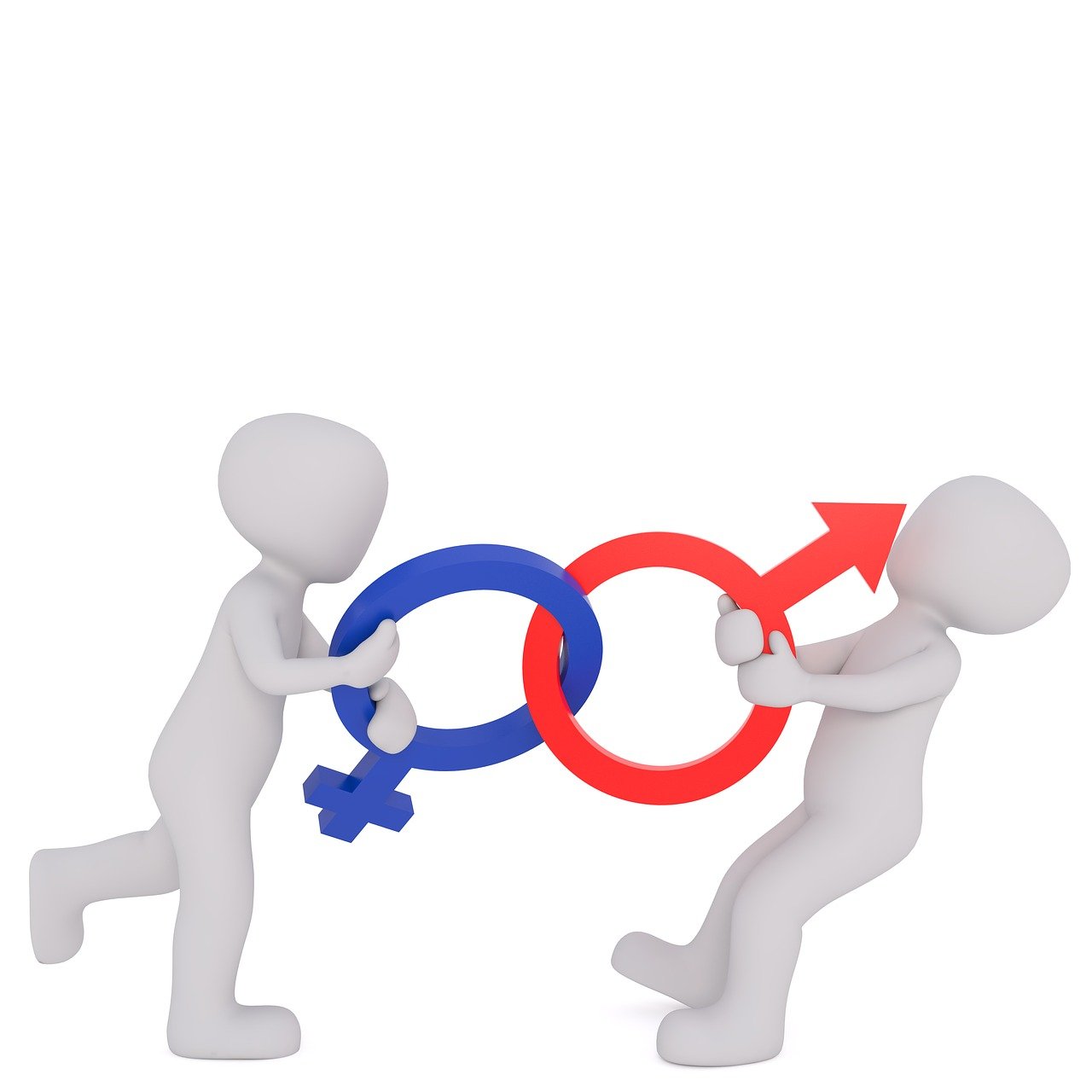

Gender Differences in Biomechanics and Injury Risk in Sports
Biomechanics plays a pivotal role in understanding how gender differences impact sports injury risks. Women generally have distinct anatomical, hormonal, and physiological characteristics that affect their biomechanics during physical activity. Factors such as wider hips, a higher center of gravity, and variations in muscle strength can contribute to different movement patterns. These distinctions can lead to increased vulnerability to certain injuries, particularly in sports with high physical demands. In order to develop effective prevention strategies, it is crucial to recognize these unique attributes. Studies indicate that women are more prone to injuries like anterior cruciate ligament (ACL) tears, which can be exacerbated by biomechanics specific to their gender. Training programs that accommodate for these differences are essential. Strong evidence suggests that tailored conditioning, focusing on both strength and flexibility, can significantly reduce injury rates among female athletes. Coaches should consider performance evaluations that include gender-specific biomechanical analysis. This leads to better informed intervention techniques. Ultimately, understanding biomechanics regarding gender differences can significantly improve safety and performance outcomes in sports.
Another contributing factor to injury risk includes hormonal variations that differ between genders. Estrogen and progesterone can influence ligament laxity in women, notably during specific phases of their menstrual cycle. This hormonal effect can lead to increased table of instability in joints, heightening the likelihood of injury. Additionally, neuromuscular control plays a critical role in joint stability and function. Research has shown that women frequently exhibit different neuromuscular responses when faced with sudden changes in direction or loading, which can further predispose them to injuries. This implies that training regimens should be specially crafted to enhance neuromuscular coordination for female athletes. Implementing injury prevention programs that address these specific risk factors has proven beneficial. These programs often include strength training, balance exercises, and flexibility routines designed to mitigate injury risk. Moreover, awareness and education surrounding these issues are vital for athletes and coaching staff alike. They must be informed about how factors like menstrual cycles can influence performance and injury susceptibility. When promoting safety in every sport, a comprehensive understanding of biomechanics is fundamental to safeguarding athletes and enhancing their longevity.
Importance of Tailored Training Programs
Tailored training programs can directly address the differences in biomechanics, thereby reducing injury risks. Proper conditioning based on gender specifics is instrumental not only for performance enhancement but also for injury prevention. Personalization in training regimens considers individual athlete’s physical characteristics, movement patterns, and prior injury history. For example, female athletes might greatly benefit from strength training that focuses on the lower extremities to strengthen the muscles that stabilize joints. Evidence supports that incorporating plyometric exercises can also improve muscular strength and reaction time. Flexibility has shown to have a preventive quality as well; thus, integrating it into routines is essential. Furthermore, utilizing sport-specific drills can help mimic game-like situations, preparing athletes for real-life scenarios they might encounter. The application of biomechanical analysis during training can highlight weak areas or improper techniques that should be corrected. This proactive approach not only helps in injury prevention but also boosts confidence levels among athletes. Coaches and trainers can set attainable goals with measurable outcomes to further motivate athletes, ensuring a consistent focus on safety and efficiency throughout the training process.
Additionally, research indicates that education plays a significant role in injury risk management. Athletes, regardless of gender, must comprehend the biomechanics of their movements to facilitate better execution and minimize injury probabilities. Comprehensive education can include workshops or seminars focusing on understanding biomechanics, awareness of body mechanics, and injury recognition strategies. Athletes aware of their specific biomechanical needs are empowered to take charge of their training, which can lead to improvements in performance metrics and reduce injury incidence. Inclusion of biomechanical assessments in team practices should be prioritized. Sporting organizations and institutions may look into regular assessments for athletes to establish performance baselines and adjust training regimens as needed. Injury prevention strategies should not be a one-size-fits-all model. Instead, they should be dynamically adjusted based on individual progression and emerging data regarding their performance. Utilizing technological advancements to monitor biomechanics can provide insightful feedback, which in turn empowers athletes and coaches alike. Ensuring a proactive approach to education, continuous assessment, and tailored interventions is paramount in minimizing gender-specific dynamics related to injury risk in sports.
Biomechanics and Recovery Strategies
Understanding biomechanics not only aids in injury prevention but also enhances recovery strategies post-injury. Gender differences also manifest in recovery patterns; thus, recognizing these variances can optimize rehabilitation processes for injured athletes. Typically, female athletes may take longer for collagen healing, resulting in prolonged recovery durations for certain injuries. Rehabilitation programs require careful planning that encompasses not only physical recovery but also psychological aspects, particularly post-injury confidence. A holistic approach should focus on gradually enhancing movement quality while ensuring comprehensive alignment with biomechanical principles. Engage multidisciplinary teams consisting of physicians, physiotherapists, and strength specialists to maximize outcomes. Following injury assessment, personalized programs can be outlined, which emphasize biomechanical correction of movement patterns alongside traditional therapies. Importantly, these programs should encompass a gradual return-to-play protocol ensuring full functional capacity is reached before athletes resume competition. Collaborative communication remains key during this period to monitor any signs of overuse or re-injury. Furthermore, integrating natural healing modalities alongside traditional treatment practices can encourage quicker recovery. A deeper understanding of gender-specific healing and biomechanics lays the foundation for successfully managing sports-related injuries and facilitating safe athlete returns.
Moreover, psychological factors should not be overlooked in the recovery process. Injured athletes, particularly women, might experience heightened levels of anxiety related to their performance post-injury. Fear of re-injury can impede overall healing and willingness to return to full activity. It’s critical that rehabilitation programs incorporate mental health support as an integral part of recovery protocols. Access to sports psychologists can offer athletes coping strategies and emotional support necessary for a holistic approach. By employing relaxation and visualization techniques, athletes can work on building a positive mindset towards their return. Open dialogues between coaches, therapists, and athletes help normalize these feelings, promoting understanding and mutual support. Educational resources about gender differences in recovery can also enlighten athletes about the specific challenges and hurdles that they may face. Integrating psychological resilience training in conjunction with biomechanical focus will prepare athletes not only physically but also mentally. The multi-dimensional aspects of sports injury recovery can yield significant benefits when understanding both psychological and biomechanical implications. Empowering athletes through comprehensive support systems is vital to foster confident and resilient individuals.
Final Thoughts on Gender and Biomechanics
To conclude, understanding gender differences in biomechanics and injury risk is essential in promoting athlete safety and enhancing performance. Comprehensive studies have shown that anatomical and physiological factors significantly impact injury rates, particularly in high-performance sports. Tailoring training interventions while considering these unique attributes can lead to effective injury prevention strategies. Educational campaigns ensuring that athletes are informed about their specific needs will foster a culture of awareness and preparedness. Furthermore, biomechanics plays an important role in shaping recovery protocols, adapting to distinct recovery timelines and emotional needs. Incorporating psychological insights alongside biomechanical principles paves the way for holistic recovery practices, thus maximizing rehabilitation outcomes. The journey toward minimizing injury risk and enhancing performance necessitates a collaborative effort among athletes, coaches, trainers, and medical professionals. By placing emphasis on gender differences, we embrace a more inclusive and effective approach to sports injuries and performance improvement. Ultimately, preserving athlete health while building competitive prowess ensures a balanced approach in sports, leading to greater long-term benefits for all involved.