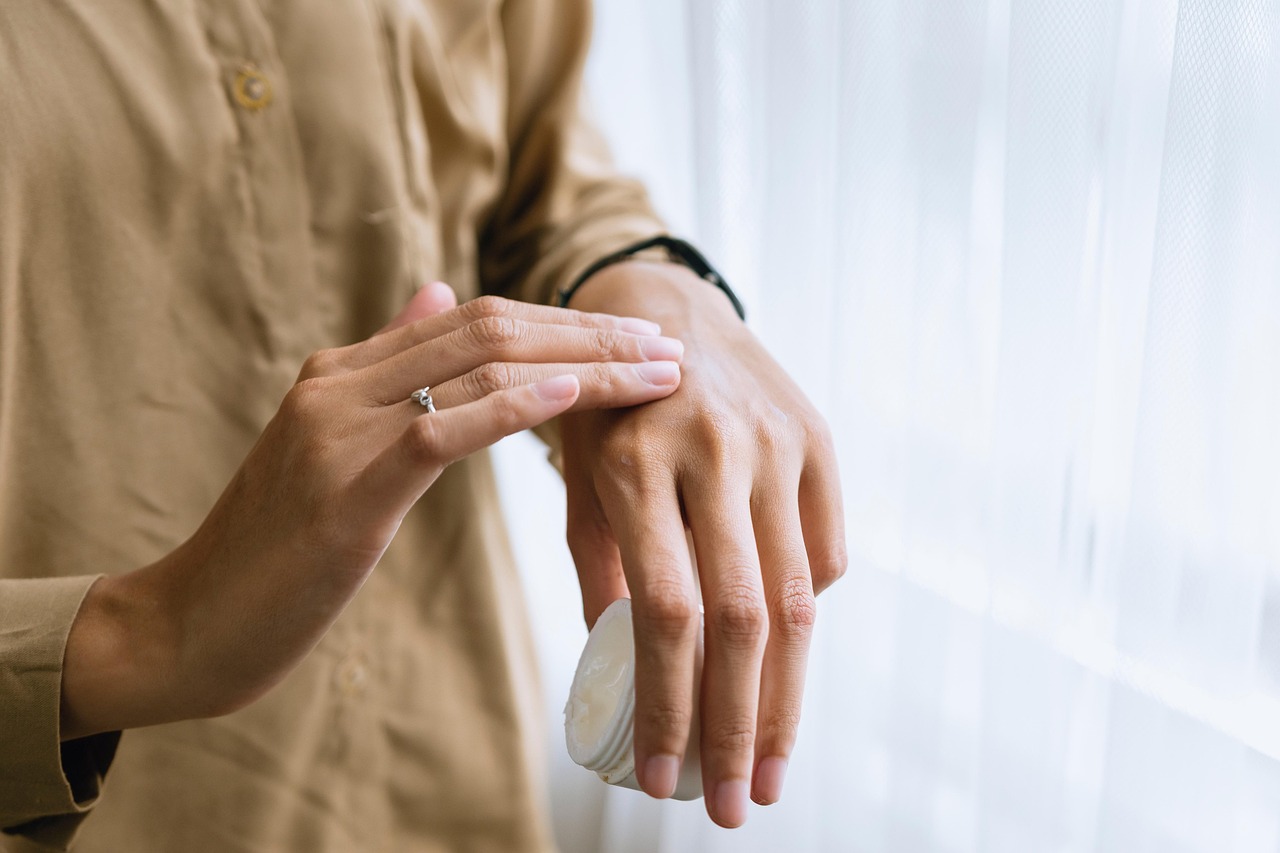

Tips for Maintaining Skin Hydration During Endurance Sports
When engaging in endurance sports, your skin can become dehydrated easily due to sweat loss and exposure to various environmental factors. Staying hydrated is essential for maintaining healthy skin, which acts as a barrier against external elements. One effective strategy is to drink water consistently before, during, and after exercise. This ensures that your body remains adequately hydrated, preventing dryness and irritation. It’s advisable to monitor your fluid intake, aiming to consume at least half your body weight in ounces of water daily. Including electrolyte-rich beverages can also help replenish lost minerals. Integrating hydrating foods into your diet is another viable option. Consuming fruits like watermelon, oranges, and cucumbers can enhance your hydration levels. Additionally, consider using moisturizing products designed for athletes, as they offer extra protection against sweat and environmental damage. Pay attention to your skin’s reaction post-exercise. If dryness or irritation occurs, adjusting your routine can help maintain its health. Adopting a holistic approach combining hydration, nutrition, and protective skincare is vital for enhancing skin hydration during endurance sports.
Understanding the signs of dehydration is crucial for athletes. Dry, flaky skin, combined with feelings of fatigue, can signal that you are not drinking enough fluids. To avoid these unpleasant symptoms, establish a hydration schedule tailored to your workout routine. Carry a refillable water bottle to ensure easy access to hydration throughout your activity. Creating a habit of sipping fluid regularly, rather than waiting until you feel thirsty, can make a tangible difference in your skin’s health. Another important aspect is to consider the type of sport you are participating in. For example, outdoor activities may lead to increased fluid loss from sweat and sun exposure. In these instances, applying a broad-spectrum sunscreen with moisturizing properties can prevent UV damage while also adding a layer of hydration to your skin. After every workout session, prioritize replenishing lost fluids by drinking water or recovery drinks. This practice not only enhances hydration but also supports muscle recovery and overall skin vitality. Overall, recognizing the symptoms of dehydration aids in consistently maintaining your skin’s hydration levels during vigorous endurance sports.
Incorporating Hydration into Training
Formulating a hydration plan is essential for effective training sessions. Before exercise, assess your hydration levels by observing your urine color; pale yellow indicates proper hydration, while dark yellow suggests dehydration. To improve your skin’s hydration, drink water or electrolyte beverages at least two hours prior to exercising. This prepares your body for the upcoming physical strain and assists in maintaining optimal skin moisture. During exercise, consume water at regular intervals. For longer sessions lasting over an hour, consider sports drinks to replenish lost electrolytes. Incorporating these drinks not only keeps hydration levels stable but also enhances endurance performance. Post-exercise, focus on rehydrating effectively. Wait roughly 30 minutes after completing your workout, then drink a recovery beverage or water efficiently to assist in the skin’s recovery. Adding a hydrating moisturizer afterward can also help lock in moisture, particularly if you have exercised outdoors. Use sunscreen to protect your skin from potential UV damage during your activities. By maintaining proper hydration habits during training, you can significantly contribute to skin hydration and overall health during endurance sports.
Additionally, consider the climate conditions during your endurance activities. Hot and humid environments can cause excessive sweating, prompting your body to lose more water and electrolytes. In such situations, adjust your hydration strategy accordingly. Take advantage of shaded areas when possible, and wear breathable, moisture-wicking clothing to help regulate your body temperature. This reduces the risk of overheating, which can aggravate skin irritation. Conversely, cooler climates can also pose challenges. Wind can lead to moisture loss, resulting in dry skin. Applying a hydrating barrier cream before outdoor activities can help protect your skin from these harsh environmental elements. Furthermore, focusing on a balanced diet rich in omega-3 fatty acids and antioxidants enhances your body’s ability to stay hydrated. Foods like fatty fish, nuts, and leafy greens offer excellent nourishment and contribute to healthy skin hydration. Staying well-nourished ensures that your skin possesses the necessary nutrients to combat dehydration during endurance sports. Overall, understanding and adapting to environmental factors significantly impacts your hydration strategy for healthy, hydrated skin while participating in various activities.
Post-Workout Recovery for Skin Health
Post-exercise care is crucial in maintaining hydration for your skin. When finishing your workout, take immediate steps to replenish lost fluids. Opt for a combination of water and electrolyte drinks to support both hydration and recovery. Drinking fluids cold may also help cool your body temperature, further enhancing the recovery process. After rehydrating, it’s important to cleanse your skin gently. Sweating can lead to clogged pores, so using a gentle foaming cleanser can help remove impurities without stripping natural oils. After cleansing, apply a hydrating moisturizer or lotion. Look for products containing hyaluronic acid, glycerin, or ceramides, as these ingredients help lock in moisture effectively. For additional sun protection, consider using a moisturizer with SPF. Taking these steps shortly after exercise prevents water loss and maintains skin elasticity, resulting in a healthy complexion. You may also want to include facial masks designed to hydrate and soothe your skin after intense workouts. Incorporating a post-workout skincare routine allows athletes to proactively protect their skin and enhance hydration in the long run, making it essential for skincare during endurance sports.
Moreover, consider establishing periodic skin assessments to evaluate the effectiveness of your hydration strategies. Fine lines, irritation, and dullness often indicate dehydration. Recognizing these signs early enables you to adjust your hydration and skincare practices accordingly. Incorporating hydration-focused supplements can also be beneficial; however, it’s essential to consult with a healthcare professional before introducing any new products. Omega-3 supplements, for instance, may help improve skin hydration and overall health. Pay attention to your skin after using specific products during workouts; if irritation occurs, reevaluating those products or seeking hypoallergenic alternatives may be wise. Additionally, consider reapplying moisturizing products during longer sessions when conditions become particularly challenging. Carrying a hydrating spray can offer instant freshness and relieve dryness throughout your endurance activities. The ultimate goal is to maintain a consistent approach while periodically assessing your skin’s response to different hydration techniques. Commitment to these practices not only boosts hydration but can lead to healthier, more resilient skin in the long run. Staying proactive in monitoring and adjusting your skincare habits is beneficial for sustaining hydration during sports.
Long-Term Hydration Strategies
Establishing long-term hydration strategies is vital for athletes who regularly participate in endurance sports. Over time, develop personalized methods to monitor hydration levels systematically. This could include maintaining a hydration journal or utilizing hydration apps that provide reminders and tracking tools. Consistent documentation helps identify patterns and techniques that work best for you. Setting achievable hydration goals, such as increasing fluid intake incrementally, can lead to gradual improvements. Sufficient hydration impacts not only skin health but overall well-being. Furthermore, staying informed about the relationship between environmental factors, workout intensity, and hydration is crucial. Attending workshops or reading articles on athletic hydration can enhance your knowledge and improve your strategies. In addition, collaborating with nutritionists or sports trainers can provide valuable insights. Creating an integrated approach encompassing hydration, nutrition, skincare, and overall wellness is fundamental for achieving optimal hydration. Addressing these elements collectively allows for better skin health and sports performance. Ultimately, implementing long-term strategies empowers you to successfully maintain your skin’s hydration and appearance throughout prolonged athletic endeavors.
In conclusion, maintaining skin hydration during endurance sports requires a multifaceted approach. Developing efficient hydration strategies, understanding the individual needs of your skin, and adapting to varying environments all play significant roles in your overall skin health. Regularly assessing hydration levels before, during, and after exercise can greatly impact how your skin reacts to physical activity. Tailoring your skincare and hydration techniques to fit your specific needs presents an excellent opportunity for improvement. It’s also essential to consider both immediate and long-term strategies in ensuring optimal hydration throughout your athletic endeavors. Knowledge about skincare can lead to more efficient product choices, as well as a better understanding of how different elements contribute to hydration. Remember that hydration not only enhances athletic performance but also promotes healthy skin. Prioritizing both aspects enables you to enjoy your sporting activities more fully with confidence. By adopting these practices and remaining consistent, you’ll find it easier to sustain optimal skin hydration. This results in healthier, more radiant skin, which can help alleviate concerns related to dehydration. Overall, commitment and knowledge are the pillars of success in achieving ideal skin hydration during prolonged exercise.