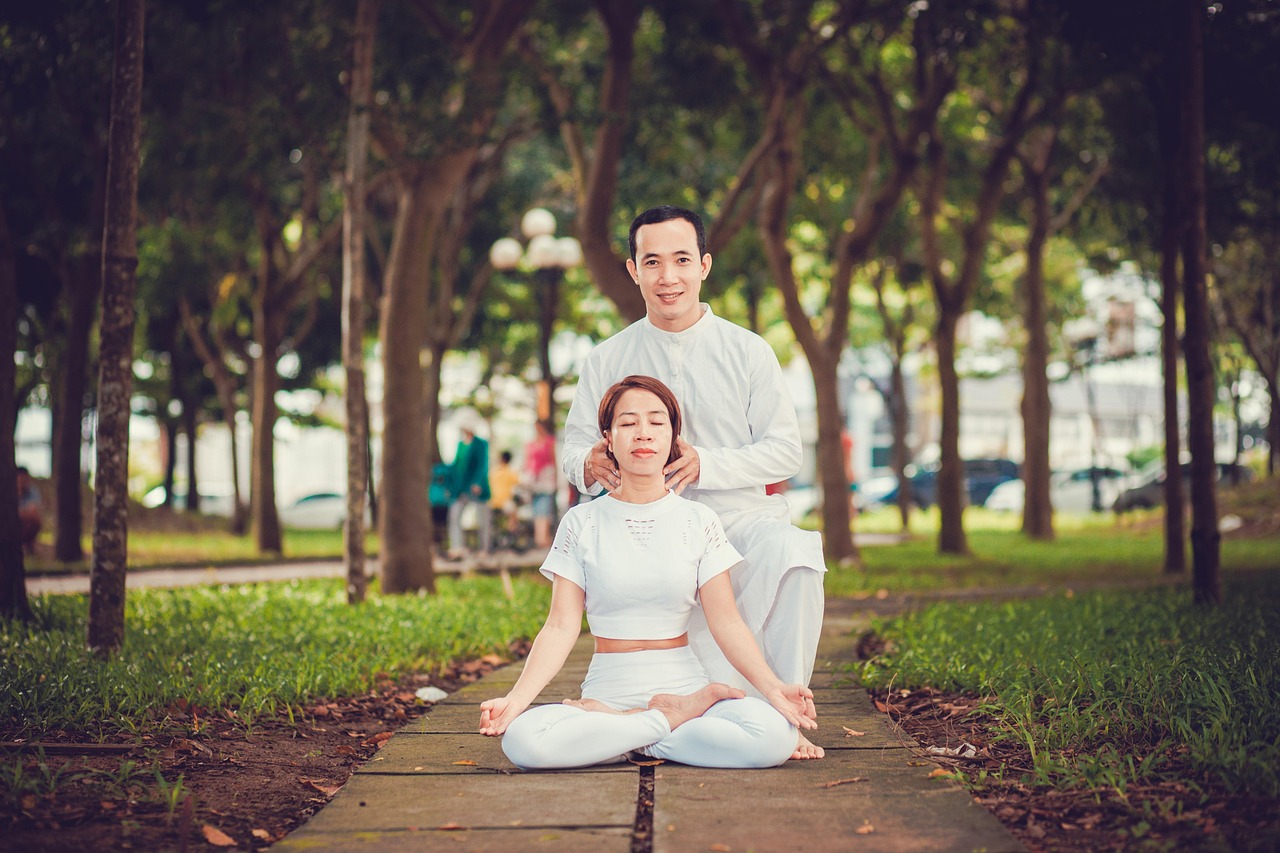

Combining Senior Yoga and Physical Therapy for Optimal Health
Seniors often face unique health challenges that require tailored approaches, particularly in physical therapy and yoga. The combination of senior yoga practices with physical therapy can be particularly beneficial. Yoga enhances flexibility, balance, and strength, which are essential for seniors. Physical therapy targets specific rehabilitation needs, making assessments essential for effective treatment. Integrating both methods creates a comprehensive wellness plan for seniors, paving the way for improved physical and mental health. Evidence suggests that physical therapy incorporates a more personalized approach, addressing limitations while providing the required support. As seniors age, regular interventions must focus on enhancing mobility, stability, and overall quality of life. Yoga’s calming techniques also help reduce stress and anxiety, making it a holistic approach that suits seniors well. Daily routines can be adapted to ensure safety and effectiveness during sessions. Fitness professionals specializing in elderly care can create varied plans by using equipment like resistance bands and stability balls, which enhance participation in both physical therapy and yoga sessions, ensuring that seniors achieve optimal health outcomes.
Combining Yoga with Physical Therapy: Benefits for Seniors Yoga practices such as gentle stretching or restorative yoga benefit seniors significantly when merged with physical therapy. This integration reduces risks of injury by emphasizing safety and comfort. Yoga encourages mindfulness, allowing seniors to connect with their bodies and tune into their physical needs. Physical therapy ensures that seniors are exercising within their limits, promoting healing. Additionally, coordination and stability gained from yoga practices help reduce fall risks, which are prevalent among seniors. Strengthening core muscles stabilizes their bodies, leading to overall improved balance. The broader range of motion developed through yoga aids in rehabilitation. Engaging in these combined activities helps seniors stay motivated, providing an enjoyable experience that fosters community. Notably, research underscores the mental health benefits associated with regular practice. These include reduced depression and increased motivation to stay active. Community classes can offer supportive environments that create social connections as well. For seniors, the fusion of these two disciplines creates not just a physical regimen but a wellness framework that supports mental and emotional well-being.
Implementing Yoga in Therapy Settings To successfully integrate yoga into physical therapy, practitioners should start with guided sessions. Trainers need to assess the health status of seniors first, ensuring that the yoga poses selected are appropriate. Specialized classes often focus on gentle movements designed specifically for older adults experiencing various health adjustments. Modifications allow individuals to engage in practices without discomfort, thus encouraging participation. Professionals must teach seniors how to perform techniques that emphasize breath control and relaxation. Educators can encourage exploration of yoga through standing, seated, and mat-based exercises tailored to individual needs. Progress tracking ensures that seniors derive maximum benefit from this integrated approach. Collaboration with physical therapists helps establish clear goals for each session, providing consistent feedback. Practitioners may also incorporate educational elements pertaining to health management. This combination not only allows seniors to gain physical strength but also enhances their understanding of their health conditions. Community workshops can also foster awareness and inform about yoga’s implications in therapy, successfully bringing this practice into mainstream treatment for older adults.
Common Yoga Practices Recommended for Seniors
Numerous yoga practices are beneficial for seniors, often tailored according to their physical abilities. Gentle poses such as Mountain Pose and Cat-Cow pose help improve posture and spinal flexibility. Seated forward bends can be effective in stretching the hamstrings while also improving circulation. Chair yoga offers a fantastic way for seniors to experience these beneficial stretches without needing to get up from their seats. Supported Warrior poses allow seniors to build strength while ensuring safety through stabilization. Focused breathing exercises, such as Pranayama, promote relaxation and oxygen flow to the body. Integrating balance-focused yoga poses like Tree Pose enhances stability as well. Mindfulness and meditation even contribute significantly to emotional regulation. During therapy sessions, these calming techniques facilitate stress relief and promote a sense of well-being. Seniors report higher satisfaction levels when yoga is part of their therapy routines. Engaging in regular yoga practice may help improve overall health outcomes. It’s essential to make adjustments according to individual capacity regardless of the selected practices.
Identifying the Right Instructors for Seniors Seeking to combine senior yoga and physical therapy, it’s vital to find qualified instructors. Professionals should have credentials in both physical therapy and yoga training, ensuring they understand the specifics of senior health. Certifications demonstrate their expertise in safely guiding seniors through practices tailored for them. Close attention to their communication style is equally important. Instructors with a gentle, encouraging communication style can create a supportive environment that fosters seniors’ confidence. Understanding varied health conditions such as arthritis, heart issues, or mobility challenges is crucial. Instructors knowledgeable about implementing modifications can significantly enhance the experience. They should be capable of leading a session that respects seniors’ physical limitations while promoting their advancement. Trial classes can help discern the right fit regarding style and approach. Additionally, fostering relationships within the class is essential since social connections boost motivation. Seniors are more likely to attend classes regularly when they feel comfortable and part of a community, enhancing both well-being and overall commitment to their health journey.
Safety Precautions in Practice
Safety must remain a primary concern in any senior yoga and physical therapy practices. It’s essential for professionals to create safe environments where seniors can exercise without risking injury. Proper warm-up sessions should precede most activities to prepare muscles and joints. Practitioners should facilitate comfortable sessions, closely monitoring seniors for any signs of difficulty. Clear instructions and modifications must be provided, ensuring every participant understands how to perform movements safely. Regular assessments of capabilities should inform instructor leads on adjusting routines appropriately. Promoting open communication allows seniors to express discomfort or concerns during sessions. Special attention to hydration and rest is important, particularly during extended exercise periods. Identifying the initial fitness levels will allow instructors to gradually advance movements responsibly. In cases of existing conditions like osteoporosis, specific poses should be avoided entirely to reduce risks. Utilizing props such as blocks, straps, and bolsters can significantly benefit those with limited flexibility or strength. Commitment to ensuring safety enhances the overall experience while facilitating the physical benefits sought from the combined practices.
Conclusion: Fostering Optimal Health Through Yoga and Therapy In conclusion, combining senior yoga and physical therapy holds remarkable potential for enhancing overall health. As physical well-being is vital for aging adults, a multidisciplinary approach proves successful in creating comprehensive wellness plans. When instructors and therapists collaborate, seniors can navigate their unique needs more effectively, resulting in enhanced mobility and balance. The fusion of targeted physical therapy with the holistic benefits of yoga creates pathways for improved emotional health and fitness. By fostering consistency in practicing these techniques, seniors can embrace healthier lifestyles that diminish risks of memory loss and chronic diseases. The mental engagement through yoga complements the physical focus of therapy, offering a more well-rounded heath strategy. Through community involvement, seniors can find support networks that encourage active lifestyles. All combining efforts ultimately lead to improved longevity and quality of life. With a clear commitment to safety, personalization, and openness to gradual modifications, seniors can enjoy better health while fostering connections within their communities, encouraging lifelong wellness journeys.