
How to Plan and Execute a Successful Open Water Swim Event
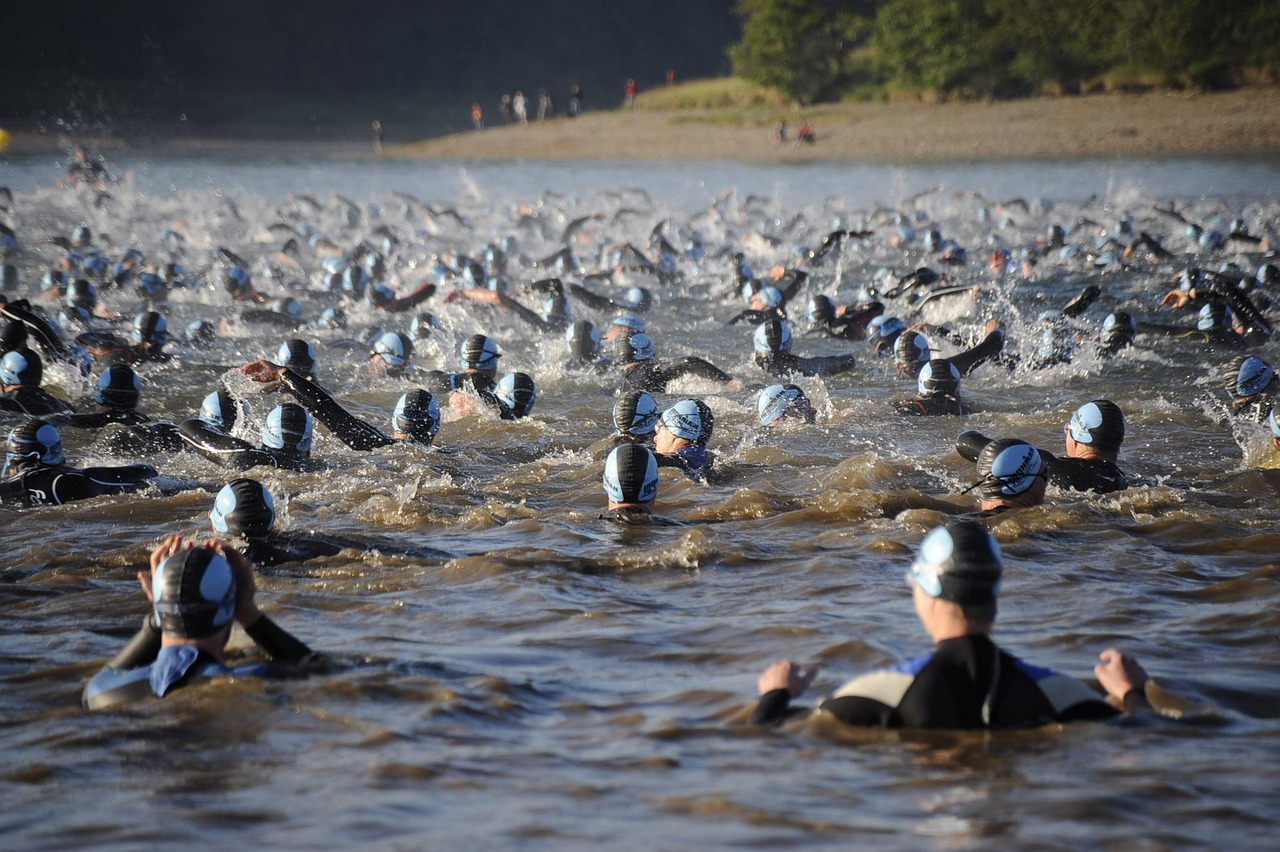
Planning an open water swim event can be significantly different from traditional pool swimming competitions. First, you need to select a suitable location, ideally with calm waters and ample space for participants. The chosen venue should have accessible entry and exit points, as well as facilities to support participants. Additionally, checking for local regulations is essential to comply with safety requirements. An event set on a familiar course can build confidence among swimmers. Identifying a route that is safe and challenging will enhance the swim experience. Furthermore, organizing logistical details like timing and buoy placement ensures smooth operation. Volunteers act as safety marshals throughout the course by providing support. Essentials include buoyancy aids and kayaks as safety measures, as well as water stations and medical teams on standby to assist in emergencies. Promoting the event to reach peak participation fosters a vibrant community spirit. Utilize social media platforms to spread excitement and gather interest. Hosting informational meetings helps answer participant questions, preparing them for race day. Finally, gather feedback from swimmers to improve future events and meet participant expectations more effectively.
Safety protocols are paramount when managing an open water swim event, as they ensure that all participants feel secure and prepared. Prior to the event, a comprehensive safety plan should be developed. This includes assessing weather conditions, water temperature, and visibility to ensure the course is safe for swimming. Also, consider the potential for strong currents and tides, which can impact swimmer safety. A well-staffed safety team must monitor the swim continuously. Assign adequately trained personnel to watch over swimmers and react promptly to emergencies. Using flotation devices and kayaks allows safety responders to reach individuals immediately if issues arise. An established communication system ensures that the team can report and respond to any incidents swiftly. Additionally, providing pre-event safety briefings for all swimmers sets expectations clearly. Emphasizing the importance of swimming within their limits can prevent accidents. Swimmers should also familiarize themselves with the course layout, including turning points and aids such as buoys. During the race, ensure hydration stations are available, along with first aid facilities, to maintain participants’ health and safety throughout the event.
Creating a seamless registration and check-in process is essential for the success of your open water swim event. Efficient registration minimizes wait times and maximizes participant satisfaction. Utilize online registration platforms to free up event day resources and facilitate payments securely. Prominently display clear instructions on your website to streamline the process, including guidelines on what participants should bring on the race day. Providing essential information on swim caps, timing chips, and identification is crucial. Designate a vibrant check-in area with visible signage for easy navigation. Staff check-in with friendly volunteers who can greet and assist participants. Making the check-in process more engaging, such as handing out race swag or goodies, enhances the experience. Offer participants pathways to complete forms quickly and to receive their race packets with ease. Consider using a color-coding system to group participants according to waves or age groups for clarity. Involve tech solutions for efficient timesheets and enable quick release of unofficial race results. Continually help reduce congestion at check-in by spacing out arrivals. Foster excitement before the race begins through warm-up activities while awaiting further instructions.
Event Logistics and Management
Effective logistics and management during the open water swim event play a crucial role in ensuring a successful experience for all participants. Begin by confirming the course layout and ensuring that buoys are adequately placed for navigational guidance. This not only maintains order but also enhances a professional atmosphere. Establish clear areas for spectators and swimmers, as this improves flow and boosts safety. A reliable timing system should be in place, whether through volunteers with stopwatches or automated systems capturing accurate times. Additionally, mapping out a clear protocol for emergencies helps everyone respond quickly. Medical teams should be stationed strategically throughout the course, ensuring they can reach swimmers if needed. Utilize a public address system for communication and updates, providing participants with essential information about race progress, safety, and hydration stations. Furthermore, ensure support boats or jet skis are prepared along the course, ready to assist in any unforeseen circumstances. Post-race, arrange logistics for post-event activities, including food and refreshments. Showcase results prominently, as participants appreciate timely updates about their placements and times, thereby enhancing their overall experience.
Marketing and promoting your open water swim event is crucial for attracting a larger participant base. Utilize online platforms effectively, engaging communities through social media to create buzz around the event. Creating event pages and sharing engaging content consistently leads to increased visibility and interest. Collaborate with local swim clubs, fitness centers, or outdoor groups to spread the word further. Offering early bird registration discounts can incentivize early commitment from participants, making it easier to gauge expected turnout. Additionally, creating an official website with detailed information regarding the race, such as updates, schedules, and safety guidelines, builds credibility. Incorporating engaging visuals, including photos from previous events, fosters enthusiasm and anticipation. Content marketing strategies, like writing blogs or producing videos highlighting training tips for open water swimming, can bolster interest. Providing valuable insights not only promotes your event but also engages audiences alike, creating a sense of community. Email marketing campaigns serve to remind participants of important registration deadlines, leading them back to your site’s registration page. Fostering interaction and communication ensures sustained interest in the lead-up to the open water swim event.
Post-Event Activities and Feedback
After successfully hosting an open water swim event, focusing on post-event activities can enhance participants’ experiences and build stronger connections. Following the swim, consider hosting a celebratory gathering for participants, volunteers, and supporters. This encourages networking and creates a sense of community. Refreshments, awards, and recognition ceremonies can boost camaraderie among attendees. Engaging participants after the race allows for a relaxed reflection on their experiences. Moreover, promoting social media interactions encourages them to share their event stories and photos, building excitement for future events. Sending personalized thank-you notes or emails to participants promotes goodwill and appreciation, often resulting in repeat registrations. Additionally, collecting feedback through surveys provides valuable insights into areas for improvement. Inquire about aspects like course organization, safety measures, and overall experience. Analyzing these findings helps highlight strengths and weaknesses, guiding future planning efforts. Lastly, using collected data to create a post-event report can help capture statistics, such as participation numbers and overall performance. This report can serve as a tool for future sponsorship negotiations, demonstrating your event’s value and growth potential.
In conclusion, planning and executing a successful open water swim event involves attention to detail and effective communication. From the initial planning phases to post-event follow-ups, consider every aspect of the event to foster positive experiences. Striving for safety, organization, and participant satisfaction leads to repeat registrations and enthusiastic community support. Stay adaptable to feedback and open to innovations in organizing swims, ensuring you are meeting participant expectations. Utilize modern technology to enhance registration processes, course monitoring, and result timing, creating a seamless experience for competitors. Moreover, by effectively marketing your event, you can build excitement and grow participation. Showcase the unique aspects of open water swimming to attract diverse groups and emphasize the event’s social engagement features. Remember that building relationships with local organizations and swim clubs strengthens your community presence. With thorough planning and effective execution, your open water swim event can become a highlight on the competitive calendar, leaving participants eager for future events and encouraging fitness through the thrill of outdoor swimming.