
Setting Up Your First Team Orienteering Event
Organizing your first team orienteering event can be an exciting yet daunting task. To start, gather a group of enthusiasts who share your passion for this unique sport. Creating a dedicated team ensures commitment and collective input during the planning process. It’s essential to establish roles within your team, such as event coordinator, logistics manager, and marketing lead. Each member should understand their responsibilities to ensure tasks are completed efficiently. Once your team is in place, focus on selecting a suitable location that is convenient yet challenging for participants. Look for an area that offers diverse terrain, good visibility, and access to necessary resources. Maps will play a crucial role in your event; consider hiring a professional mapper if you’re unfamiliar with cartography. The chosen venue should have adequate access and safety measures in place, such as emergency services and reachable landmarks. Finally, set a date that doesn’t conflict with local events to maximize attendance. To increase excitement, promote your event through social media platforms, local clubs, and community organizations, providing information about team requirements and event specifics.
Essential Equipment and Supplies
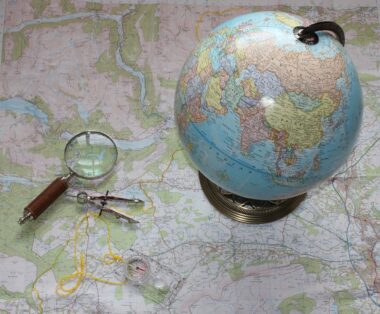
In the world of team orienteering, having the right equipment is vital for a successful event. First and foremost, participants will need detailed maps of the course area, emphasizing checkpoints and key navigation routes. You can either create these maps in collaboration with a cartographer or use available online resources. GPS devices or compasses are must-have tools for teams to enhance their navigation skills. Additionally, orienteering flags or markers should be strategically placed throughout the course, clearly indicating checkpoints. To ensure everyone is prepared, compile a list of necessary supplies such as first aid kits, whistles, water bottles, and snacks. Safe hydration packs are also helpful during the activity to remind teams to stay hydrated. When planning your event, consider incorporating a few team-building challenges or icebreakers at the starting point to ease participants into the competition. Prepare a checklist of items required on the event day to ensure nothing is forgotten, from registration materials to communication devices for emergency contacts. Also, consider providing personalized team shirts to foster group identity and encourage team spirit throughout the competition.
Communication is critical during orienteering competitions. Ensuring that all team members understand the rules, event schedule, and checkpoints will lead to a smoother execution on the day of the event. Harness various communication channels to relay instructions efficiently. Create a group chat or use messaging platforms such as WhatsApp to keep everyone updated. On the day of the event, hold a briefing clearly explaining the course layout, checkpoints, and safety protocols. This preparation helps participants establish a good understanding of their roles and objectives during the competition. Be prepared for questions and encourage teams to discuss their strategies openly. Age restrictions or participation rules should be clearly communicated, establishing boundaries to promote safety and fairness. Incorporating a warm-up session can help participants feel energized and focused. You may also want to remind participants about the importance of teamwork and collaboration in ensuring success. Additionally, establish a system for tracking team performance throughout the event, whether it’s through timekeeping or checkpoint validation. Finally, after the event, reach out to participants to gather feedback and encourage future improvements.
Safety Measures to Consider
Safety should be a top priority when organizing your team orienteering event. Begin by conducting a thorough risk assessment of the event location. Identify potential hazards, such as uneven terrain, water bodies, or wildlife, and strategize preventive actions. Make sure to have emergency procedures in place for injuries or incidents occurring during the event. Preparation should include coordinating with local authorities to ensure rescue services are aware of your event timeline and location. Providing a comprehensive briefing on safety protocols for participants will help them navigate the course without risk. Encourage teams to work together and communicate effectively. Establish a buddy system, where every participant has someone to check in with periodically. In addition, inform volunteers and organizers of their responsibilities in regard to participant safety. Having a reliable network of volunteers stationed at checkpoints can significantly enhance participant safety and also improve event flow. Outlining clear emergency contact information, such as phone numbers for event coordinators or local hospitals, can provide peace of mind. Always prioritize the welfare of your participants by ensuring they stay on marked paths, which will help them remain safe.
One vital aspect of organizing an event is obtaining necessary permits and insurance. Many localities require official permission to use public spaces for large gatherings or competitions. Familiarize yourself with local laws, regulations, and restrictions to ensure compliance. Research what permits are necessary in your area to host an orienteering event, as the requirements may vary. In addition to permits, acquiring liability insurance can protect you and your team against unforeseen incidents during the event. Prioritize safety by ensuring your coverage includes both participants and spectators. Leverage online resources to research insurance options available for outdoor sporting activities. Local sporting clubs may have insights into trustworthy insurance providers. Allocate an appropriate budget to cover costs associated with insurance and permits. Being financially prepared for these essential elements is critical to successful event planning. Furthermore, preparing a schedule that outlines key milestones will streamline the planning process. This schedule should include application deadlines for permits, timelines for equipment procurement, and communication touchpoints among team members. By maintaining organization and accountability, you can ensure that your team orienteering event is well-structured.
Engaging Participants and Building Excitement
Creating a buzz around your team orienteering event can significantly increase participation. Start by crafting an engaging promotional strategy that highlights the unique aspects of your competition. Utilize social media platforms like Facebook and Instagram to reach potential participants and to showcase the thrilling adventure aspect of your event. Share inspiring posts featuring previous competitions or testimonials from past participants. You could also run contests or early-bird registration promotions. Collaborating with local clubs or schools can help you connect with more potential participants interested in team sports. Organize pre-event training workshops to build skills and encourage teamwork. These workshops will help reduce newcomers’ anxieties and give them a taste of the sport. Consider offering team incentives or prizes based on creative team names or outfits, which fosters a sense of camaraderie. Post-event, share highlights through videos or photos, encouraging teams to relive their experiences and generate interest for future events. Leveraging participant testimonials can serve as authentic endorsements for subsequent orienteering competitions. Finally, maintaining open communication with participants post-event can help build a community around the sport, encouraging future engagement and growth.
After the competition concludes, it’s essential to evaluate the event’s success and areas for improvement. Gather feedback from participants, volunteers, and your organizing team to assess their experiences thoroughly. Use surveys or follow-up emails to collect opinions on various aspects of the event, from the course difficulty to safety measures and overall enjoyment. Discuss this feedback during a debriefing session with your organizing team to identify common themes or concerns. Recognizing strengths and weaknesses allows you to enhance future events. Acknowledging accomplishments and errors is crucial for continuous improvement. Sharing the resultss and highlights with participants, including media coverage, encourages a sense of achievement among teams. It’s essential to celebrate participation and any outcomes without monopolizing focus on winners. Building rapport with engaged participants can lead to word-of-mouth promotion and increased attendance in the coming years. Furthermore, maintaining a record of participant feedback forms a valuable resource for future planning. Collect photos and results from the event to create an archive and share with your community. By reflecting on the overall experience, you create a solid foundation for subsequent orienteering events.
Additionally, it’s vital to remember the need for a closing ceremony or celebration after the event. This allows for acknowledging the achievements of all teams, whether they ranked high or simply finished the course. Providing awards or certificates to participants creates tangible recognition for their efforts. Facilitate an environment where everyone can share their experiences, fostering camaraderie among teams. During this celebration, capture moments, and encourage participants to share their stories online—helping promote future events. A closing ceremony also serves as an opportunity to thank volunteers and sponsors, emphasizing their essential contributions to the success of the event. Showcasing your appreciation can cultivate supportive relationships with local businesses, which may assist in future collaborative endeavors. Alongside this, documenting the event through photography or videography helps create engaging content for future promotion. Sharing these materials on social media generates excitement and interest in upcoming events. In conclusion, organizing a team orienteering event involves thorough preparation, communication, safety, and community engagement. Take care to learn and adapt from each experience, ensuring that your next event builds upon previous insights and innovations.