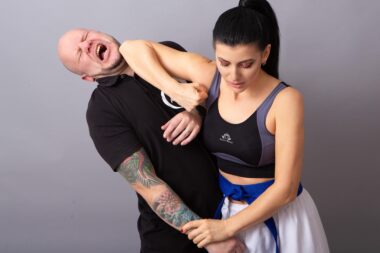

Key Components of a Successful Self-Defense Mindset
Developing a successful self-defense mindset hinges on understanding various essential components. First and foremost, awareness is vital. This includes being aware of your surroundings and identifying potential risks. A heightened sense of awareness can significantly decrease the chances of encountering danger. Avoiding high-risk situations and recognizing body language cues can further enhance your ability to stay safe. Secondly, mental preparedness plays a crucial role in self-defense. You must train yourself mentally to react swiftly and effectively in emergencies. Preparing for various scenarios—such as verbal confrontations or physical attacks—can help you respond with the necessary assertiveness. Practice visualization techniques to condition your mind to handle stress. Furthermore, it’s important to have confidence in your abilities. Building self-confidence comes from knowledge and practice. Engaging in self-defense classes will teach you techniques and boost your confidence to handle real-life situations. Additionally, it’s essential to maintain physical fitness. Regular exercise can improve your strength, speed, and agility, which are critical during confrontations. Overall, cultivating these components creates a robust foundation for an effective self-defense mindset.
Furthermore, the aspect of avoidance cannot be overlooked. Understanding conflict resolution skills helps in navigating potentially dangerous situations. The best course of action in many scenarios is to avoid confrontation altogether. Communicating effectively can diffuse tension before it escalates, allowing you to walk away safely. Practicing negotiation techniques can empower you to handle conflicts without resorting to physicality. Alongside these social strategies, learning to read body language can provide crucial insights. Recognizing aggressive postures or signs of intent can give you the upper hand in protecting yourself. Establishing a routine to assess your environment can also enhance personal safety. This means being selective about the locations you frequent and the people you associate with. Always trust your instincts; they serve as an essential warning system. In dire situations, knowing your escape routes is a practical step to maintain safety. Training in self-defense also intertwines with understanding the law regarding self-defense actions effectively. Awareness of your rights and responsibilities can help ensure you make informed choices during stressful encounters. Furthermore, familiarize yourself with self-defense gear options that can offer additional protection.
Empowerment Through Knowledge
Education and training are powerful tools in developing a successful self-defense mindset. Engaging with knowledgeable instructors provides valuable techniques and insights into physical self-defense and psychological strategies. This training can help demystify the process of self-defense. Workshops or courses focusing on various self-defense styles, such as Krav Maga or Brazilian Jiu-Jitsu, can provide practical skills applicable in real-world situations. Additionally, these environments foster a community of like-minded individuals who can support and encourage your self-defense journey. Researching self-defense literature and media can also enhance your understanding. Studies in psychology and body language can bolster your situational awareness and crisis management skills. Notably, self-defense is not only about physical confrontation; it encapsulates legal, ethical, and psychological dimensions as well. Understanding the legal ramifications of self-defense actions can prepare you for any aftereffects that arise from a confrontation. It’s imperative to be well-informed about the definition of reasonable force and the acceptable use of self-defense measures in your jurisdiction. Lastly, integrating self-defense mindset training into your life empowers you to take charge of your safety.
Moreover, practicing stress management techniques can greatly improve your self-defense capabilities. In high-stress situations, your body’s natural response may override logical thinking. Training in mindfulness practices, such as meditation or breathing exercises, allows you to maintain composure when faced with danger. By consistently practicing these techniques, you can condition your mind to respond calmly under pressure. Additionally, having a tactical plan for various scenarios helps ensure that you are ready to act when needed. Visualizing these responses can deeply engrain the behavior within your subconscious, enabling quick reactions in real situations. As you develop a more reliable self-defense mindset, embrace the importance of continuous improvement. Regularly evaluating your skills allows you to pinpoint areas needing enhancement or refinement. Surrounding yourself with training partners who challenge and motivate you can also spur progress. Learning from others with different experiences and expertise broadens your perspective and equips you with adaptable techniques. Ultimately, a growth mindset leads to a more profound understanding of self-defense principles, while simultaneously reinforcing confidence in your capabilities. Emphasizing resilience through relentless practice solidifies your position as a self-defense practitioner.
Building a Support System
In the journey of developing a successful self-defense mindset, building a supportive network is crucial. Engaging with like-minded individuals creates motivation and accountability. These connections can emerge from local self-defense classes, online forums, or community organizations. By sharing experiences, members can learn from one another, fostering a sense of camaraderie and collaborative growth. Finding a mentor who possesses proficiency in self-defense can further enhance your learning process. A mentor can provide personalized feedback, guidance, and encouragement as you navigate challenges. Support systems also offer emotional reinforcement during moments of self-doubt. Encouragement from peers can reinforce your commitment to mastering self-defense principles. It’s vital to surround yourself with positive influences that inspire growth. Additionally, consider participating in local events or workshops that emphasize self-defense education. Staying informed about community resources can enrich your self-defense knowledge and skills. Furthermore, learning from diverse perspectives will help you appreciate various self-defense methodologies and approaches. Joining local advocacy groups focused on personal safety can also extend your network and support as you build your self-defense toolkit. Engaging in meaningful conversations assists in unpacking personal narratives and shared experiences.
Taking self-defense training seriously requires dedication and commitment. Understanding the importance of consistency in practice ensures that your skills remain sharp and useful. Make it a priority to train regularly, whether through formal classes or self-study at home. Consistency is key in reinforcing muscle memory and tactical responses to various scenarios. Incorporating drills into your routine can also provide intense and structured practice. Furthermore, tracking your progress through documentation or journaling can serve as motivation. Reflecting on improvement strengthens your understanding of personal growth and the evolution of your skills. Setting achievable goals permits gradual development, keeping enthusiasm alive. However, it’s essential to stay realistic about timelines and outcomes. Self-defense mastery does not happen overnight; this effort requires a long-term commitment. Maintain a balance between physical training and mental conditioning to become a holistic self-defense practitioner. As your skills develop, remember to share your knowledge with others. Teaching others solidifies mutual learning and expands your overall understanding of self-defense principles. The ability to support fellow learners fosters an environment where everyone thrives, cultivating healthy, responsible attitudes towards personal safety.
Conclusion and Lifelong Learning
In conclusion, ensuring your safety through a successful self-defense mindset is a continuous journey requiring commitment and awareness. Understanding the interplay between physical skills and mental preparedness sets the foundation for personal security. As you cultivate your knowledge and abilities, remember that self-defense is not merely about combat; it encompasses the psychological aspects of perception, intuition, and interaction. Use this insight to navigate life confidently and responsibly. Embrace lifelong learning by seeking out new resources, perspectives, and methods of self-defense. The world is ever-changing, and so are the tactics and tools relevant to personal safety. Adapting to these shifts such as embracing technology in self-defense can provide additional safeguards. Also, nurturing the mindset of continuous improvement can yield profound benefits in both your self-defense abilities and personal well-being. Ultimately, understanding your unique circumstances empowers you to navigate personal safety proactively. This internal awareness shapes your self-defense journey and significantly influences your success in real-life situations. Always strive for progress, motivated by the objective of protecting yourself and those you love. Your dedication may inspire others to embark on their self-defense paths, creating a loop of empowerment.
Unquestionably, cultivating a solid self-defense mindset requires effort and resilience over time, impacting not only your safety but also enriching your life experiences. Keeping this perspective inspires ongoing growth and self-awareness.