
The Importance of Flexibility for Fall Prevention in Seniors
Flexibility plays a crucial role in fall prevention for seniors, helping to maintain their mobility and balance. As individuals age, their bodies often become stiffer, leading to a decreased range of motion in joints and muscles. This lack of flexibility can significantly increase the risk of falls, which is a leading cause of injury amongst the elderly population. Maintaining an ample range of motion aids in performing everyday tasks safely and can ultimately help seniors avoid dangerous falls. Regular flexibility exercises can also ease tension in muscles, allowing for smoother, more coordinated movements. When seniors engage in stretching routines, they can improve their muscle elasticity, which in turn supports balance and stability. Furthermore, flexibility exercises often include movements that mimic activities of daily living, thus enhancing functional fitness. By prioritizing flexibility training, seniors can cultivate strength in their muscles, which directly contributes to improved stability when standing or walking. Overall, incorporating flexibility exercises into a senior fitness routine is essential for empowering older adults to retain independence and minimize fall risks. Consistency in these practices can pay off remarkably, leading to safer personal environments.
Types of Flexibility Exercises
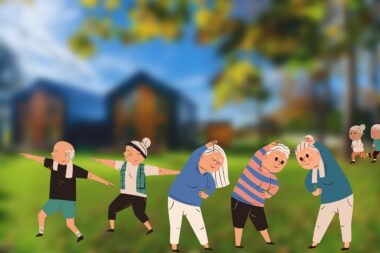
There are various types of flexibility exercises that are particularly beneficial for seniors as part of their fall prevention strategy. Some popular options include static stretching, dynamic stretching, and foam rolling. Static stretching involves extending a muscle group to its fullest point and holding that position, which can enhance flexibility and promote blood circulation. Dynamic stretching, on the other hand, utilizes controlled movements that gently engage muscles and joints through their range, preparing the body for physical activities. Foam rolling is a self-myofascial release technique that helps alleviate muscle tightness, improve circulation, and optimize performance. Incorporating a mix of these exercises can maximize their effectiveness and cater to individual needs. For seniors, it’s important to focus on stretches that target key muscle groups, such as the hamstrings, quadriceps, hip flexors, and shoulders. Gentle yoga or tai chi can also be fantastic ways to enhance flexibility, improve balance, and reduce stress. These activities can foster both mental and physical agility, contributing to overall well-being and enhanced mobility. Ultimately, choosing a variety of exercises can help maintain enthusiasm and commitment to a fitness program and improve the quality of life.
Benefits Beyond Flexibility
While flexibility is a primary focus for fall prevention in seniors, the benefits extend beyond just muscle elasticity and range of motion. Engaging in regular flexibility exercises can significantly enhance overall physical health, which is paramount for maintaining independence. Improved flexibility can also lead to better posture, reducing the likelihood of back pain and injuries stemming from poor alignment. Moreover, as balance and coordination improve, seniors may feel more confident in their abilities to move freely through their environments, fostering a sense of security. Additionally, incorporating flexibility training can serve to strengthen muscles throughout the body, further supporting stability and posture. Many flexibility-focused activities, such as yoga or Pilates, simultaneously promote mental health through mindfulness and stress reduction, which is incredibly beneficial for older adults. This holistic approach encourages seniors to be more active, leading to healthier lifestyle choices and improved social engagement. As a result, developing flexibility among seniors aligns with a broader health strategy, ultimately enhancing their quality of life and reducing the risk of isolation. Thus, it is essential for seniors to view flexibility not just as a physical improvement, but as an investment in their overall well-being and longevity.
Creating a Flexibility Routine
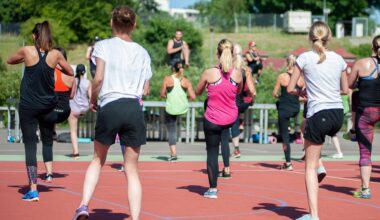
Creating a flexibility routine tailored specifically for seniors can be both enjoyable and effective. A successful routine should start slowly, allowing seniors to adapt to the exercises while considering any limitations or health conditions. Consultation with healthcare providers or fitness professionals can aid in designing an appropriate program, ensuring safety and efficacy. Warm-up activities should precede stretching; simple movements can effectively prepare the muscles for deep stretching. Once adequately warmed up, seniors can engage in a variety of flexibility exercises that target major muscle groups, maintaining a focus on controlled movements to minimize the risk of injury. Aiming for a consistent routine, with sessions occurring several times a week, can yield significant improvements in flexibility over time. It may be beneficial to incorporate social elements into the routine, such as group fitness classes or buddy systems. This fosters motivation and accountability, providing opportunities for socialization, which is vital for mental health. Additionally, seniors should track their progress, helping them stay motivated and notice the benefits they gain from their efforts. By nurturing a supportive environment and a structured routine, flexibility training can become an enjoyable and rewarding practice.
Safety Precautions
While promoting flexibility, safety remains a top priority for seniors engaging in physical activities. It is crucial for seniors to listen to their bodies and recognize any warning signs, such as pain or discomfort, during exercises. A gentle approach to stretching is advisable, avoiding any bounce or jerky movements that could lead to injury. Gradually increasing the depth of stretches can help seniors achieve flexibility without risking strain. Incorporating a balance component is also beneficial, as improving balance can further reduce fall risks. If instability occurs during exercises, utilizing support from a chair, wall, or sturdy surface can prevent accidents. Additionally, seniors should remain hydrated before, during, and after their workouts to prevent muscle cramps and fatigue. Wearing appropriate clothing and footwear tailored for exercise can contribute to comfort and safety. Lastly, it is essential to include a cool-down period after any workout to allow the body to recover and return to its resting state. These precautions not only ensure a safer experience but also foster a sense of confidence in seniors, enabling them to embrace flexibility training more effectively. By adopting a proactive approach to safety, seniors can enhance their overall exercise experience.
Community Resources for Flexibility Training
Incorporating flexibility training into a senior’s fitness routine can be supported by various community resources. Local community centers often offer fitness classes specifically designed for seniors, incorporating flexibility, balance, and strength training elements. Joining these classes can also encourage social connections, fostering friendships and motivation among participants. Many senior communities host workshops and seminars focused on fitness education, where seniors can learn about safe stretching techniques and the benefits of flexibility. Libraries may provide access to exercise DVDs or guided online sessions for seniors who prefer to practice in the comfort of their homes. Additionally, senior organizations typically offer access to fitness resources, including referrals to personal trainers who specialize in senior fitness. Online platforms have increasingly provided valuable health information, instructional videos, and fitness apps that cater to senior needs, allowing customized workouts based on individual fitness levels. For seniors interested in group activities, walking clubs or yoga classes can serve dual purposes of enhancing flexibility and providing an opportunity for social interactions. By leveraging these community resources, seniors can effectively enhance their flexibility while forming supportive connections, leading to a healthier and more active lifestyle.
Conclusion
In conclusion, flexibility is paramount for fall prevention among seniors, playing an essential role in their overall health and wellness. By emphasizing flexibility training, seniors can improve their range of motion, balance, and stability, which collectively reduces the risk of falls. Engaging regularly in flexibility exercises can also provide benefits beyond physical health, instilling confidence and encouraging active participation in community activities. As seniors strive to maintain their independence, a tailored flexibility routine can be instrumental in cultivating a strong foundation for mobility. Community resources offer valuable support, ensuring access to effective fitness programs adapted to their needs. Furthermore, prioritizing safety precautions will promote a positive experience as seniors embark on their fitness journeys. Ultimately, fostering a culture of fitness among seniors, with a particular emphasis on flexibility, can enhance their quality of life, reduce isolation, and promote longevity. Empowering seniors to remain active, flexible, and capable in their daily lives emphasizes the importance of proper training and community involvement. By making incremental changes and embracing flexibility practices, older adults can enjoy a fulfilling and enriched life, navigating their surroundings with confidence and ease.