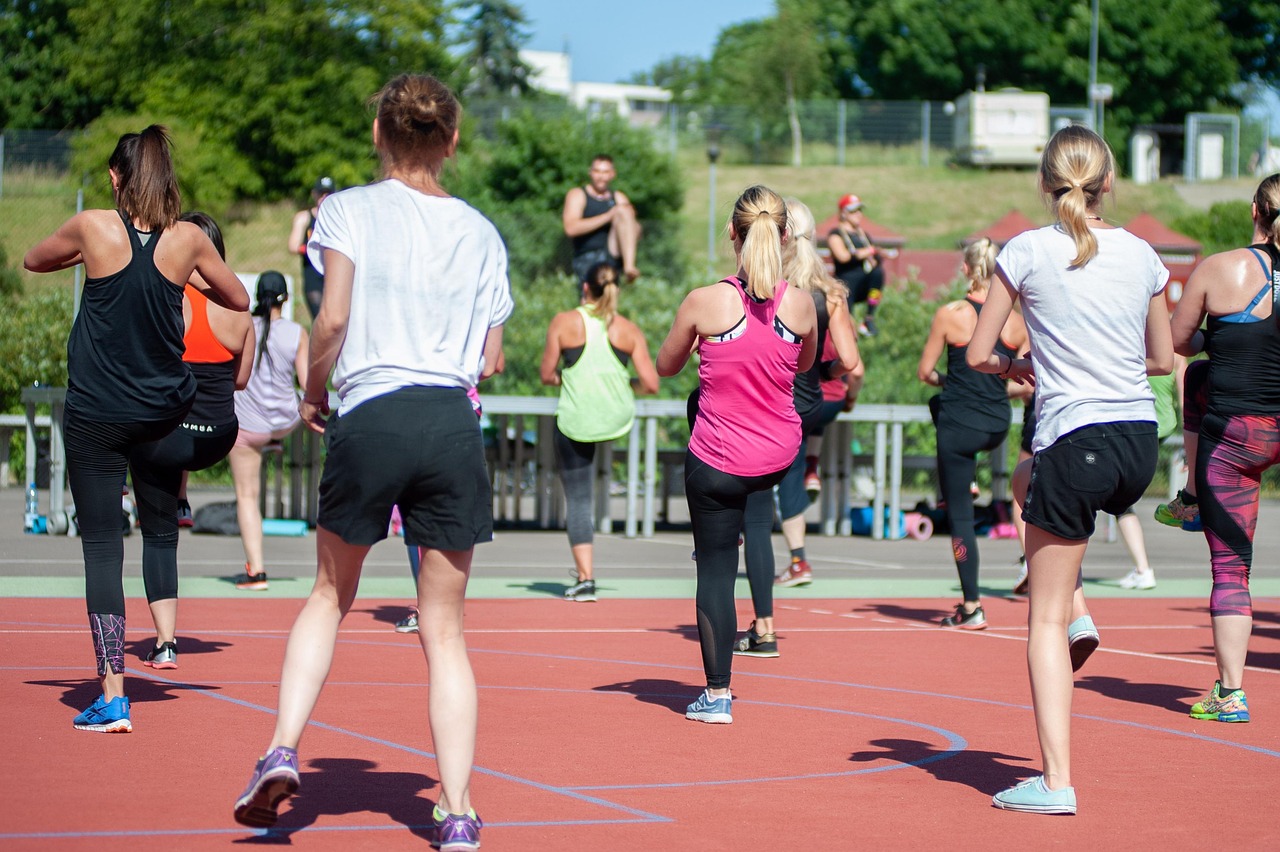

The Effect of Socioeconomic Changes on Dance Aerobics Participation
Dance aerobics has undergone considerable evolution over the decades, with socioeconomic factors playing a crucial role in shaping participation trends. Initially popularized in the 1980s, dance aerobics drew immense audiences as a vibrant way to stay fit. Economic prosperity allowed for the proliferation of fitness clubs which featured dance aerobics classes. The rise of disposable income provided individuals the freedom to prioritize personal health and fitness. However, as times changed, economic downturns led to decreased participation. Individuals struggling with finances often postpone personal pursuits like dance aerobics. Moreover, shifts in leisure activities have introduced fierce competition; alternatives like digital fitness apps have emerged, making traditional classes less appealing. With everyone facing different sets of economic challenges, participation levels reflect broader societal changes. For instance, increased after-tax income often indicates a rise in local fitness memberships. Cultural influences also contribute to these changing trends in participation; certain demographics might find dance aerobics more appealing based on regional cultural norms. Therefore, the interplay of socioeconomic factors drastically defines the trajectory of dance aerobics, highlighting the necessity to adapt in both instruction and outreach to maintain interest.
Additionally, societal participation in dance aerobics can significantly fluctuate due to socioeconomic changes influencing both availability and perceived accessibility. While the fitness industry underwent a renaissance in the 1990s, bringing newer styles and varieties of aerobics, the economics surrounding these classes also shifted. Many dance aerobics classes became more commercialized and costly, resulting in reduced participation among lower-income groups that previously flocked to studios. These communities often favored affordable local offerings, which sometimes became overshadowed by high-cost programs. The focus on wellness and fitness can also reflect broader socioeconomic structures; regions with higher median incomes typically exhibit higher participation rates in dance aerobics compared to areas facing economic hardships. The availability of community centers or subsidized classes in less affluent areas can help bridge this gap, encouraging participation among all socioeconomic strata. Furthermore, the integration of technology has made home workouts easier, albeit creating further distance between individuals and community-driven classes. Hence, the sustainable growth of dance aerobics hinges on addressing the cultural perceptions and economic barriers that continue to influence community interaction through dance.
Historical Context of Dance Aerobics
The historical context of dance aerobics offers valuable insight into how societal changes have affected participation. Rooted in the fitness boom of the late 20th century, dance aerobics reflects societal needs to promote health and active lifestyles amidst changing economic landscapes. Originating from traditional forms of dance, such as jazz and ballet, it morphed into a fitness craze that captured the attention of diverse communities. The initial push for adopting dance-based fitness routines came when instructors like Jane Fonda introduced easily accessible workout routines to the masses. This democratization of fitness made dance aerobics a household name. However, as societal values shifted towards efficiency and rapid results, the choreography became more complex, which may alienate potential participants. The increase also resulted in higher studio fees, and as financial costs rose, many individuals found alternate, cheaper fitness options. As a consequence, traditional dance aerobics faced competition from technologies providing at-home classes. Over decades, these fluctuations reflect the profound effect of socioeconomic changes on community inclusion in dance aerobics activities.
Modernity introduces challenges and opportunities for the future of dance aerobics participation, influenced strongly by economic conditions. Today, the emphasis on physical health and wellness shapes public expectations for fitness regimens and promotes diverse avenues for involvement. Dance aerobics, already rich in variety, can capitalize on this diversity by integrating popular music and trends into routines to attract younger demographics. As access to streaming technology and social media expands, formats like virtual dance aerobics classes offer unprecedented flexibility to engage more participants. However, these technological advances do pose threats to traditional studios that may struggle to attract clientele. Additionally, as socioeconomic disparities persist, enabling equitable access to resources is vital to enhance overall participation levels. Creating inclusive environments that cater to diverse backgrounds can build community. Fitness programs designed to meet the specific needs of various socioeconomic groups can empower individuals and foster belonging. These changes help redefine the dance aerobics landscape, encouraging a holistic approach that embraces both fitness and socio-economic realities. This transformative potential reinforces the idea that dance aerobics is more than an exercise; it can serve as a means of cultural connection.
Looking Ahead: The Future of Dance Aerobics
The future of dance aerobics lies in its ability to adapt and respond to socio-economic changes and community needs. As seen historically, periods of economic strain often lead to a reevaluation of personal interests, including fitness options. It is vital for fitness programs to remain inclusive while adjusting to preferences, demographics, and income disparities. The potential to create tiered programming, where cost does not become a barrier, can greatly enhance participation. Furthermore, integrating community voices into program design ensures that participants feel valued and represented. In this evolving landscape, fostering partnerships with schools, local businesses, and public health initiatives can create mutually beneficial outcomes that promote dance aerobics. By implementing innovative marketing strategies tailored to various socioeconomic groups, dance aerobics can expand its reach. Accessibility, tailored programming, and community support could enhance overall effectiveness. Health benefits associated with dance aerobics encourage sustainable adherence among participants. Additionally, addressing potential barriers such as transportation and affordability will be instrumental in bridging the gap between socioeconomic classes. The evolution of dance aerobics requires ongoing evaluation of participation trends to ensure program relevance.
Lastly, the journey of dance aerobics as a fitness phenomenon exemplifies the inseparable link between socioeconomic factors and community engagement. As these variables continue to evolve, future participation will likely reflect shifting cultural and economic landscapes. Establishing a robust framework for adaptability will be crucial for preserving the essence of dance aerobics. Whether through partnerships with local organizations or leveraging technology, finding innovative ways to enhance participation among diverse populations should remain paramount. Moreover, conducting ongoing research to capture evolving attitudes toward dance aerobics can unveil critical insights into motivating factors influencing people. Affordability and accessibility will play pivotal roles in maintaining relevance in the fitness industry. Establishing programs designed collaboratively with community input can foster a lasting impact on participation. Given the rise of wellness culture, integrating dance aerobics into comprehensive health strategies can yield substantial community benefits. Ultimately, evolving alongside socioeconomic changes ensures dance aerobics remains a beloved form of expression and exercise, fostering inclusivity and enjoyment among varied demographics. Such inclusive practices highlight the significance of adapting fitness spaces to better accommodate and serve the needs of diverse community members.
In conclusion, the interplay of socioeconomic changes significantly impacts dance aerobics participation over time. Recognizing the importance of history, community dynamics, and future prospects, those involved in fitness must adapt to emerging trends to keep participants engaged. Ensuring affordability, accessibility, and adaptability will strengthen the connection between cultural experiences in dance aerobics and the growing fitness landscape. By advocating for diverse participation, evolving programming, and collaborative partnerships, the transformative power of dance aerobics can lead health promotion efforts in communities. The journey of dance aerobics is emblematic of broader societal dynamics and remains a key player in enhancing the cultural fabric of fitness.