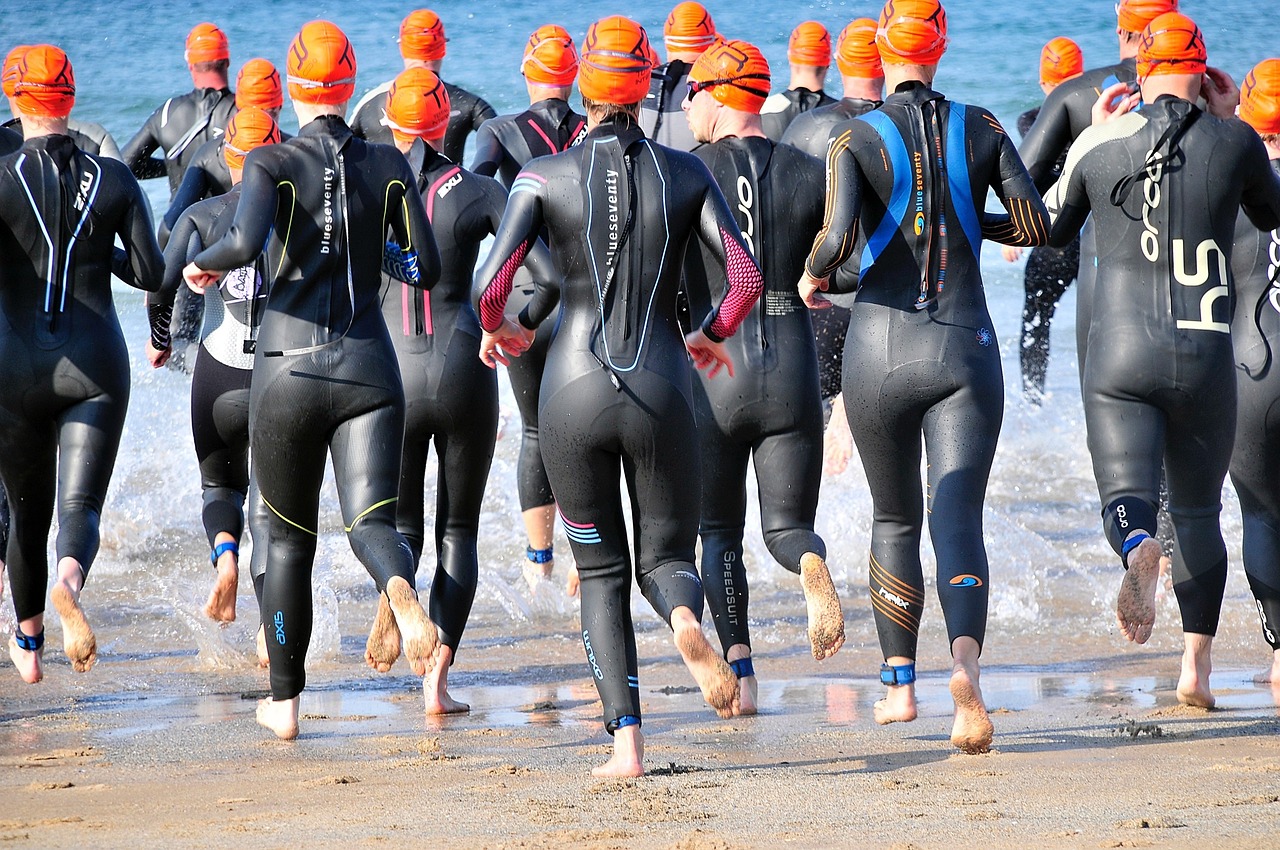

Preparing for Race Day During a Triathlon Training Clinic
In the world of triathlon, preparation is vital. During a triathlon training clinic, participants learn how to effectively prepare for race day. Key aspects of preparation include physical training, nutrition, and mental readiness. Understanding the importance of an effective training regimen cannot be overstated. Aspiring triathletes are encouraged to focus on building endurance and strength through a variety of swim, bike, and run drills. This requires not only commitment but also strategic planning. Moreover, dietary habits play an essential role in training performance. Athletes should be aware of the nutrients needed to fuel their bodies adequately. This can include carbohydrate loading before events and hydration strategies throughout the day. Additionally, the mental aspect should not be overlooked. Athletes often employ visualization techniques, assisting them in managing pre-race jitters. Lastly, attending a training clinic provides the opportunity to learn from seasoned professionals. Their insights can be invaluable, especially when it comes to race strategies and tips on overcoming common challenges. The knowledge gained can foster greater confidence leading into race day.
Among the many benefits of participating in triathlon training clinics, one critical aspect is learning how to properly execute a race day plan. A race day plan involves various elements, like arrival times, warm-up durations, and equipment checks. The plan can significantly reduce unnecessary stress on race day. Participants should consider attending multiple clinics before their event so that they can refine their plans with expert guidance. Clinics often include practical tips, such as arriving early to the venue. Taking time to familiarize oneself with the surroundings can enhance overall performance. Moreover, it’s also vital to check gear before race day. The last thing athletes want is for their equipment to malfunction. Common checks include ensuring helmets fit properly, bikes are tuned, and running shoes are comfortable. Notably, athletes should practice transitions from swimming to biking to running. Practicing these can make a significant difference in overall race time, particularly for beginners. Mental preparedness should also be addressed. Participants analyze past races, learning from successes and errors. These evaluations contribute to improved decision-making when faced with challenges during the race.
Nutrition plays a crucial role in triathlon preparation, particularly as race day approaches. Triathletes must understand what foods fuel their bodies effectively without causing discomfort. During triathlon training clinics, expert nutritionists often provide guidance on balanced diets. Participants learn to gauge what foods help sustain energy levels during rigorous training. Additionally, athletes are instructed on the importance of hydration. Drinking the right amount of fluids before and during the event is vital for maintaining peak performance. In the lead-up to the race, athletes are commonly advised on meal timing. This can include consuming lighter meals before big workouts, ensuring their bodies perform optimally. Energy gels and electrolyte drinks are also introduced during the clinic, highlighting what to use on race day. Furthermore, learning when to hydrate is paramount, as this dramatically affects stamina during the race. Ideally, triathletes should have practiced their nutrition strategies during training sessions. This helps eliminate surprises on race day. The knowledge gained from a nutrition-focused clinic can distinguish between simply finishing the race and achieving a personal best.
Equipment Essentials for Race Day
Another important topic covered in triathlon training clinics is the significance of selecting appropriate equipment. Whether it’s swimsuits, bicycles, or running shoes, each piece of equipment impacts performance. Athletes learn how to choose gear that maximizes efficiency while minimizing discomfort. For instance, a wetsuit should fit snugly yet allow for freedom of movement. Participants receive tips on how to maintain and care for their gear to ensure it’s race-ready. Having reliable equipment can significantly boost confidence, especially for newer athletes. Variations in bike types and accessories, such as helmets and shoes, are also discussed. Significantly, athletes are taught the advantages of lightweight bikes and aerodynamic positions. Proper fitting can alleviate the potential for injuries during both training and competition. Clinics often allow trial runs of different equipment types so attendees can discover what works best for them. Additionally, race-day essentials like energy bars and gels are often reviewed. Ensuring these necessities are packed and accessible can lead to smoother transitions between race segments. Overall, understanding one’s equipment contributes to race day success.
In addition to the physical preparation involved in triathlon training clinics, mental strategies are equally important. Athletes are often taught the value of positive thinking and self-affirmation techniques. Such methods help athletes cope with the pressures leading up to race day. Participants may take part in visualization exercises where they imagine successfully completing the race’s course. This mental imagery can be empowering and foster an athlete’s belief in their abilities. Additionally, training clinics explore how to set achievable goals. Effective goal-setting encourages athletes to focus on small milestones rather than feeling overwhelmed by the entire race. Setting performance-related goals, such as completing a certain distance or achieving a specific time, is essential for motivation. Surprisingly, clinics also address the significance of maintaining balance in life while pursuing competitive goals. It’s crucial for athletes to ensure that triathlon training doesn’t overpower other important aspects of their lives. Thus, a holistic approach that embraces sports, family, and friendships often emerges as a valuable theme. This balance keeps athletes happy and healthy in their endeavors, ultimately positively affecting their performance.
As race day approaches, athletes often find a combination of excitement and anxiety bubbling up within them. At triathlon training clinics, learning how to manage these emotions is invaluable. Professionals provide different techniques for calming nerves before competing. Deep breathing exercises, meditation, and mental rehearsal practices are highlighted as essential tools to keep pre-race anxiety in check. Additionally, clinics may discuss creating a personalized race day checklist. This checklist can include equipment items, food, and hydration needs to ensure that nothing important is overlooked. The greater the preparation, the less chance athletes have of feeling overwhelmed as they prepare for their race. Furthermore, participants are reminded about the importance of staying adaptable. Weather conditions may change, and unexpected challenges can arise during the competition. Learning to maintain focus and adaptability ensures that athletes can handle anything race day throws their way. Another significant area of focus often includes fostering camaraderie among athletes. Building connections during clinics can lead to valuable support and encouragement during races, which is crucial for any participant aiming to achieve their best performance.
Wrap-Up and Final Thoughts on Preparing for Race Day
In conclusion, triathlon training clinics serve as a vital cornerstone for race day preparation. They provide invaluable knowledge on various aspects essential for a successful competition. From understanding the correct nutrition and equipment to honing mental strategies, attendees gain comprehensive insights beneficial for race day. Clinics allow participants to connect with experienced athletes and coaches, heightening motivation levels. Importantly, the emphasis on holistic preparation highlights the multifaceted nature of training. Athletes become more adept at managing anxieties while simultaneously celebrating their achievements. Knowledge gained through clinic experiences can make the difference between a novice athlete simply finishing or achieving a personal best. Additionally, embracing a growth mindset nurtured during these clinics fosters continual improvement throughout one’s athletic journey. Ultimately, the skills and strategies acquired will serve participants not only in their upcoming races but also in their ongoing development as triathletes. With the right preparation and mindset, any athlete can cross the finish line with joy and pride. Attendees of triathlon training clinics undoubtedly find themselves better equipped to tackle forthcoming challenges on race day.
Moreover, race simulations often take center stage during clinic training. These simulations assist athletes in familiarizing themselves with the pacing and strategies they may employ on race day. Learning how to pace oneself across different segments of the race can significantly impact overall performance. Athletes also practice navigating transitions in real time to decrease time wasted moving between disciplines. Through continuous drills, participants can master the nuances of effectively executing transitions. These skills, acquired in a supportive, instructional environment, are then translated to actual race moments. Furthermore, race simulations provide athletes an opportunity to establish camaraderie and camaraderie is a significant motivator. When sharing challenges and triumphs, participants bond over their shared experiences, encouraging each other to push beyond their limits. Positive relationships established during simulation training can foster a support system that athletes can rely on during the actual race. The dynamic environment of a triathlon training clinic invites participants to explore their capabilities in a judgment-free space. Ultimately, these experiences contribute to not only performance improvements but also personal growth throughout the entire triathlon journey. Embracing these opportunities allows athletes to feel truly prepared come race day.