
Coping Mechanisms During the Rehabilitation Process
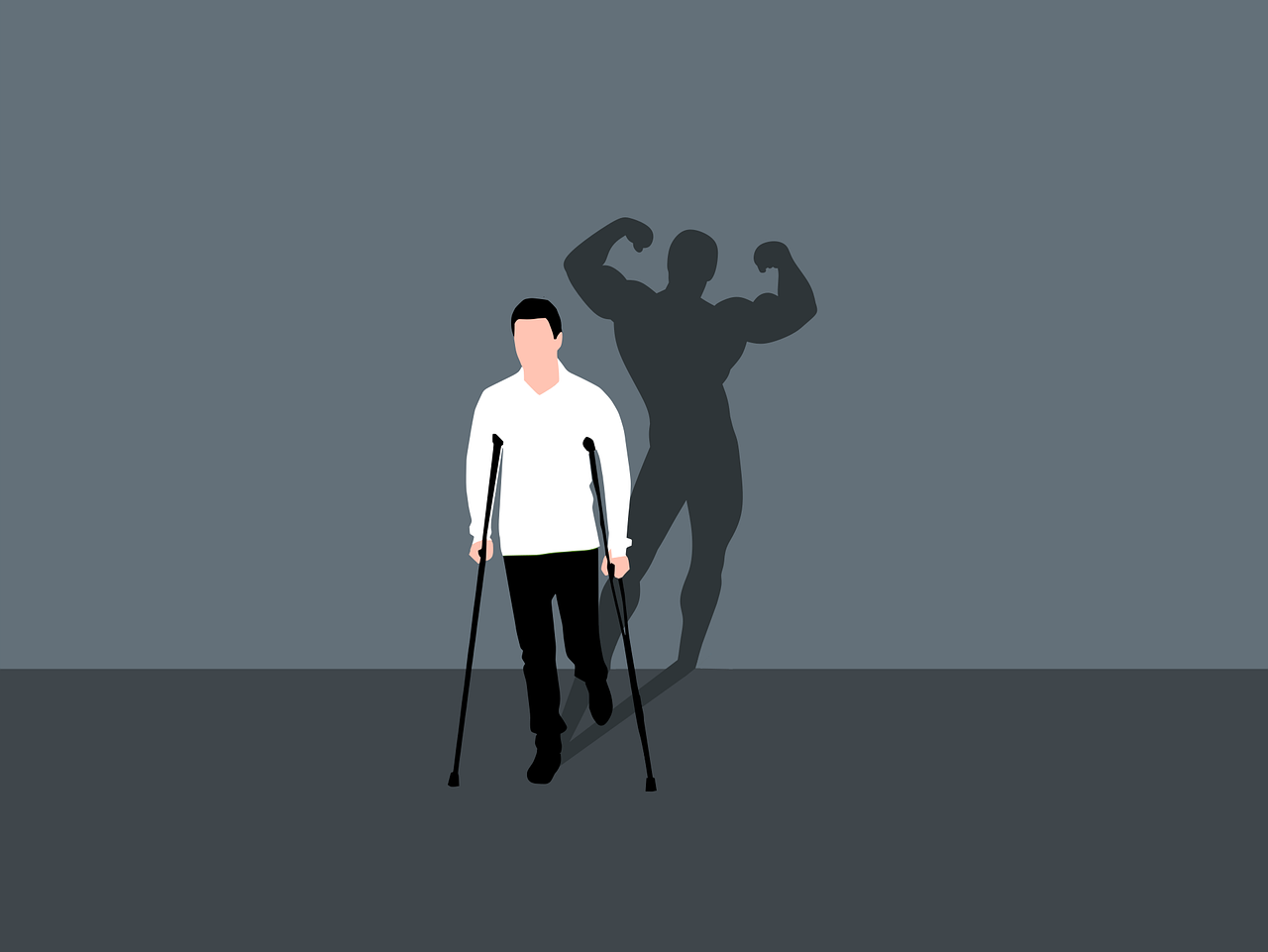
Coping mechanisms play a critical role during the rehabilitation process for athletes recovering from injuries. These psychological strategies assist individuals in managing the stress and emotional challenges that arise following a sports injury. Various techniques can enhance an athlete’s recovery experience, allowing them to focus on optimal healing and a return to their sport. Key coping strategies may include positive self-talk, visualization, and mindfulness exercises. Utilizing positive self-talk helps athletes maintain motivation and confidence, reducing negative thoughts about their injury. Visualization allows them to imagine successful performances while they are physically limited. By practicing mindfulness, athletes can better manage anxiety and maintain emotional stability. Support networks, including coaches, teammates, and mental health professionals, can also provide essential encouragement and guidance throughout the rehabilitation journey. Moreover, establishing realistic goals can help athletes feel a sense of accomplishment as they progress through their recovery. Understanding how to apply these coping mechanisms effectively is crucial in promoting a healthy mental state during this challenging time. Ultimately, the right strategies can not only aid physical recovery but also enhance psychological resilience for a triumphant return to competition.
In the context of injury rehabilitation, emotional responses such as frustration, anger, and sadness are common among athletes. These feelings can lead to decreased motivation, negatively impacting recovery timelines and overall well-being. Recognizing and validating these emotions is essential for athletes. It promotes a healthy space for processing feelings related to their injury. Many athletes find it beneficial to express their thoughts through journaling or talking with a trusted friend or therapist. Engaging in group therapy sessions specifically aimed at injured athletes can also foster camaraderie and understanding. Sharing struggles with fellow athletes often provides comfort and assurance that they are not alone in their experiences. Building resilience requires athletes to confront these emotions rather than suppress them. Emphasizing self-compassion can further assist in navigating the psychological hurdles associated with injury. Integrating a balanced perspective that includes acceptance of the situation is vital. This process allows athletes to learn and grow from adversity. Reframing the injury experience as an opportunity for improvement or personal growth is a powerful tool. These strategies ultimately contribute to a healthier mindset and smoother rehabilitation experience.
Building a Support Network
A well-structured support network can significantly influence an athlete’s coping process during rehabilitation. Family members, friends, coaches, physiotherapists, and sports psychologists play vital roles in this support system. Encouragement and regular check-ins from loved ones can uplift an athlete’s spirit, helping them stay on track with their recovery plan. Regular communication fosters a sense of belonging and reassurance that they are not alone in facing challenges. Coaches can provide essential guidance and motivation, helping athletes remain focused on their goals. Furthermore, involving sports psychologists can facilitate effective coping strategies, behavioral techniques, and emotional support as needed. Understanding the interplay between physical recovery and mental health is crucial. Mental health professionals can work with athletes to identify personalized coping mechanisms tailored to their individual needs. Athletes might also connect with peers who have experienced similar injuries, creating a sense of camaraderie and shared understanding. Support networks can be invaluable during rehabilitation, providing both practical and emotional assistance. Investing time in cultivating these relationships can form a strong foundation for mental health, ultimately contributing to a quicker and smoother recovery.
Setting realistic goals during rehabilitation can significantly impact the psychological resilience of injured athletes. Instead of overwhelming themselves with a return-to-play timeline, dividing the recovery process into smaller, manageable targets is crucial. This approach enables athletes to celebrate incremental achievements, reinforcing a positive mindset. For instance, an athlete might set a goal to regain a specific range of motion in their injured limb or to complete a certain number of rehabilitation exercises each week. Tracking progress helps maintain motivation and encourages a sense of agency over their recovery journey. Additionally, athletes should learn to adjust their goals based on their rehabilitation progress. Flexibility in goal setting allows for adaptations based on how they feel physically and mentally. Engaging with a coach or sports psychologist to set these goals can ensure they are both SMART (Specific, Measurable, Achievable, Relevant, Time-bound) and supportive. This collaboration fosters a partnership that can enhance accountability while also encouraging open discussions about emotions and struggles faced during recovery. Overall, responsible goal setting empowers athletes and helps sustain their focus amid challenges and uncertainties throughout the rehabilitation process.
Visualization and Mental Imagery
Applying visualization and mental imagery techniques can facilitate a better subconscious alignment during rehabilitation for athletes. These techniques promote mental rehearsal, allowing athletes to envision themselves completing physical tasks related to their sport successfully. Engaging in these mental exercises can bridge the gap between physical capabilities and mental preparedness. Visualizing oneself successfully participating in a fundamental movement or achieving a personal best can build confidence and fuel motivation. In addition, mental imagery helps reduce anxiety by preparing athletes for various scenarios they may face upon returning to competition. This preparation ultimately enhances performance and promotes a smoother transition to active participation. Athletes should set aside time daily to engage in visualization practices. This could involve choosing a quiet environment and employing soothing music or guided imagery resources tailored to their sport. Consistent application reinforces neural pathways essential for muscle memory and coordination. Incorporating feedback from coaches or therapists while practicing visualization can also help create a richer experience. Ultimately, these techniques foster a greater ability to cope with rehabilitation challenges and enhance an athlete’s overall mental resilience.
Mindfulness practices have been recognized for their effectiveness in fostering emotional well-being during rehabilitation. Engaging in mindfulness techniques allows athletes to focus on the present moment, detaching from anxiety and frustration surrounding their injury. Practices such as meditation, deep breathing exercises, or yoga can cultivate awareness of their thoughts and feelings without judgment. This non-judgmental awareness helps prevent negative emotions from overwhelming athletes during their recovery process. Moreover, mindfulness can facilitate acceptance of their current physical state while emphasizing growth and progress throughout rehabilitation. Rather than focusing solely on the end goal, athletes learn to celebrate small victories along the way. Mindfulness can also aid in relaxation, which is vital for physical recovery. Reduced stress levels can promote healing and improve adherence to rehabilitation protocols. Regular practice can improve not only mental health but also overall athletic performance. By developing a strong mindfulness practice, athletes may experience greater emotional resilience, which ultimately contributes to a healthier rehabilitation experience. Integrating mindfulness techniques into their routine can lead to improved focus, enhanced self-awareness, and a more positive outlook on their recovery journey.
Conclusion and Moving Forward
In conclusion, implementing effective coping mechanisms during the rehabilitation process is crucial for successful recovery among injured athletes. Positive self-talk, visualization, support networks, and goal setting can significantly influence both emotional and physical healing. Athletes who embrace their emotions and share experiences with trusted peers will likely foster their resilience throughout rehabilitation. Techniques such as mindfulness and mental imagery further enrich the process, promoting a healthier mindset. As individuals navigate the challenges of injury recovery, it is vital for them to consider seeking assistance from professionals like therapists or psychologists when needed. These experts can provide tailored coping strategies to further enhance the rehabilitation experience. With continued focus on mental health and emotional well-being, athletes can transform injury setbacks into opportunities for growth and self-improvement. The insights gained during this period not only prepare athletes for a successful return to competition but also equip them with skills to handle future challenges. Ultimately, fostering a holistic approach to rehabilitation that integrates physical, mental, and emotional aspects is paramount for achieving complete recovery and performance excellence.
Overall, athletes must recognize that dealing with injuries is an inherent part of their sports journey. Understanding this reality can help develop resilience and adaptability. Embracing this knowledge, athletes can cultivate mental and emotional tools that empower them throughout their careers. Consequently, rehabilitation becomes a more manageable process, enabling athletes to view it as a period of self-discovery rather than simply a setback. Each athlete’s journey is unique, and finding effective coping mechanisms tailored to individual needs is essential. Once they navigate this landscape, they are likely to emerge stronger, both mentally and physically. Maintaining a balanced perspective allows athletes to approach recovery, paving the way for a successful future in sports. Embracing the support of teammates and healthcare professionals can lead to enriched experiences during rehabilitation. Staying proactive in their recovery can also create experiences that affirm their potential. It is imperative to recognize that while sports injuries can be challenging, they offer a chance for profound personal growth and development. As athletes continue forward on their paths, adopting a mindset that values resilience and adaptability will serve them well in their future endeavors in sport.