
Plyometrics and Core Strength: A Winning Combination for Athletes
Plyometrics are exercises designed to produce powerful and explosive movements and enhance overall athletic performance. Athletes engage in these high-intensity workouts to improve speed, agility, and strength. The core plays a vital role in stabilizing movements and ensuring maximum efficiency during plyometric exercises. Properly integrating both aspects leads to remarkable advancements in an athlete’s capabilities. Notably, incorporating plyometric training helps athletes develop neuromuscular efficiency, which translates to better performance in their respective sports. Additionally, the emphasis on explosive power aids in transferring energy from the lower body to the upper body effectively during athletic movements. Given the intensity of plyometrics, a solid core significantly contributes to injury prevention. Athletes with a strong core are less susceptible to injuries related to muscle fatigue and strains. This is why incorporating core-targeted routines alongside plyometrics is crucial. Performing exercises like medicine ball slams or rotational movements can fortify the core area, incredibly beneficial during dynamic sports activities. As athletes develop power through plyometric training, it becomes increasingly essential to ensure core stability is not overlooked.
The Benefits of Plyometrics for Athletic Performance
Plyometric training presents numerous advantages beyond mere strength gains. One of the most significant benefits is improved explosive power, allowing athletes to generate more force in their movements. This is critical in many sports, such as basketball, track, and football, where quick bursts of energy are essential for success. Plyometric exercises improve muscular coordination, enhancing an athlete’s ability to react quickly during competition. Enhanced reaction time allows for superior performance during high-pressure scenarios. Furthermore, plyometrics can positively impact an athlete’s cardiovascular fitness, promoting better oxygen consumption during intense efforts. As athletes participate in these high-octane workouts, they develop muscle endurance alongside strength. Moreover, unlike traditional strength training, plyometrics can be conducted without needing extensive equipment–making it highly accessible for indoor or outdoor training environments. For athletes aiming to up their game, the adaptability of plyometrics means that they can modify workouts according to their specific needs, including adjusting intensity and complexity. Combining plyometric training with core strength techniques can ultimately yield astonishing results in overall athletic performance. With focused training regimens, athletes can effectively amplify their sport-specific skills.
Beyond performance, plyometrics are critical for enhancing biomechanical efficiency. These exercises promote the stretch-shortening cycle, enabling athletes to use elastic energy during rapid movements. As an athlete performs a plyometric exercise, their muscles stretch before contracting, thus storing energy for a powerful movement. This stored energy translates into improved jump height and stride length. Athletes experience not only greater explosiveness but also increased joint stability, ensuring a lower risk of injury during high-intensity sports. A robust core amplifies these benefits as it stabilizes the pelvis and spine during rapid movements. This stability allows athletes to execute explosive actions with precision and control. It’s vital to emphasize that focusing solely on strength training can lead athletes to neglect the functional aspects of plyometric conditioning. By incorporating plyometrics, athletes increase overall agility and their functional movement potential. The dynamic nature of these exercises builds agility by simulating movements commonly encountered in various sports. Athletes can train effectively for sudden directional changes, enhancing on-field performance and reaction times. However, appropriate program design and technique understanding are crucial for maximizing these benefits while minimizing injury risks associated with high-intensity training.
Integrating Core Strength Training with Plyometrics
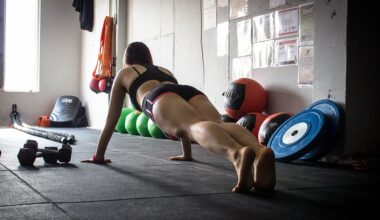
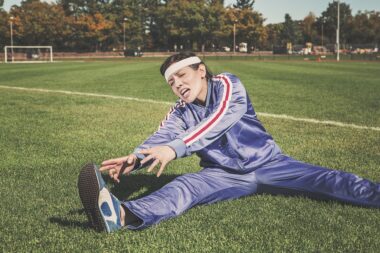
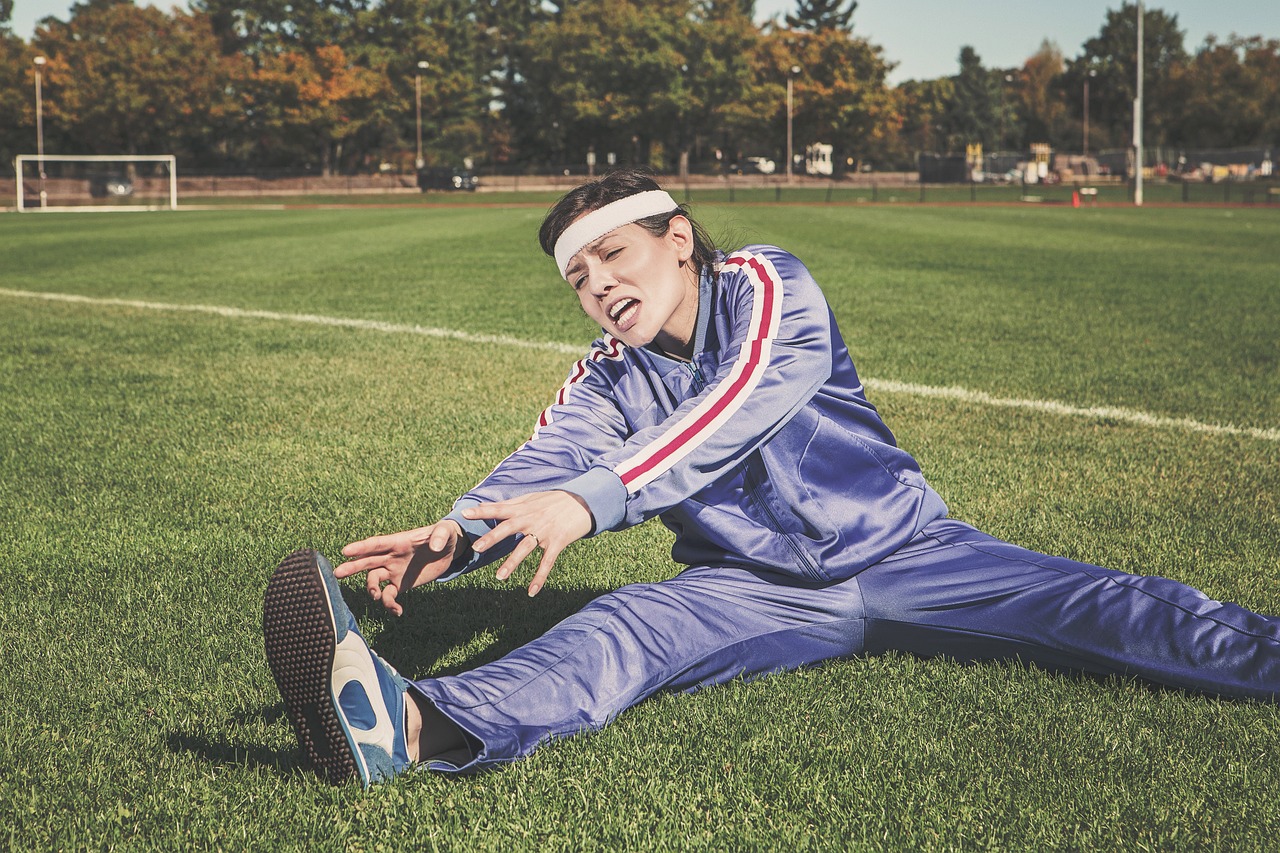
To maximize the benefits of plyometric training, integrating core strengthening exercises is essential. Core-focused workouts help reinforce the stabilizing muscles necessary for maintaining proper form during explosive movements. Understanding the demands of plyometrics can significantly impact the training strategy athletes adopt. Core strengthening can be implemented through static and dynamic exercises, ensuring comprehensive engagement of various muscle groups. Exercises like planks and Russian twists are effective additions to an athlete’s routine. Additionally, incorporating functional movements such as overhead medicine ball throws emphasizes coordination and explosive strength development. A well-rounded training regimen will consider how each core exercise complements plyometric maneuvers, ensuring no territory is overlooked. Athletes often overlook the importance of mobility and flexibility. Incorporating dynamic stretching to warm up before high-intensity sessions prepares muscles and joints for explosive movements. Athletes should never underestimate the balance between strength and flexibility. It can enhance their injury prevention efforts significantly if they blend plyometric training with comprehensive flexibility routines. Emphasizing core strength and flexibility collectively allows for peak athletic performance while maintaining the ability to withstand the physical rigors of competition.
Incorporating plyometrics into a personal training program can be transformative for athletes seeking gains in strength and agility. Choosing the appropriate plyometric exercises, such as box jumps, depth jumps, and lateral bounds, allows athletes to target specific areas they wish to enhance. It’s vital to structure workouts intelligently by varying intensity and volume to avoid overwhelming the muscles and ensuring recovery periods are observed. As athletes progress, increasing the complexity of the exercises can help continually challenge their bodies. It’s also crucial to balance between plyometric and traditional strength training to create a well-rounded program for optimal results. Many trainers emphasize the significance of individualized workouts tailored to an athlete’s unique goals, skill levels, and sports. Personalization ensures athletes experience not only maximum gains in performance but also less risk of injury during high-impact workouts. Monitoring progress and adjusting training protocols help maintain peak performance while effectively avoiding plateaus. Using feedback loops will allow athletes to optimize components of their training and stay committed to their goals. Building a training alliance with knowledgeable coaches will magnify the benefits of integrating plyometrics with core strength routines.
Conclusion: The Path to Enhanced Athletic Performance
In conclusion, the combination of plyometrics and core strength training holds immense potential for enhancing athletic performance. Athletes who prioritize these training modalities are better equipped to succeed in their respective fields. The dynamic nature of plyometric exercises improves explosive strength, agility, and speed, all essential components for competing at high levels. However, overlooking core strength can hinder the long-term benefits of these workouts and increase the risk of injury. Thus, athletes must elevate their core variables alongside plyometrics to achieve the best results in conditions that demand high-effort muscular exertion. Proper assessment of individual skills will allow for effective training programming while keeping athlete health at the forefront. A systematic approach combining functional exercises for both the core and the lower body yields superior strength and flexibility. Consistent commitment to a balanced, hybrid training regimen will enable athletes to break records and achieve their performance goals. As they progress, integrating feedback and continually adjusting their workout plans will lead to continuous improvement. This comprehensive outlook will ensure the path to enhanced athletic performance remains resilient amidst challenges.
Ultimately, the union of plyometrics and core strength embodies an athlete’s commitment to achieving peak performance. By understanding the key principles of each training element, they can capitalize on the synergies formed between these training methods. Engaging coaches can assist in maintaining focus on technical execution while offering the necessary encouragement throughout the journey. Ensuring a positive mindset and a robust support system creates a conducive environment for personal growth as an athlete. Pursuing fitness goals while embracing the intensity of proper plyometric routines fosters a sense of accomplishment, pushing athletes to reach new heights. As they witness progress over time, their confidence boosts significantly, directly influencing their competitiveness. Emphasizing the body’s unique capabilities, it ultimately guides them towards sports excellence. Amid the get-fit culture, prioritizing well-being alongside performance aspirations plays a crucial role in athletes’ long-term successes. The integration of plyometrics and core strength empowers athletes not only during training sessions but also translates to on-field performance and overall athleticism. By forging ahead with dedication, athletes can continuously strive to reach their highest potentials and inspire others in the process.
To summarize, plyometrics paired with core training creates a solid foundation for athletes striving for superior performance. Understanding the physiological aspects surrounding both training types is pivotal for functionally enhancing strength and overall athleticism. Focusing on coordination, balance, and muscle endurance ensures athletes remain at the forefront of their disciplines. This deliberate approach will reduce the likelihood of injury, allowing for consistent performance in training and competitions alike. Athletes must take the necessary time and patience to master techniques to yield effective results from plyometric training. Safeguarding health and recovering adequately post-training will lead to sustainable athletic growth. Furthermore, integrating the right combination of exercises fosters confidence and engagement, ensuring enjoyable workout sessions. Such a holistic strategy promotes commitment, encourages lifelong fitness, and inspires athletes to explore their limits continually. Incorporating additional conditioning strategies alongside plyometrics can further enhance performance outcomes. As the athletes set their sights on goals, they should harness the combined strength of plyometric and core training. What awaits is the potential for groundbreaking achievements in their athletic journeys to enhance both strength and explosive power.