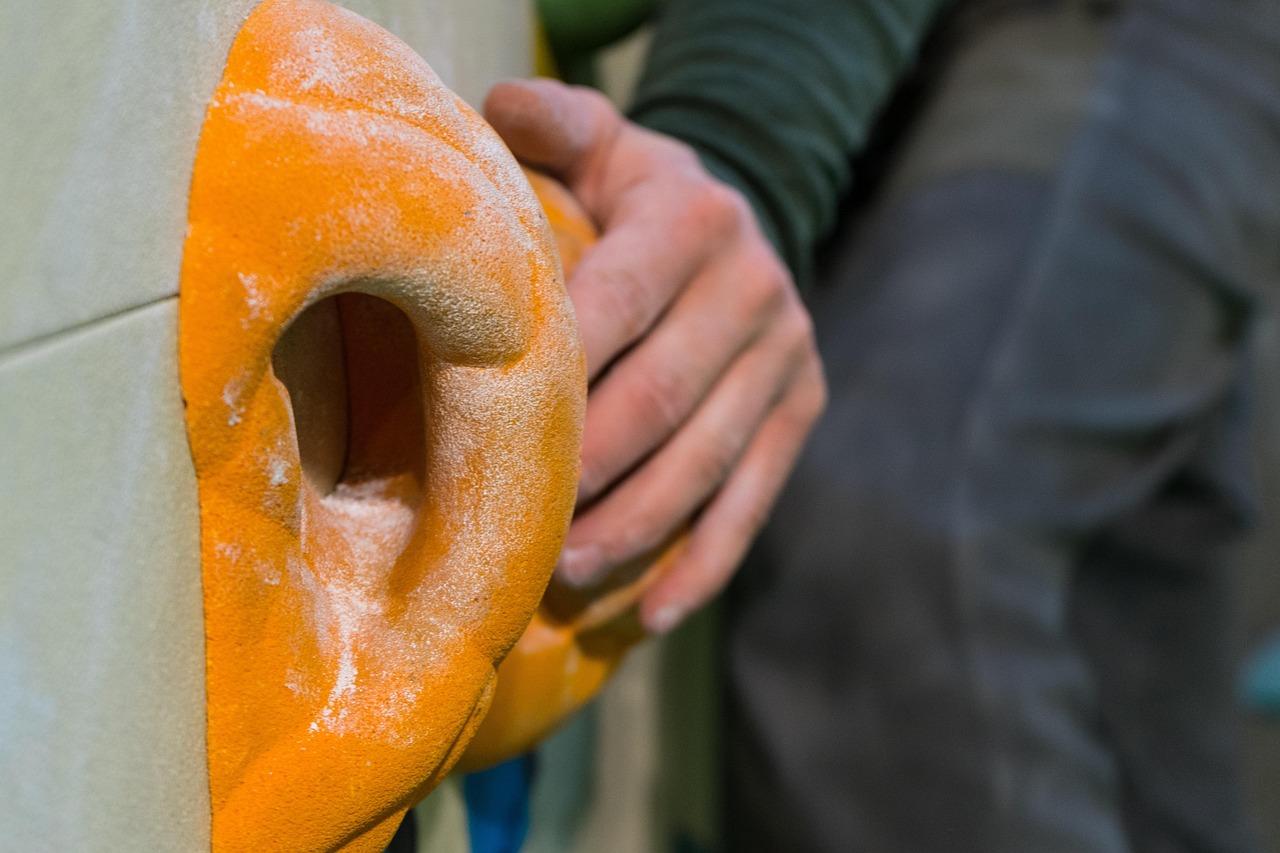

How to Build Your Own Home Bouldering Wall
Bouldering is an exhilarating sport that combines strength, technique, and creativity. Building your own home bouldering wall can enhance your climbing skills while providing a unique training space. Begin with thorough planning to ensure your wall is functional, safe, and fun. Choose an ideal location in your home, preferably a garage or basement, where there’s sufficient space. The wall should be constructed on a flat surface to provide stability and safety during climbs. Gather essential materials like plywood, 2x4s, screws, and climbing holds. Select holds based on your climbing preferences such as finger grips, jugs, or slopers. Next, sketch a design containing angles and dimensions suitable for the difficulty level you wish to tackle. Optionally, incorporate overhang sections to increase the challenge. Remember to account for padding beneath the wall to minimize fall risks. Consult various online resources or local climbing communities for inspiration and tips on wall angles and hold placement. Finally, once your wall is constructed, invite friends for fun climbing sessions and enjoy the process of honing your skills at home, ensuring you have everything you need for a great experience.
After planning the functional aspects of your wall, it’s time to design it aesthetically. Think about how you want your climbing wall to look; the colors, shapes, and overall vibe play an essential role in its appeal. You can paint the wall in bright colors that stimulate energy and motivation. Alternatively, consider a more subdued palette that creates a calming environment. Choose from various art and designs that resonate with you personally; decals or stencils can add personality to your bouldering wall. In addition, lighting can enhance the ambiance, so plan to include adjustable lighting options for better visibility during climbs. Incorporate shelving or storage for climbing gear and shoes to keep your area organized and streamlined. Make your wall not just a training ground, but also a centerpiece of your space that inspires you every time you see it. Consider experimenting with hold placements to represent certain themes or challenges. Take a moment to reflect on what makes the perfect climber’s environment for you. Focus on creating a wall that’s both functional and inspiring, elevating your bouldering experience and providing pride in your home climbing setup.
Gathering Materials and Tools
Once your design is set, it’s time to gather all necessary materials and tools for construction. Essential supplies include plywood sheets, ideally 3/4-inch thick for durability, along with a sturdy framing lumber like 2x4s or 2x6s to create the structure’s frame. You’ll need screws to secure everything in place, with the number depending on the design’s size and complexity. In addition, climbing holds are essential for enjoying the wall, with various sizes and types available to match your climbing style. Don’t forget safety gear, including crash pads and mats, to soften any falls during practice. For tools, you will need a power drill, saw, level, and measuring tape. A rubber mallet is handy for adjusting holds precisely. Purchase climbing holds specifically designed to be bolted onto your wall. Check local climbing shops, or explore reputable online retailers. Be sure to aim for quality over quantity; a few well-placed holds can provide too much fun. Lastly, schedule uninterrupted time for the building project, ensuring you have everything organized. With the right tools and materials, construction is not only feasible but enjoyable.
As construction begins, prepare the designated area by clearing any obstacles that might interfere with the building process. Use a flat and level surface to position your wall structure. Start by framing the outline of the bouldering wall using 2x4s, creating a strong and stable base. Secure the frame to the floor and/or walls with ample screws. Ensure the frame won’t wobble during climbs by double-checking angles. Attach the plywood sheets to the frame, carefully lining them up and securing them in place. Aim for a seamless finish by arranging the sheets so that the edges fit tightly together. After the plywood is mounted, begin attaching climbing holds according to your pre-planned layout. Use a power drill to install them firmly, avoiding loose placements that could pose safety risks. Consider implementing different angles, such as vertical, overhangs, or less-than-vertical sections to create a versatile training wall. Adjust placement based on the desired difficulty. Once holds are installed, double-check their placement and tighten them well. Stay organized throughout this process, maintaining clear spaces for tools and materials, which will make your work more efficient.
Add Safety Features
Safety is an essential aspect of bouldering, particularly when constructing a home wall. Prioritize adding safety features that minimize risks and enhance your climbing experience. First, consider crash pads or flooring mats wherever necessary to soften any potential falls during practice. Use thick, high-quality mats designed for climbing to ensure maximum protection. They should cover the entire fall zone under the climbing wall. Besides, walls should have a padded surrounding area, offering even more cushioning. Moreover, ensure that any floor immediately adjacent to the wall is also free of obstacles. Secure every element of the wall tightly, ensuring stability. Regularly inspect climbing holds for signs of wear or loosening, and tighten them promptly to prevent accidents. Maintaining and refreshing wall setups periodically encourages safe climbing. Inform any friends who use the wall about safety procedures and best practices. Encourage them to warm up before climbing and to respect one another’s space when taking turns. Collaboration fosters a vibrant, community-focused bouldering culture. Adapting these safety measures will ensure you protect yourself while enjoying this exciting indoor sport.
After your bouldering wall is fully constructed and safe, it’s time to explore various climbing problems you and your friends can attempt. Create diverse routes by arranging climbing holds in unique sequences. This method allows you to challenge yourself continuously and progressively improve your skills. To enhance creativity, experiment with colored tape to indicate different difficulty levels of specific routes. Assign colors based on the level of challenge, giving climbers a clear visual reference for the difficulties they wish to tackle. Invite fellow climbers for friendly competitions or route-setting sessions, which can inspire creativity and further enhance your bouldering experience. Additionally, invest in climbing training tools or accessories like fingerboards or resistance bands to complement your setup, benefiting specific muscle group training. Set goals for improvement and jot down successful climbs. Additionally, utilize resources from the climbing community, like online forums and websites for route ideas and problems, broadening the challenges you can tackle. By incorporating varied and targeted training, you’ll enhance your skills and have fun in the process, ensuring your home bouldering wall becomes a dynamic and enriching climbing environment.
Maintenance and Improvements
Lastly, your home bouldering wall will require regular maintenance to keep it safe and functional. Routinely check for loose climbing holds, and tighten any that may become unscrewed due to heavy use. Additionally, keep an eye on the plywood structure itself, checking for signs of wear or stress that can impact safety. Consider applying a fresh coat of paint when the wall starts to look worn out, as this revitalizes its appearance and motivates you to climb more often. You might also explore upgrading certain holds periodically to introduce new challenges. Swap out easier holds for more complex designs, keeping your climbing experience fresh and exciting. Document your climbing sessions and improvements, noting how you can enhance your wall or routes. Engaging with fellow climbers for new ideas or building techniques expands your knowledge and creativity. Remember, a well-maintained wall keeps you engaged and safe while also providing mental challenges. As you continue this rewarding journey of bouldering at home, focus on improvements and embrace the community, sharing your progress and tips with others to inspire their climbing adventures.
In conclusion, building your own home bouldering wall is a rewarding project that enhances climbing skills, provides fun challenges, and offers a unique training environment. By planning thoroughly, gathering the right materials, and ensuring safety measures are in place, you can create a fantastic space that motivates and excites both you and your climbing partners. Experience the thrill of adjusting holds and paths as you continuously adapt your wall for various climbing experiences. Safety should always be a priority, with padded areas ensuring protection during falls. Encourage your friends to join you, fostering a sense of community while exploring the rewarding world of bouldering. Enjoy documenting your progress as you work on improving personal skills and sharing insights with others. With commitment and creativity, your home bouldering wall can become a vibrant environment full of challenges and camaraderie. As you implement and maintain exceptional standards on this wall, remember that it can also be a canvas for your artistic expression. Invest time and energy into your climbing wall, and the rewards will manifest in your climbing achievements and a deeper enjoyment of bouldering. Get started today, and embrace this thrilling outdoor adventure from the comfort of your home.