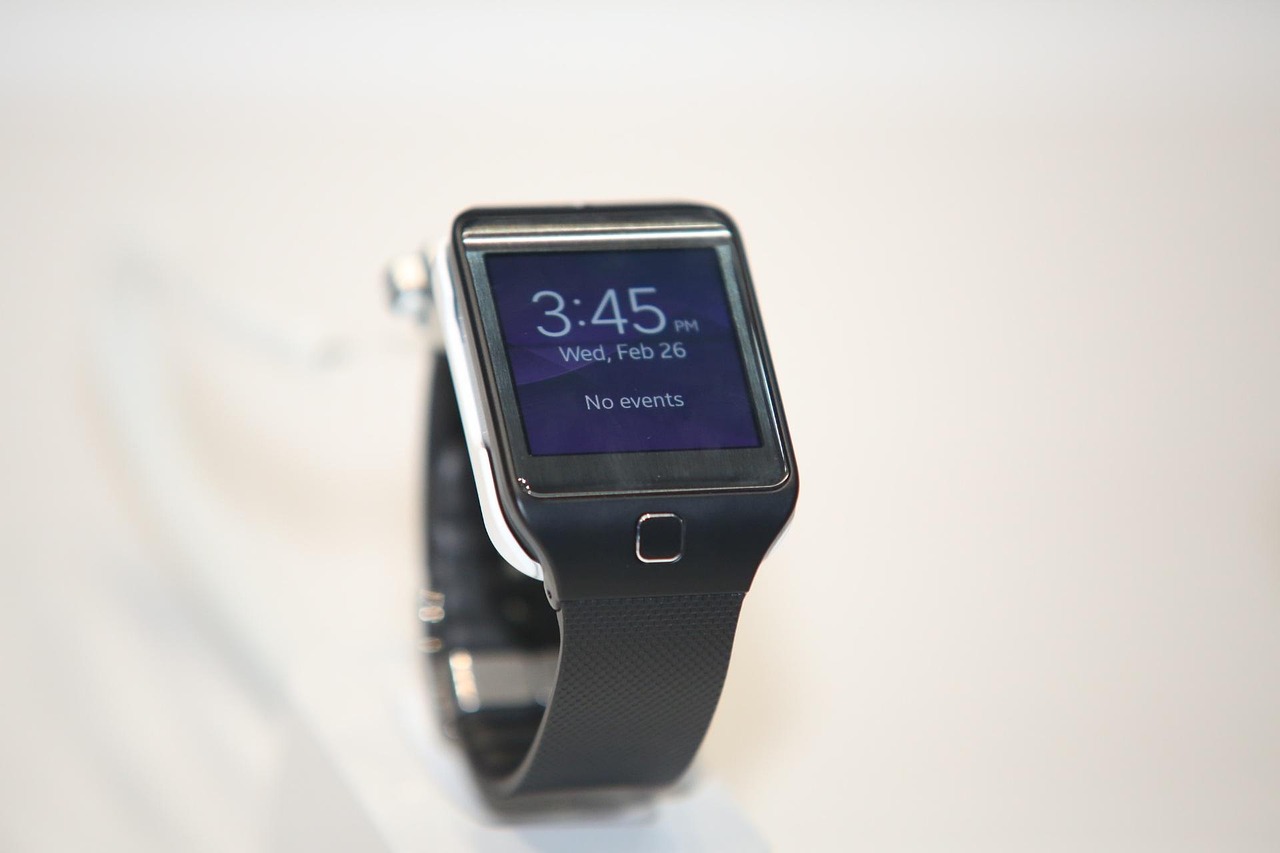

The Evolution of Fitness Wearables: What to Expect in the Next Decade
As technology advances in fitness wearables, we are witnessing a remarkable evolution. The enhancements in tracking functionalities and user interfaces offer exciting possibilities. Fitness enthusiasts and casual users benefit from real-time analytics, promoting greater engagement and commitment to fitness goals. Integrating heart rate monitors, GPS functionalities, and sleep tracking capabilities enhances the user experience. Notably, the rise of artificial intelligence (AI) is poised to propel these wearables into a new era. AI-powered devices can analyze user data to provide personalized recommendations and enhance workout regimes. Customization will be key, allowing wearables to meet specific user needs. Expect to see tailored plans that adapt to performance metrics and personal progress over time. Moreover, community features will emerge, enabling users to connect and compete with friends, fostering motivation and accountability. Ultimately, the future of fitness wearables rests on an intricate balance between technology and user interaction that caters to diverse fitness levels. Companies that prioritize user-centric designs will likely lead the market as these trends evolve in the fitness landscape over the next decade.
Emerging Technologies in Wearables
Recent advancements in technology will drive the next generation of fitness wearables. Wearable devices are transitioning beyond traditional functions to offer increasingly sophisticated features. One significant trend is the incorporation of biometric sensors that provide deeper insights into users’ health metrics. For instance, wearables may soon include sensors for blood glucose monitoring, hydration levels, and even skin temperature. These features can empower users with preventive health measures and improve their performance. Additionally, augmented reality (AR) and virtual reality (VR) technologies will become integral to fitness solutions. Imagine a workout where immersive environments elevate your workout experience, making it engaging and motivating. Not only will users have access to guided workouts, but these can also transport them to virtual locations, increasing their enjoyment. Furthermore, interoperability between devices and platforms will become essential, allowing seamless syncing and data sharing among various applications. As technology continues to innovate, wearable fitness technology will redefine personalized fitness journeys, creating immense value for users aiming to optimize their performance and overall wellness.
The role of data analytics in the fitness industry cannot be overstated. The advent of big data analytics enables wearables to provide actionable insights into user behavior and trends. With the data collected by fitness wearables, developers can analyze patterns to refine their services. For example, users may receive daily activity summaries, optimizing their routines based on comprehensive analysis. Predictive analytics will allow wearables to forecast potential health risks based on lifestyle and activity patterns, prompting users to adjust their routines or seek medical advice. Furthermore, the gamification of fitness through wearables can drive user engagement. Achievements, badges, and challenges can motivate users to reach their fitness goals, fostering a community of like-minded individuals. As wearables begin to connect with more health and well-being apps, users will experience synergistic effects from integrating real-time data into their planning. This interconnectedness enhances the user experience, making fitness routines more streamlined and efficient. The future of analytics in fitness wearables promises to combine convenience with detailed insights, shaping healthier lifestyles and helping users maintain fitness commitments with ease.
The Integration of AI and Machine Learning
Artificial intelligence and machine learning will significantly enhance fitness wearables in various ways. By analyzing user data over time, wearables can create optimized training programs that adjust based on progress and performance levels. For instance, if a user seems to plateau in their fitness goals, the AI can suggest new workouts or recovery strategies to overcome that barrier. Moreover, machine learning algorithms will adapt to users’ preferences, adjusting recommendations based on historical behaviors. These advancements will lead to a more personalized experience that can strongly motivate users. Furthermore, AI can enhance decision-making during workouts; for example, wearables could provide reminders for hydration or nutrition during high-intensity training sessions. Voice activation may also become a standard feature, allowing easy interaction while exercising. This level of personalization brings a coaching experience to everyone, not just elite athletes. As users increasingly rely on these insights, trust in wearable technology will grow, leading to wider adoption across varied demographics. A blend of comfort, usability, and intelligent recommendations will define the future landscape of fitness wearables.
The relationship between fitness wearables and mental health is also set to evolve. Recognizing the importance of mental well-being in fitness, future wearables will track stress levels and emotional health parameters. Insights could help users develop better coping strategies through mindfulness practices via prompts or integrated apps. As more people prioritize holistic health, wearables may incorporate mental wellness features to cater to this trend. Exercises like yoga or meditation could be included in the tracking capabilities, encouraging users to engage in balanced fitness routines. Additionally, community support features may help users connect with others undergoing similar challenges or journeys, allowing them to share experiences, tips, and motivation. This supportive environment fosters a stronger connection to fitness wearables beyond mere tracking devices. It will create a sense of belonging and empowerment for users, centering around their comprehensive health journeys. As mental health awareness continues to grow, investing in such features will likely be key to the sustained success and relevance of fitness wearables in the coming decade.
Sustainability and Ethical Considerations
As the fitness wearable market expands, sustainability and ethical production practices will come to the forefront. Users increasingly prefer products that align with their values, including environmentally friendly materials and fair labor practices. Brands will feel the pressure to adopt sustainable designs, enabling wearables to minimize their ecological footprint. This might entail using recyclable materials or developing energy-efficient products. Furthermore, transparency in the manufacturing process will likely become essential, allowing consumers to make informed decisions regarding the devices they choose. Companies that embrace sustainability can differentiate themselves in a crowded market and foster loyalty among environmentally conscious consumers. In the coming years, it is crucial for brands to innovate not only in the technology space but also in their ethos. A shift toward slow fashion philosophies could influence wearables to prioritize durability and longevity over quick fashion cycles. Furthermore, as users become more mindful about the impact of their purchases, wearables that prioritize ethical considerations will resonate strongly with younger consumers, emphasizing health and well-being in a responsible manner.
Ultimately, collaboration between tech giants and fitness brands will shape future developments in wearables. Innovative partnerships can spur creativity, blending technology and fitness expertise to create superior products. Collaborations between established companies and startups may yield breakthrough ideas, enhancing the functionality of fitness wearables. Such joint efforts can combine design prowess with tech capabilities, resulting in products that truly meet user demands. These partnerships may also accelerate product development, ensuring that consumers have access to cutting-edge technology more quickly than ever. As the industry sees more startups emerging, they can offer unique perspectives and niche products that appeal to specific fitness segments. Furthermore, stakeholders in the healthcare sector might become increasingly interested in fitness wearables to augment patient care. This growing collaboration will pave the way for innovations addressing physical and mental wellness comprehensively. In the next decade, consumers can expect to witness groundbreaking products that power personal fitness journeys, help users achieve their goals, and promote overall health better than previous generations of fitness technology.
Conclusion: The Path Ahead
As we look toward the future of fitness wearables over the next decade, exciting advancements await. The combination of technology, community features, and health-focused functionalities will redefine user experiences. This evolution promises a more holistic approach to health and fitness, catering to the diverse needs of users from various backgrounds. With emerging technologies set to enhance interactivity and personalization, wearables will become indispensable fitness companions. The market will likely see a surge in innovations aimed at integrating wearables with broader health ecosystems, aligning with users’ pursuit of total well-being. Furthermore, the growing focus on mental health will open new avenues for wearable applications, allowing users to balance physical fitness with emotional wellness effectively. Sustainability efforts will reshape product development, encouraging consumers to support brands that prioritize ethical practices. Overall, the next decade will revolutionize fitness wearables, enabling users to connect deeply with their goals and fostering a culture of wellness that resonates broadly. As technology continues to progress, the fitness landscape will expand, creating a healthier future, underpinned by innovative wearable devices that inspire and empower individuals.