
The Environmental Benefits of Senior Hiking Activities
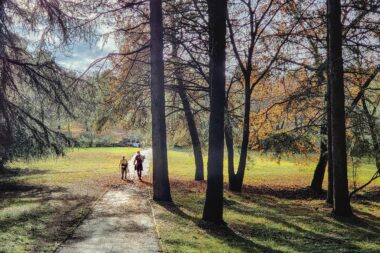
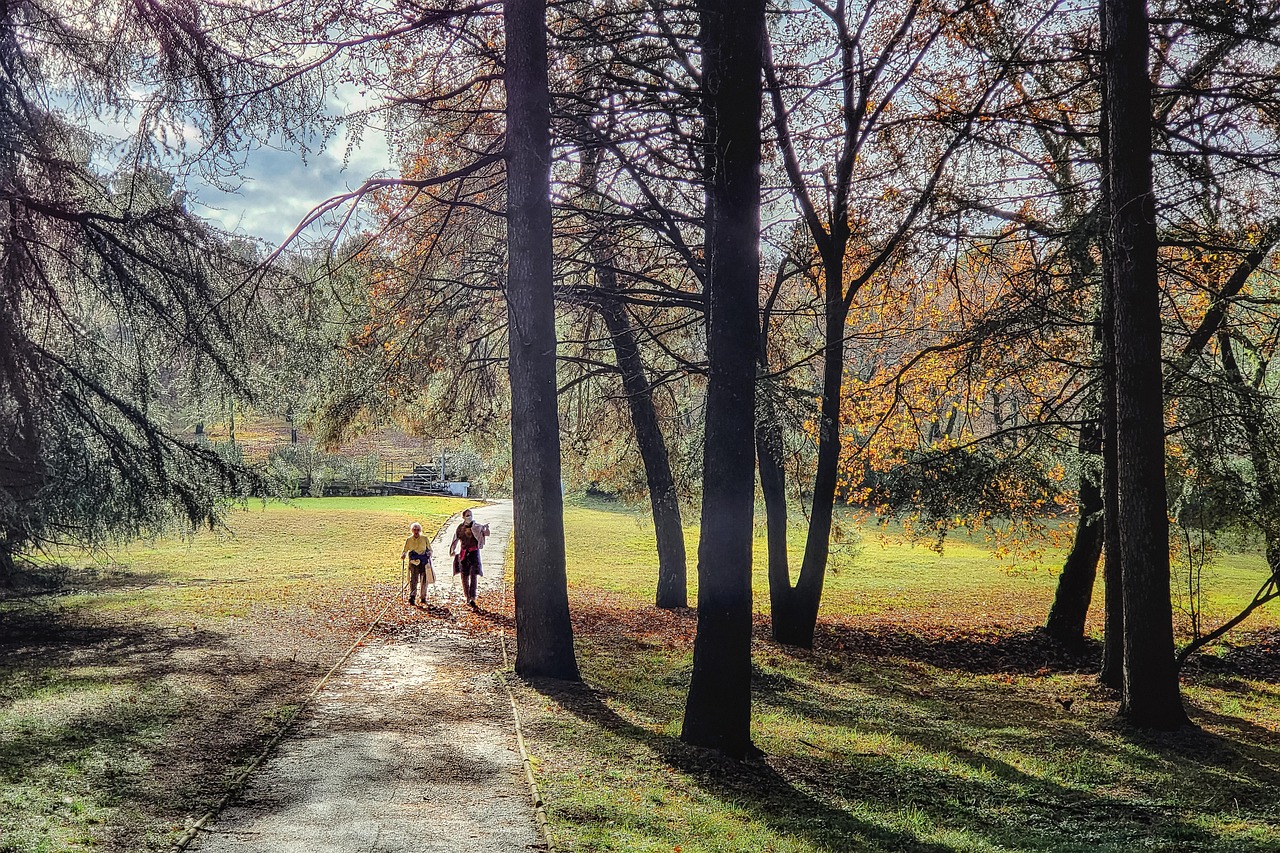
Hiking and nature walks provide numerous environmental benefits, especially for seniors. Engaging in outdoor activities fosters a deeper connection with nature, encouraging appreciation for the environment. Through hiking, seniors can develop an understanding of local ecosystems, flora, and fauna. Observing wildlife in its natural habitat can be profoundly rewarding. Many seniors find that regular hiking allows them to contribute to local conservation efforts, making them feel empowered. It’s also a good opportunity for educating others about the importance of preserving natural habitats. Seniors can participate in guided hikes involving local environmental groups, enhancing their knowledge of the area. Additionally, walking in nature has been shown to reduce stress levels and promote mental well-being. The peace and tranquility of natural settings help to soothe anxiety and improve overall mood. Furthermore, hiking in groups can strengthen social connections with peers, leading to added emotional resilience. Seniors often benefit from the communal aspect of hiking, helping them to stay engaged and active in their communities. This fosters a sustainable lifestyle choice that can inspire younger generations to appreciate outdoor activities as well. Enjoying and preserving natural spaces can be a shared responsibility.
Boosting Biodiversity through Hiking
Senior hiking activities play an essential role in promoting biodiversity and ecosystem health. By exploring various terrains, seniors contribute to the necessary foot traffic that helps to maintain trails. Proper trail usage helps prevent environmental degradation, ensuring that natural vegetation remains intact. This is particularly important as many trails pass through sensitive areas that require careful management. Moreover, when seniors hike, they often choose paths that are less traveled, minimizing damage to frequently visited locations. Hiking can encourage awareness of local environmental issues and awareness. With increased exposure to nature, seniors may become more invested in habitat preservation and species protection. Along the way, they’ll witness firsthand the impact of climate change on local wildlife, making them more likely to engage in conservation efforts actively. Volunteer activities can easily be organized around hiking adventures, allowing seniors to participate in local tree planting or clean-up efforts. Such initiatives further enhance the ecological footprint of senior hikers. By valuing biodiversity, seniors help encourage a future where landscapes remain rich in natural beauty and variety. Fostering an understanding of local ecosystems promotes pride in one’s environment and a commitment to their conservation.
Moreover, hiking activities can enhance community bond. Seniors often form tight-knit groups that regularly hike together. These social connections deepen their appreciation for preserving shared green spaces. These relationships can lead to collaborative engagements with local authorities or conservation organizations. By having their voices heard, seniors can influence policy decisions regarding local environmental conservation efforts. Local parks often benefit from activity-driven engagement, leading to improved infrastructure and amenities. Enhanced trail maintenance and waste management strategies can result from consistent feedback from dedicated senior hikers. Additionally, nature walks provide a unique setting for intergenerational interaction. When families hike together, they create a shared experience that emphasizes the importance of environmental stewardship. Younger generations can learn vital lessons about caring for nature while also appreciating the outdoors. Thus, the opportunity to engage seniors in hiking can extend beyond personal fitness and well-being. Environmental education programs focused on hiking can bolster community awareness and pride. This shared responsibility promotes environmental consciousness, fostering a culture centered on sustaining the natural world. Together, seniors and their families can work toward a cleaner, healthier planet for all residents of their communities, instilling values that last a lifetime and beyond.
Health and Environmental Synergy
Engaging in hiking activities creates a unique synergy between personal health and environmental benefits. Seniors who spend more time outdoors enjoy physical advantages, such as increased cardiovascular fitness and improved muscle strength. Regular outdoor activity fosters longevity, which in turn encourages further involvement in environmental activities. Healthier individuals tend to advocate more for environmental protection, creating a virtuous cycle. When seniors experience the positive effects of outdoor exercise, they are more likely to become enthusiastic about conservation. Many hiking trails pass through ecologically vital areas, providing opportunities for seniors to witness the impact of climate change firsthand. Observing changes in habitats often leads seniors to become advocates for local wildlife. Moreover, exercise in nature can trigger emotional and cognitive benefits. Studies indicate reduced feelings of isolation and enhanced cognitive function among seniors engaged in outdoor activities. Hiking among trees and natural landscapes improves mental clarity, focus, and overall happiness. These positive mental effects reinforce the importance of regular hiking for seniors, inspiring motivation toward maintaining both personal health and environmental quality. Through consistent outdoor engagement, this synergy supports overall well-being, which is a powerful driver for healthier lifestyle choices within the senior community.
Furthermore, by participating in group hikes, seniors can also contribute to local tourism efforts. Many towns and regions rely on the influx of outdoor enthusiasts, and senior hikers are no exception. Their participation can significantly boost local economies by stimulating businesses related to outdoor gear, food, and lodging. Senior-friendly hiking events, such as guided tours or themed walks, attract visitors of all ages, encouraging appreciation for local natural resources. Challenging trails designed specifically for seniors or nature-focused adventures can be marketed to promote this demographic’s hiking activities. Local organizations seeking to boost tourism can collaborate with senior hiking groups to design unique experiences that are beneficial for all. Valuable exchanges between senior visitors and the community can create cultural connections, promoting an appreciation for local history and natural heritage. In an age of rapid urban development, healthy tourism can help ensure that nature is preserved. It encourages community engagement in land management and conservation. Ultimately, the economic impacts of senior hiking are significant, showcasing how investment in community health directly correlates with beneficial environmental outcomes, fostering prosperous partnerships between hikers and local environmental initiatives.
The Long-Term Vision for Sustainable Hiking
To support sustainability, long-term planning for senior hiking activities must consider adaptive management strategies. By involving seniors in the planning process, feedback can shape the development of hiking trails that accommodate their needs, while also addressing environmental concerns. This participatory approach empowers seniors to take ownership of their hiking experiences. With adequate engagement, seniors can advocate for accessible trails and protective measures for nature. Community forums can serve as platforms for dialogue, ensuring that hiking trails meet the expectations of their users while preserving natural habitats. In the long run, thoughtful planning can lead to flourishing ecosystems and balanced human activities. Education initiatives can also enhance this process by integrating responsible hiking practices within senior hiking groups. The distribution of conservation literature alongside trail maps can serve as valuable resources. Stressing the importance of staying on marked routes will help preserve delicate environments. Furthermore, these initiatives can foster both accountability and a supportive environment for education-focused hikes. Sharing knowledge about engaging in responsible practices ensures all hikers leave no trace. This collective effort ultimately benefits the health of local ecosystems, providing a lasting legacy of stewardship among senior hikers.
In conclusion, hiking benefits the environment while promoting the health and well-being of senior participants. Through engaging with local ecosystems, seniors increase awareness about ecological issues and foster community relationships. By forming hiking groups, they can share resources and provide a strong voice for conservation initiatives. The benefits of senior hiking extend far beyond personal gains as participants actively contribute to preserving their natural surroundings. These outdoor activities stimulate interest in nature, encouraging seniors to become better stewards of the environment. As advocacy efforts intensify, local communities witness profound changes driven by passionate seniors dedicated to ensuring the viability of diverse ecosystems. It highlights the necessity of cultivating a culture centered around health, community, and environmental preservation. Local governments can capitalize on this opportunity by investing in suitable facilities for senior hikers while promoting inclusive programming. With these efforts in place, hiking can become an enduring source of personal growth and environmental awareness for seniors. As more seniors engage in these crucial activities, they will continue making meaningful contributions toward a more sustainable future. Hiking not only enhances their quality of life but also enriches the world around them.