
Hydration Guidelines for Team Sports Athletes
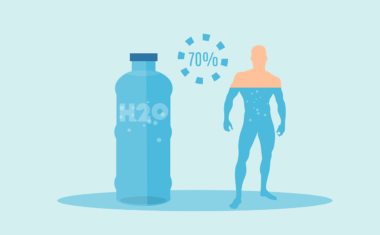
Hydration is crucial for athletes, especially in team sports where performance can significantly hinge on hydration status. It’s essential for regulating body temperature, maintaining cardiovascular function, and optimizing muscle performance. Athletes often overlook hydration strategies, focusing instead on training and game tactics. However, the right hydration can dramatically enhance endurance and physical performance. Hydration encompasses fluid intake before, during, and after exercise; each phase is vital. Pre-hydration helps to prepare the athlete’s body, while maintaining hydration during sports is essential to combat fluid loss through sweat. Athletes should be aware of their sweat rates to tailor hydration needs effectively. A general guideline suggests athletes drink about 500 milliliters of water two hours before exercise, with continuous intake during the event. Post-exercise hydration should replace lost fluids, with recommendations of 1.5 liters of fluid for every kilogram of body weight lost during the game. This strategy supports recovery and prepares the athlete for the next training session or game, ensuring they remain in peak condition. Optimal hydration is a practice worth prioritizing for any serious athlete engaged in competitive team sports.
In addition to water, athletes can benefit from electrolyte beverages. During intense physical activity, electrolytes like sodium and potassium are lost through sweat, which can lead to dehydration and hinder performance. Sports drinks are designed to replenish these lost electrolytes and provide additional carbohydrates for energy. The right balance of fluids and electrolytes can help maintain performance levels and accelerate recovery. For activities lasting longer than an hour, electrolyte drinks are generally recommended. However, the choice of these drinks needs to be assessed based on their sugar and sodium content. Careful consideration of the timing and type of hydration strategies allows athletes to meet their individual needs during competition. Research indicates that both hydration volume and composition should be tailored to the athlete’s unique physiology and performance level. Coaches and trainers should actively educate athletes about the importance of fluid intake. Monitoring urine color can serve as a simple method for athletes to determine hydration status. Dark yellow indicates dehydration, while a pale yellow suggests proper hydration. Understanding these hydration principles lays the foundation for athletic success and longevity in team sports.
The Role of Hydration in Performance
Hydration plays an integral role in optimizing athletic performance. When athletes are adequately hydrated, they can sustain higher intensities for longer durations. Conversely, when dehydration occurs, it can lead to increased heart rates, elevated body temperature, and decreased concentration. The negative effects on performance can be substantial, potentially resulting in decreased coordination and risky mistakes during gameplay. For team sports, where quick decisions and sharp movements are critical, optimal hydration becomes even more essential. Monitoring hydration levels before and after training sessions is key to understanding personal hydration needs. Fluid consumption should begin well in advance of exercise, ideally 24 hours prior, to ensure proper levels are maintained. Each athlete has a unique response to fluid needs based on individual physiology, environmental conditions, and exercise intensity. Therefore, hydration plans should be personalized and can be guided by sports nutritionists or other professionals. Furthermore, awareness of hydration practices during training can help facilitate better choices during competitions. Establishing these habits can prevent dehydration-related issues and enhance overall athletic performance during team sports.
Furthermore, hydration strategies can vary greatly depending on environmental conditions. In hot and humid climates, rates of fluid loss can increase, requiring adjustments in hydration plans. Athletes must anticipate higher sweat losses and adapt their ingestion rates accordingly. During warm weather, it’s particularly crucial to hydrate not just during games but also throughout the day before competition. Adjustments to fluid intake based on training intensity and duration should be routine. Athletes should also be mindful of their body weight before and after workouts to identify fluid loss and guide appropriate rehydration strategies. Conducting pre- and post-exercise weigh-ins offers athletes insight into how much fluid they may need to consume. Additionally, understanding individual sweat rates can help determine how much fluid to take in before or during practices and games. Utilizing technology can assist in tracking hydration levels and analyzing data to improve fluid intake approaches. Adapting hydration protocols based on the team sport involved and specific athlete needs will lead to more well-rounded hydration practices that support performance and health. Establishing these habits leads to athlete longevity and a commitment to excellence.
Importance of Individual Hydration Plans
Every athlete is unique, and hydration strategies should reflect that individuality. By assessing factors such as age, weight, sex, metabolic rate, and environmental conditions, athletes can develop personalized hydration plans. These plans should account for individual sweat rates, preferences, and any health concerns that may influence hydration needs. For instance, athletes participating in contact sports may experience different hydration losses compared to those in endurance-based activities. Additionally, team dynamics should also be considered; athletes should have access to hydration resources throughout their practices and games. Coaches play a vital role in creating an environment that promotes consistent hydration. Regular reminders and access to fluids can encourage healthier hydration habits amongst team members. It is vital that hydration education is part of athlete’s training, emphasizing understanding the signs of dehydration to take proactive steps. Staying hydrated is not merely relegated to game day; it requires commitment to a consistent hydration routine. Building a culture where hydration is prioritized reflects a team’s overall dedication to performance and athlete welfare. These preparation methods can yield significant advantages during critical game moments when each decision and action counts.
Post-exercise recovery is equally critical to the hydration conversation. Athletes need to rehydrate effectively after training sessions and competitions to restore fluid balance and enhance the recovery process. Incorporating hydration immediately after exercise can improve recovery times and reduce muscle soreness. A mix of water and electrolytes is ideal for post-exercise rehydration, replenishing lost fluids while also restoring important nutrients to the body. Consuming fluids within 30 minutes following exercise is optimal, as the body is primed for nutrient absorption. This also aids in restoring glycogen levels before the next training. Strategies that combine both hydration and nutritional elements encourage a comprehensive recovery process. Nutritionists and trainers can assist athletes in choosing suitable recovery beverages, making hydration post-exercise enjoyable and efficient. Furthermore, athletes should pay close attention to their body’s signals related to thirst and recovery needs. Hydration should never be an afterthought; it should be an integral part of daily training regimens. By recognizing the importance of hydration in recovery, athletes can foster a more sustainable approach towards long-term training, leading to continued success.
Best Practices for Hydration in Team Sports
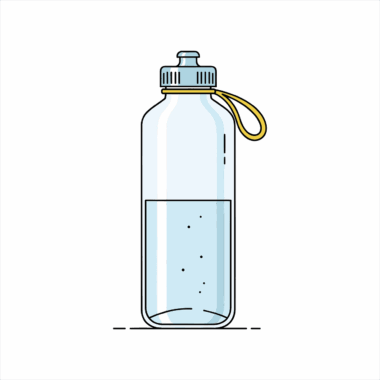
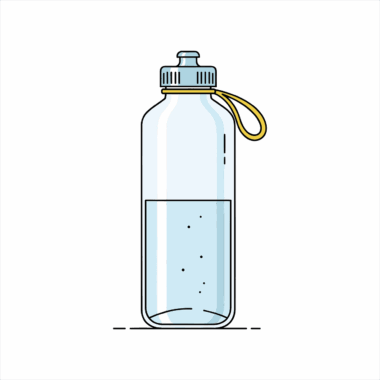
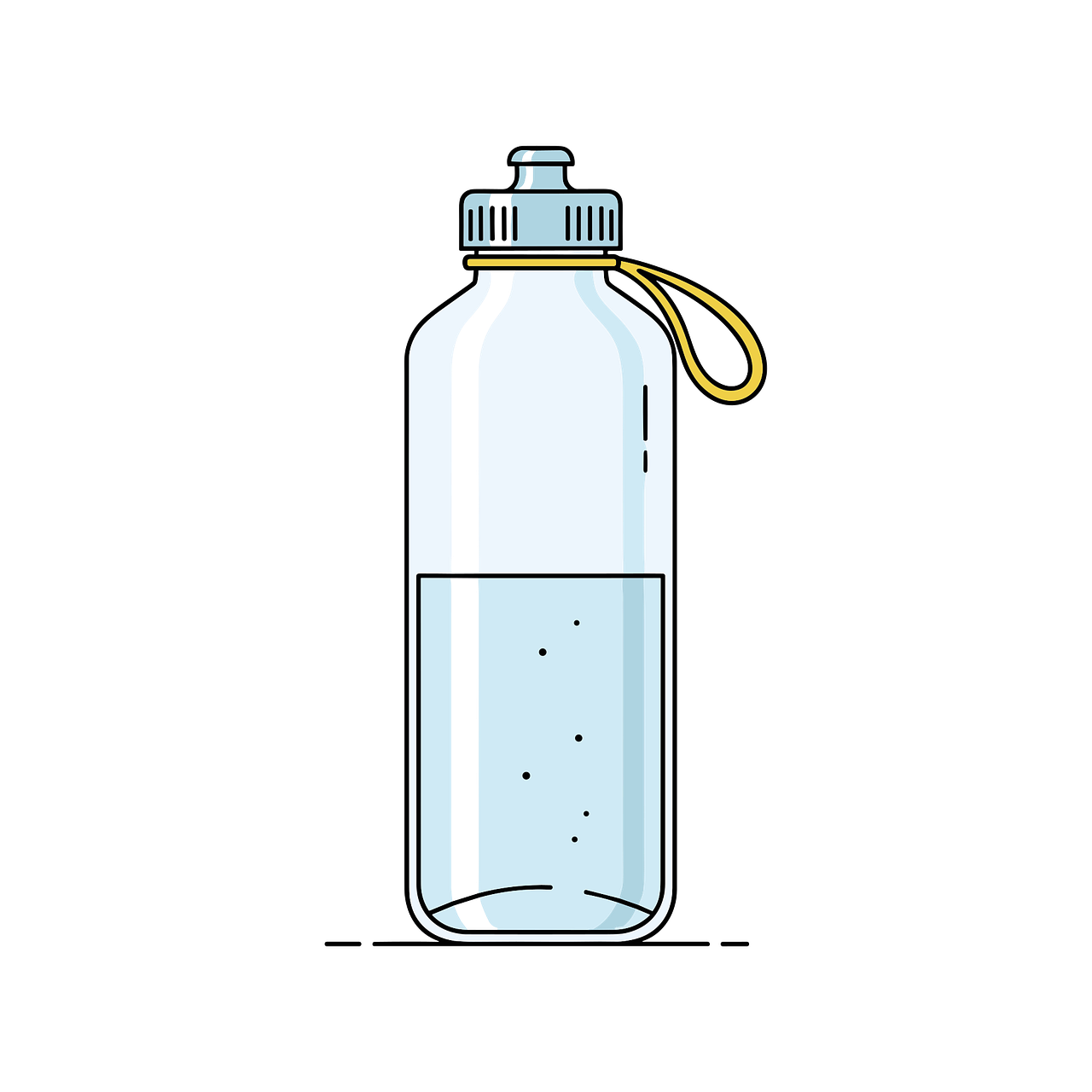
To conclude, athletes involved in team sports should adhere to specific best practices concerning hydration. Implementing a consistent hydration routine before, during, and after participation is key. Coaches can play a significant role in promoting these practices. Encouraging athletes to regularly drink from personal water bottles or team hydration stations can help normalize fluid intake. Additionally, teams should prioritize hydration education. Athletes must understand the significance comprehensive hydration plays in overall performance and health management. Tracking hydration levels not only promotes accountability but heightens awareness. Digital tracking and apps can provide an engaging way for athletes to monitor their hydration needs. Beyond tracking, numerous strategies can make hydration enjoyable; infusing water with fruits or herbs can entice reluctant drinkers, while offering varied electrolyte drinks can cater to taste preferences. By integrating hydration education into practice sessions, athletes can learn practical methods to help them during demanding conditions. Establishing these best practices creates an environment supportive of healthy habits, facilitating improved performance, and minimizing risk of dehydration-related issues. For optimal performance, embracing these hydration principles is essential for every athlete involved in team sports.
By prioritizing hydration, team sports athletes can enhance performance outcomes and overall physical well-being. Hydration isn’t just a game-day focus; it extends with the entire training regimen, consistently affecting performance. Athletes must stay alert to their hydration state throughout their training and in competitions. The conclusion is simple: proper hydration leads to superior performance. Embracing these hydration principles creates a culture of health and athletic excellence.